





Hey there! As a coco glycoside supplier, I often get asked whether coco glycoside can be used in paint additives. Well, let's dig into this topic and find out!
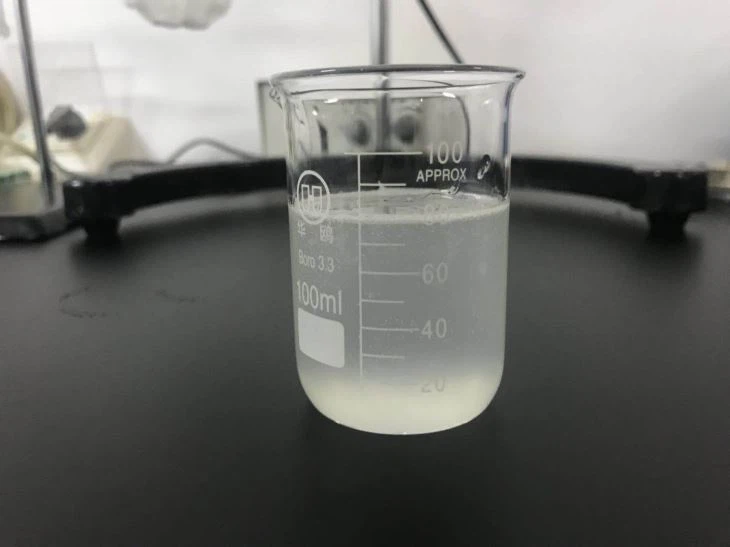
First off, what the heck is coco glycoside? Coco glycoside, also known as APG 0814/coco Glucoside/CAS:141464-42-8, is a type of non - ionic surfactant. It's derived from renewable raw materials like coconut oil and glucose, which makes it an environmentally friendly option. It has a bunch of great properties such as being biodegradable, having low toxicity, and being gentle on the skin. These features have made it popular in the personal care industry, but what about the paint industry?
Let's talk about the functions of paint additives. Paint additives are substances added to paint in small amounts to improve its performance. They can do things like enhancing the dispersion of pigments, improving the stability of the paint during storage, reducing the surface tension of the paint to make it spread more easily, and preventing the growth of mold and bacteria.
One of the key aspects where coco glycoside could potentially shine is in its ability to reduce surface tension. Surface tension is a big deal in paint application. If the surface tension of the paint is too high, it won't spread evenly on the surface, leading to uneven coverage and poor finish. Coco glycoside, being a surfactant, can effectively lower the surface tension of the paint. This allows the paint to flow more smoothly and cover the surface uniformly. For example, when you're painting a wall, a paint with a lower surface tension will go on more easily, reducing the number of brush strokes or roller marks.
Another important function of paint additives is pigment dispersion. Pigments need to be evenly dispersed in the paint to ensure consistent color and appearance. Coco glycoside has excellent emulsifying and dispersing properties. It can surround the pigment particles and keep them separated from each other, preventing them from clumping together. This results in a more homogeneous paint mixture, which means that the color will be more consistent across the painted surface.
Now, let's look at the environmental aspect. In today's world, there's a growing demand for eco - friendly products, and the paint industry is no exception. Since coco glycoside is made from renewable resources and is biodegradable, it fits well into the trend of sustainable paint production. Many paint manufacturers are looking for ways to reduce their environmental impact, and using coco glycoside as an additive could be a step in the right direction.
However, it's not all sunshine and rainbows. There are also some challenges when using coco glycoside in paint additives. One of the main concerns is its compatibility with other components in the paint. Paint is a complex mixture of resins, solvents, pigments, and other additives. Coco glycoside may react with some of these components, which could potentially affect the stability and performance of the paint. For instance, it might interact with certain resins and cause the paint to thicken or change its viscosity over time.
Another issue is the cost. Compared to some traditional paint additives, coco glycoside can be a bit more expensive. This is mainly due to the raw materials and the production process. Paint manufacturers are always looking for cost - effective solutions, so the higher cost of coco glycoside could be a deterrent. But as the demand for sustainable products increases and the production technology improves, we might see the cost come down in the future.
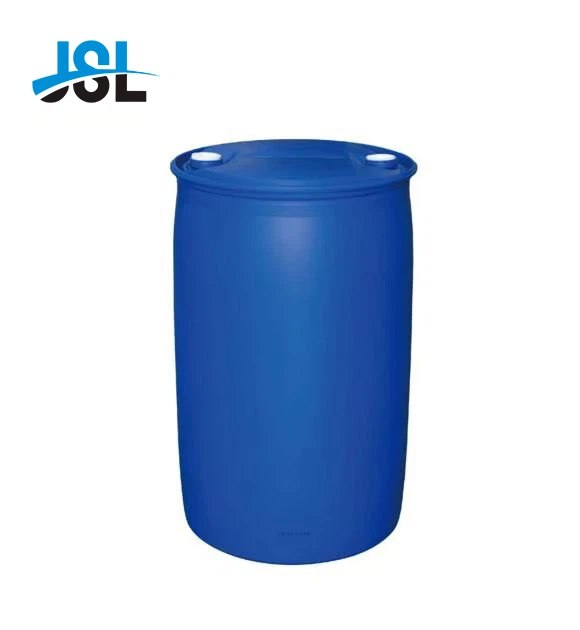
Let's take a look at Decyl Glucoside APG 2000UP, which is a type of coco glycoside product. It has similar properties to coco glycoside but might have some specific features that make it more suitable for paint applications. For example, it could have a better balance between reducing surface tension and maintaining the stability of the paint. It's always a good idea to test different products to see which one works best for a particular paint formulation.
In terms of the stability of paint during storage, coco glycoside could also play a role. A stable paint should not separate or form lumps during storage. The emulsifying and dispersing properties of coco glycoside can help keep the different components of the paint mixed together. This means that when you open a can of paint that has been sitting on the shelf for a while, it will still be in a usable state.
Some paint applications require anti - foaming properties. Foaming can be a real problem during paint production and application. Too much foam can lead to air bubbles in the paint film, which affects the appearance and durability of the paint. Coco glycoside has some anti - foaming capabilities. It can break down the foam bubbles by reducing the surface tension at the gas - liquid interface. However, its anti - foaming effect might not be as strong as some dedicated anti - foaming agents. So, in some cases, it might need to be used in combination with other anti - foaming additives.
Now, let's consider the long - term performance of paint with coco glycoside as an additive. Over time, paint is exposed to various environmental factors such as sunlight, humidity, and temperature changes. A good paint should maintain its color, adhesion, and durability. While coco glycoside itself is relatively stable under normal conditions, its impact on the long - term performance of the paint needs further research. For example, we need to study whether it will cause the paint to degrade faster or have any negative effects on the adhesion of the paint to the surface.
In conclusion, coco glycoside has a lot of potential as a paint additive. Its ability to reduce surface tension, disperse pigments, and its environmental friendliness make it an attractive option. However, there are still some challenges to overcome, such as compatibility issues, cost, and the need to optimize its performance in different paint formulations.
If you're a paint manufacturer or someone interested in exploring the use of coco glycoside in your paint products, I'd love to have a chat with you. We can discuss the specific needs of your paint formulations and see how our Decyl Glucoside APG 2000UP and other coco glycoside products can fit into the picture. I believe that with further research and development, coco glycoside could become a valuable addition to the paint additive market.
References:
- Surfactant Science and Technology, Third Edition by Warren R. Arshady
- Handbook of Paint and Coating Raw Materials by Ulrich Zorll