
Jeslyee Chemicals: A One-Stop Alkyl Polyglucoside Supplier
Renowned for its good reputation, our company has served dozens of customers globally and has emerged as a leading firm in the chemicals and ingredients sector, with a focus on the surfactant industry.
Why choose us?
Stable Supply
As a professional chemical company, we possess our own laboratories and factories, ensuring a consistent supply and stable quality. Our product range includes alkyl polyglucosides such as APG 0810, APG 0814, APG 1214, lipid layer enhancers, lauryl glucoside, among others.
One-Stop Service
Our philosophy is to marry high-quality products with competitive pricing, striving to fulfill chemical needs through comprehensive order services and technical support. We offer advice, solutions, product samples, and any necessary documentation, ensuring you have a dependable partner in the surfactant sector.
Rich Market Experience
Our APG products have been exported to numerous countries and regions, including the United States, Canada, Mexico, Malaysia, Vietnam, the United Arab Emirates, Russia, and Uzbekistan. Our sales team is both experienced and knowledgeable, capable of supporting customers in any region.
Professional Team
We have a team of experts who recommend products based on customer needs. Additionally, every order is fulfilled within the specified deadline, and our professional logistics team provides shipment details according to the order. We have also established a dedicated customer service team to follow up on product feedback.

APG 0810H70DK/Decyl Glucoside/CAS:68515-73-1/225DK
APG 0810H70DK/decyl glucoside/CAS:68515-73-1 Chemical description alkyl polyglucoside C8-C10 Labeling information INCI name: decyl glucoside CAS-No.: 68515-73-1

APG 0810H70/Decyl Glucoside/CAS:68515-73-1
APG 0810H70/decyl glucoside/CAS:68515-73-1 Chemical description alkyl (C8-C10) polyglycoside Labeling information INCI name: decyl glucoside CAS-No.: 68515-73-1

APG 0814/Coco Glucoside/CAS:141464-42-8
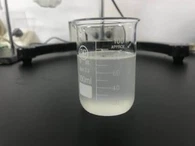
APG 0814/coco glucoside/CAS:141464-42-8 Chemical description Aqueous solution of alkyl polyglucosides based on a fatty alcohol C8 - C14

APG 0810H60/220/Decyl Glucoside/CAS:68515-73-1
APG 0810H60/decyl glucoside/CAS:68515-73-1 Chemical description Aqueous solution of alkyl polyglycosides based on a fatty alcohol C8 - C10

APG 0810H65/Decyl Glucoside/CAS:68515-73-1
APG 0810H65/decyl glucoside/CAS:68515-73-1 Chemical description alkyl polyglucoside C8 - C10 Labeling information INCI name:decyl glucoside CAS-No.:68515-73-1

APG 0810/Decyl Glucoside/CAS:68515-73-1
APG 0810/decyl glucoside/CAS:68515-73-1 Chemical description Alkyl(C8-C10) Polyglucoside Labeling information INCI name: decyl glucoside CAS-No.: 68515-73-1

APG 1214 (APG1200UP) Chemical description C12 - C16 fatty alcohol glucoside Labeling information INCI name: Lauryl Glucoside CAS-No.: 110615-47-9 Product properties Appearance: slightly cloudy and viscous liquid Physical properties: Solid Content(%) 50.0-52.0 Water (wt %) 48.0-50.0 pH...
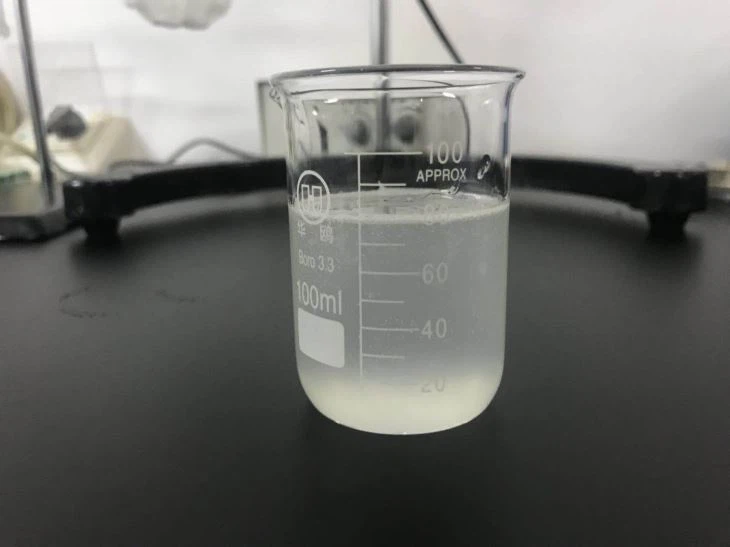
Caprylyl/Decyl Glucoside APG215 CS UP
APG 0810H65 (APG 215 CS UP) Chemical description Aqueous solution of alkyl polyglucosides based on a fatty alcohol C8 - C10 Labeling information INCI name: Caprylyl/Decyl Glucoside CAS-No.: 68515-73-1 Synonyms: Decyl Glucoside Product properties Appearance Light yellow viscous...
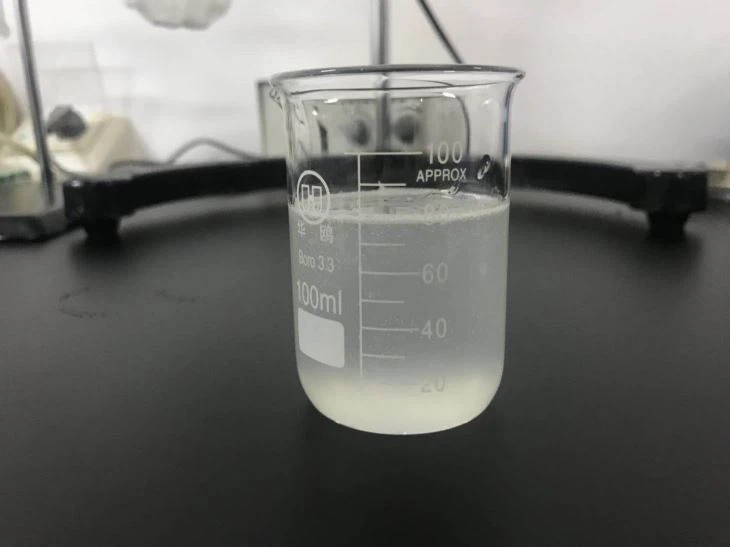
Caprylyl/Decyl Glucoside APG 8170
APG 0810H70 Chemical description Aqueous solution of alkyl polyglucosides based on a fatty alcohol C8 - C10 Labeling information INCI name: Capryl Glucoside CAS-No.: 68515-73-1 Synonyms: Decyl Glucoside Product properties Appearance light yellow liquid Physical properties Solid...
Product Type & Function Effects of Coco Glucoside
Coco Glucoside must be added to formulations in their surfactant or water phases. The recommended maximum usage amount is 45%.
|
PRODUCT TYPE & FUNCTION |
EFFECTS |
|
When added to these kinds of formulations… Face Wash Cleansing Milk Acne Treatments Baby Products
|
Coco Glucoside functions as a(n): Moisturizer Conditioner Thickener Co-emulsifier Emollient Softener Cleanser Foaming agent
It helps to: Emulsify formulations and increase their viscosity, which contributes a creamier texture Lift and remove dirt Soothe and condition the skin Help the skin retain water Hydrate and soften the skin to reduce irritation, cracking, and peeling Contribute foaming properties
The recommended maximum dosages are: Face Wash/Cleansing Milk/Acne Treatments: 10%-25% Shower Gel: 15%-30% Bubble Bath: 15%-30% Baby Products: 15%-25%
|
|
When added to these kinds of formulations… Shampoo Body Scrub Liquid Soap |
Coco Glucoside functions as a(n): Moisturizer Conditioner Thickener Co-emulsifier Emollient Softener Cleanser Foaming agent
It helps to: Emulsify formulations Increase product viscosity and contribute a creamier texture Hydrate the hair and scalp to protect against dryness Smoothe hair and prevent frizz Increase viscosity of product Reduce tangling Contribute foaming properties
The recommended maximum dosage is 15%-45% |
What is COCO-GLUCOSIDE used for?
Coco-Glucoside is a versatile ingredient with numerous uses in the cosmetic industry. It is suitable for all skin and hair types and can be found in various products, including moisturizers, cleansers, and scrubs.
Skin Care: As a gentle cleansing agent, Coco-Glucoside delivers the moisturizing benefits of coconuts to the skin. It acts as a deeply nourishing emulsifying agent that hydrates the skin and locks in moisture for an extended period. Additionally, it helps prevent the skin from drying out by imparting hydrating properties to the products.
Hair Care: For those with dry and frizzy hair, Coco-Glucoside is excellent as it conditions deeply, leaving hair nourished. This ingredient aids in detangling hair and softening the shafts. Furthermore, Coco-Glucoside serves as an effective surfactant, reducing tension in formulations.
|
What is it? |
Coco Glucoside is a gentle non-ionic surfactant made from coconut oil and sugar. |
|
INCI |
Coco Glucoside |
|
Appearance |
Semi-viscous yellowish liquid |
|
Usage rate |
The CIR has not noted a maximum usage rate. Let the desired total active surfactant matter of your end product be your guide. |
|
Texture |
Slippery, detergenty |
|
Scent |
Characteristically detergenty |
|
Active Surfactant Matter |
55% |
|
pH |
11.5–12.5 |
|
Charge |
Non-ionic |
|
Solubility |
Water |
Is Coco-Glucoside Natural?
Coco-Glucoside is recognized as a completely natural surfactant commonly used in numerous skincare and haircare products. It is biodegradable, derived from coconut oil and glucose, which in turn are sourced from fruits, corn, wheat, potato, and other natural products.
This natural surfactant is considered environmentally friendly because its manufacturing process solely involves natural and renewable resources. Furthermore, no toxic substances are produced as by-products or residues during the manufacturing process. The resulting surfactant is very mild and is known to gently condition the skin and hair, leaving them soft and smooth. Thanks to its exceptional mildness, Coco-Glucoside is widely used in a variety of baby bath products.
Applications of Coco Glucoside
What Are The Skin Benefits Of Coco Glucoside
It is a surfactant with a balanced combination of foam volume and dermatological properties:
1.Extremely mild surfactant
2.Excellent skin and hair compatibility
3.Outstanding foam behavior and height
4.Intensive and gentle cleansing
5.Made from renewable materials
6.Biodegradable (good for ecology)
7.Suitable for all skin types
Benefits Of Coco-Glucoside In Hair Care Products
Efficient Cleaning Power
Coco-Glucoside, a gentle surfactant, features a hydrophilic glucose unit and a lipophilic coconut oil alkyl (CO) group. This unique structure reduces water-oil interfacial tension, forming stable emulsions. In hair care, it efficiently removes excess oils and dirt without stripping natural oils, keeping the scalp healthy. Compared to traditional surfactants, Coco-Glucoside offers stronger cleaning power with more gentleness to the scalp and hair.
Enhanced Foam Stability
Coco-Glucoside excels in foam formation, producing rich, fine, and stable bubbles. These bubbles are easy to rinse and reduce friction during cleaning, protecting hair from damage. Shampoos containing Coco-Glucoside have about 30% higher foam persistence and stability than regular shampoos, enhancing user experience.
Improved Hair Texture
Due to its moisturizing properties, Coco-Glucoside helps hair retain moisture, preventing dryness and frizz. After using Coco-Glucoside hair products, hair's shine and smoothness significantly improve. Data shows that after four weeks of using Coco-Glucoside conditioner, participants experienced a 25% increase in hair shine and a 20% improvement in smoothness.
Environmental and Sustainability Benefits
Derived from natural glucose and coconut alcohol, Coco-Glucoside is biodegradable and eco-friendly. Its wide availability and strong renewability support sustainability goals. Using Coco-Glucoside instead of traditional synthetic surfactants can reduce carbon emissions by about 40%.
High Safety
Toxicological tests confirm Coco-Glucoside as safe and non-irritating with a high LD50 value, ensuring safety for users. For those with sensitive skin or scalp, this is crucial. Clinical studies show that hair care products containing Coco-Glucoside reduce the incidence of allergic reactions by about 50%, proving its high safety.
Coco-Glucoside: A Natural and Eco-Friendly Ingredient
Natural Origin
The ingredients used to produce Coco-Glucoside are both renewable and natural.
Coconut Oil
Coconut oil, extracted from coconuts, contains fatty acids that serve as the hydrophobic (water-repellent) component of the Coco-Glucoside molecule.
Glucose
Glucose, a simple sugar molecule derived from plants like corn, contributes to the hydrophilic (water-attracting) component of Coco-Glucoside.
COCO GLUCOSIDE Eco-Friendly Properties
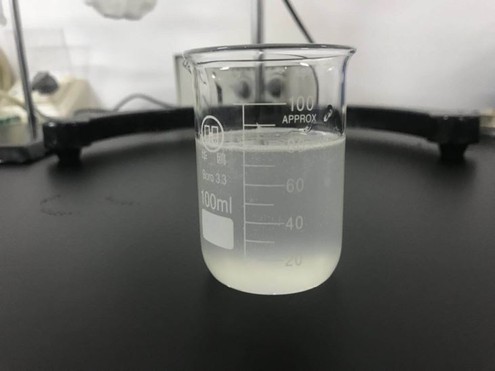
Biodegradability
The biodegradability of Coco-Glucoside is one of its most important eco-friendly characteristics. Environmental microbes break down Coco-Glucoside into its natural components-fatty acids, carbohydrates, and water-after use. In contrast, some synthetic surfactants can persist in the environment and cause pollution.
Renewable Source
Coconut oil, a crucial component of Coco-Glucoside, is derived from coconuts, which are renewable and sustainable resources. This reduces our reliance on non-renewable petrochemical sources, often used in the manufacture of synthetic surfactants.

Low Environmental Impact
Because of its biodegradability and compatibility with aquatic ecosystems, Coco-Glucoside has a smaller environmental footprint than non-biodegradable surfactants, which can accumulate in water bodies.
How Coco-Glucoside Transforms Your Haircare Routine
Coco-Glucoside is a natural surfactant derived from coconut oil and glucose, which can completely transform your haircare routine. It plays a vital role in enhancing overall hair health, whether you're seeking gentle cleansing, eco-friendly options, or looking to improve your hair's condition. Here's how it can revolutionize your haircare routine:
Gentle Cleansing: Coco-Glucoside's gentle cleaning properties make it an excellent choice for people with sensitive scalps or easily irritated hair. Unlike harsher cleaners that can strip away natural oils, Coco-Glucoside effectively removes dirt, oil, and styling products while maintaining the natural moisture balance of the hair. This results in clean, revitalized hair that is free from dryness and irritation.
Sulfate-Free Cleansing: Many conventional shampoos contain sulfates, which are effective cleaners but can be irritating to the scalp and hair. Coco-Glucoside is a sulfate-free cleansing agent that is gentle yet effective. It produces a soft lather that cleanses without compromising the natural oils of the hair, leading to healthier-looking and more manageable hair.
Suitable for All Hair Types: Due to its versatility, Coco-Glucoside works well with various hair types, including straight, wavy, curly, and coily hair. Its mild formula will not weigh down fine hair or disrupt the natural curl pattern of textured hair.
Supporting Natural and Organic Haircare: If you prefer natural and organic haircare, Coco-Glucoside is a common ingredient in these formulations. Its plant-derived origin aligns with natural beauty philosophies, and its effectiveness in cleansing and maintaining hair health makes it a staple in these types of products.
Incorporating Coco-Glucoside: Look for haircare products that list Coco-Glucoside as a primary ingredient. This includes shampoos, conditioners, and even styling products. Follow the instructions on the product packaging and customize your haircare routine to suit your hair type and specific needs.
Our Factory
At Jeslyee Chemicals, our staff is committed to excellence in all aspects of our business. Our sales associates are experienced and knowledgeable, providing support to all our clients. Technical service is a key component for the continuous growth of Jeslyee Chemicals. We can offer suggestions, solutions, product samples, as well as any required documents, and you will find a reliable partner in the surfactants field. Our values include dedicating ourselves to our clients' success and innovation through thoughtful practices and building long-term relationships with suppliers and customers.
FAQ
Q: What are the benefits of Coco glucoside?
Q: What are the benefits of Glucoside?
Q: Is Coco Glucoside good for your face?
Q: What is a substitute for Coco glucoside?
We tend to prefer Caprylyl/Capryl Glucoside in any recipe that calls for coco glucoside.
Q: What are the benefits of Coco on skin?
Q: What are the side effects of Coco glucoside?
Q: Is Coco glucoside a foam booster?
Q: Is Coco glucoside drying?
Q: Which is better Decyl Glucoside or coco glucoside?
Q: Which surfactant is most toxic?
Q: Is decyl glucoside safe for kids?
Q: What is the other name for Caprylyl Capryl glucoside?
Caprylyl/Capryl Glucoside (INCI) D-Glucopyranose, Oligomeric, Decyl, Octyl Glycoside.
Q: What is an alternative to caprylyl capryl glucoside?
Q: What does alkyl polyglucoside do in cleaning products?
Q: Is Alkyl polyglucoside(APG) safe?
Q: What is the purpose of alkyl polyglucosides?
Q: Are alkyl polyglucosides toxic?
Q: What is the process of alkyl polyglucosides production?
Q: What is an example of an alkyl polyglucoside?
Q: Is Decyl Glucoside natural or synthetic?
Hot Tags: apg 0814/coco glucoside/cas:141464-42-8, China apg 0814/coco glucoside/cas:141464-42-8 manufacturers, suppliers, factory, 141464 42 8, APG 0814, alkyl polyglycoside, APG 0810