



In the world of commerce and science, the number 68515 73 1 might seem like a random string of digits. However, for those in the chemical industry, it holds significant meaning as it represents the CAS (Chemical Abstracts Service) number for a specific chemical compound. In this blog, we'll explore this compound, its applications, and debunk the idea of any astrological implications associated with it. As a supplier of products related to this CAS number, I aim to provide a comprehensive and scientific overview.
Understanding CAS 68515 - 73 - 1
CAS 68515 - 73 - 1 corresponds to decyl glucoside, which is a type of alkyl polyglucoside (APG). Alkyl polyglucosides are non - ionic surfactants derived from renewable raw materials such as fatty alcohols and glucose. They are known for their excellent surface - active properties, biodegradability, and low toxicity, making them a popular choice in various industries.
Chemical Properties
Decyl glucoside has a hydrophilic (water - loving) glucose head and a hydrophobic (oil - loving) decyl tail. This unique structure allows it to reduce the surface tension between two immiscible substances, such as oil and water. It can form micelles in solution, which are essential for emulsification, detergency, and foaming.
Applications
Personal Care Products
In the personal care industry, decyl glucoside is widely used in shampoos, body washes, facial cleansers, and baby products. Its mildness makes it suitable for sensitive skin, and it can effectively remove dirt, oil, and impurities without causing irritation. For example, it can be found in gentle baby shampoos, where the safety of the product is of utmost importance.
Household Cleaning Products
Decyl glucoside is also a key ingredient in household cleaning agents. It can be used in dishwashing liquids, laundry detergents, and all - purpose cleaners. Its biodegradability means that it is an environmentally friendly alternative to traditional surfactants. When used in dishwashing liquids, it can quickly break down grease and leave dishes clean without leaving behind harmful residues.
Industrial Applications
In industrial settings, decyl glucoside can be used in metal cleaning, textile processing, and agricultural formulations. In metal cleaning, it can remove oil and dirt from metal surfaces, preparing them for further processing. In textile processing, it can improve the wetting and dyeing properties of fabrics.
Exploring Our Product Range
As a supplier, we offer a variety of products related to CAS 68515 - 73 - 1.
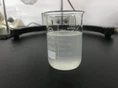
Caprylyl/Decyl Glucoside APG215 CS UP is one of our high - quality products. It is a blend of caprylyl and decyl glucoside, which offers enhanced performance in terms of foaming and emulsification. This product is suitable for a wide range of applications in the personal care and household cleaning industries.
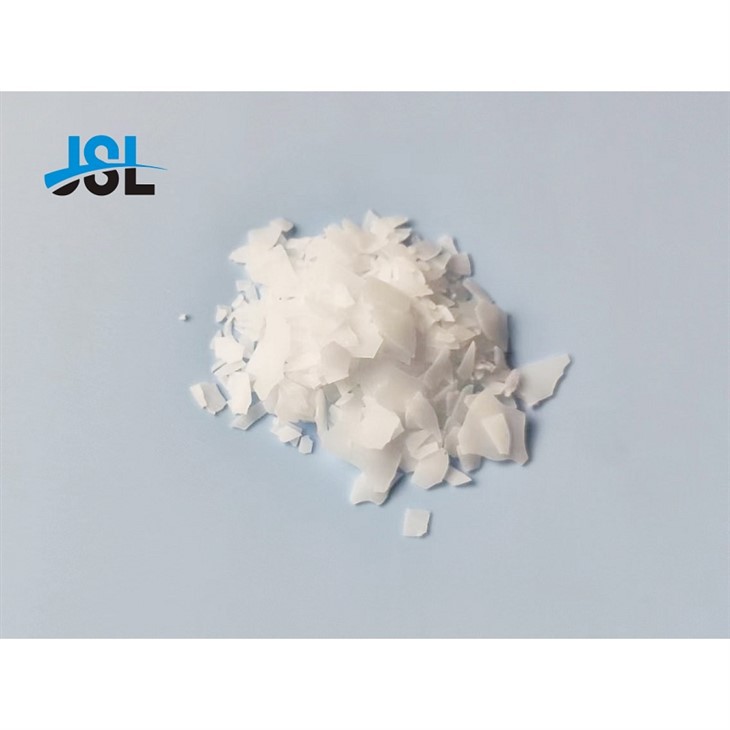
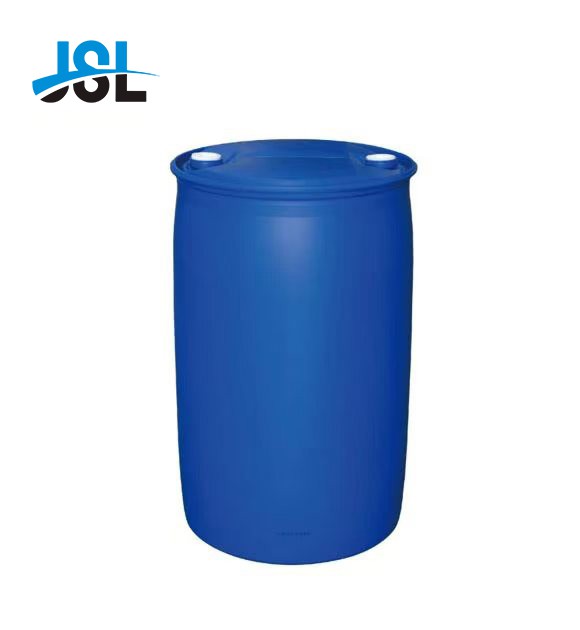
We also provide APG 0810H60/220/decyl Glucoside/CAS:68515 - 73 - 1. This product has specific properties that make it ideal for different manufacturing processes. Its high purity and consistent quality ensure reliable results in various applications.
Another product in our portfolio is APG 0810/decyl Glucoside/CAS:68515 - 73 - 1. It is a natural and renewable surfactant that is well - received in the market due to its environmental friendliness and excellent performance.
Debunking Astrological Implications
The idea of astrological implications associated with a chemical compound's CAS number is completely unfounded. Astrology is based on the belief that the positions and movements of celestial bodies can influence human affairs and natural phenomena. However, there is no scientific evidence to suggest that the arrangement of stars and planets has any direct connection to the properties or applications of a chemical compound.
Chemical compounds are defined by their atomic and molecular structures, which determine their physical and chemical properties. These properties are the result of fundamental scientific principles such as chemical bonding, intermolecular forces, and thermodynamics. For example, the biodegradability of decyl glucoside is due to the presence of natural and easily - degradable components in its structure, not because of any astrological factors.
Moreover, the development and use of chemical compounds are based on extensive research, testing, and quality control. Scientists and engineers rely on scientific methods to understand the behavior of these compounds and to develop safe and effective products. There is no room for astrological interpretations in the field of chemistry.
Quality Assurance and Safety
At our company, we are committed to providing high - quality products that meet the strictest safety and environmental standards. We conduct rigorous quality control tests on all our products to ensure their purity, stability, and performance. Our manufacturing processes are designed to minimize waste and energy consumption, making our products not only effective but also sustainable.
We also prioritize the safety of our products. Decyl glucoside is generally recognized as safe for use in various applications. However, we provide detailed safety data sheets (SDS) for all our products, which contain information on handling, storage, and potential hazards. This ensures that our customers can use our products safely and responsibly.
Conclusion
In conclusion, CAS 68515 - 73 - 1 represents decyl glucoside, a versatile and environmentally friendly chemical compound with a wide range of applications. There are no astrological implications associated with this CAS number, as the properties and uses of decyl glucoside are determined by scientific principles.
As a supplier of products related to this CAS number, we are dedicated to providing high - quality, safe, and sustainable solutions. Whether you are in the personal care, household cleaning, or industrial sector, our products can meet your specific needs.
If you are interested in learning more about our products or discussing potential procurement opportunities, we encourage you to reach out. Our team of experts is ready to assist you in finding the right solutions for your business.
References
- "Surfactants and Interfacial Phenomena" by Milton J. Rosen and Dennis L. Kunjappu.
- "Green Chemistry: Principles and Practice" by Paul T. Anastas and John C. Warner.
- Industry reports on the personal care and cleaning product markets.