






Hey there! As an alkyl glucoside supplier, I've been getting a lot of questions lately about how alkyl glucoside interacts with carbohydrates. So, I thought I'd take a deep dive into this topic and share what I've learned.
First off, let's talk a bit about what alkyl glucosides are. Alkyl glucosides are a type of non - ionic surfactant. They're made by reacting glucose (a simple carbohydrate) with fatty alcohols. This reaction results in a compound that has both hydrophilic (water - loving) and hydrophobic (water - hating) parts. That's what makes them great surfactants, as they can reduce the surface tension between two substances, like oil and water.
Now, let's get into how they interact with carbohydrates. Carbohydrates are a diverse group of molecules that include simple sugars like glucose and fructose, as well as more complex ones like starch and cellulose. The interaction between alkyl glucosides and carbohydrates can be influenced by several factors, such as the structure of the carbohydrate, the concentration of the alkyl glucoside, and the environmental conditions like temperature and pH.
Interaction with Simple Carbohydrates
Simple carbohydrates, or monosaccharides, are the building blocks of more complex carbohydrates. When alkyl glucosides come into contact with monosaccharides like glucose, there are a few things that can happen.
One of the main interactions is through hydrogen bonding. Both alkyl glucosides and carbohydrates have hydroxyl (-OH) groups. These hydroxyl groups can form hydrogen bonds with each other. Hydrogen bonds are relatively weak compared to covalent bonds, but they play a crucial role in the interaction between these molecules. The hydrogen bonding can lead to the formation of aggregates or complexes between the alkyl glucoside and the monosaccharide.
For example, in an aqueous solution, the hydrophilic part of the alkyl glucoside (the glucose moiety) can interact with the glucose molecule through hydrogen bonds. This interaction can affect the solubility and the physical properties of the monosaccharide in the solution. In some cases, it may increase the solubility of the monosaccharide by surrounding it with the alkyl glucoside molecules and preventing it from aggregating with other monosaccharide molecules.
Interaction with Oligosaccharides and Polysaccharides
Oligosaccharides are short chains of monosaccharides, and polysaccharides are long chains. When it comes to oligosaccharides and polysaccharides, the interaction with alkyl glucosides becomes more complex.
The alkyl glucoside can interact with the surface of the oligo - or polysaccharide chain. The hydrophobic part of the alkyl glucoside may interact with any non - polar regions on the carbohydrate chain, while the hydrophilic part can form hydrogen bonds with the hydroxyl groups on the carbohydrate.
In the case of starch, which is a polysaccharide made up of glucose units, alkyl glucosides can interact with the outer chains of the starch molecule. This interaction can affect the gelatinization process of starch. Gelatinization is the process where starch granules absorb water, swell, and lose their crystalline structure when heated. The presence of alkyl glucosides can either promote or inhibit this process depending on the concentration and the type of alkyl glucoside. At low concentrations, alkyl glucosides may help in the penetration of water into the starch granules, thus promoting gelatinization. At high concentrations, they may form a protective layer around the starch granules, preventing excessive water uptake and inhibiting gelatinization.
Cellulose is another important polysaccharide. It has a highly ordered and crystalline structure. Alkyl glucosides can interact with the surface of cellulose fibers. The interaction can help in the dispersion of cellulose fibers in an aqueous solution. This is useful in applications like papermaking, where evenly dispersed cellulose fibers are desired.
Applications Based on the Interaction
The interaction between alkyl glucosides and carbohydrates has several practical applications.
In the food industry, alkyl glucosides can be used as emulsifiers and stabilizers. Since they can interact with carbohydrates, they can help in maintaining the stability of food products. For example, in salad dressings, they can prevent the separation of oil and water phases by interacting with the carbohydrates present in the dressing, such as natural gums or starches.
In the pharmaceutical industry, alkyl glucosides can be used to improve the solubility and bioavailability of carbohydrate - based drugs. By forming complexes with the drug molecules (which may contain carbohydrates), they can enhance the dissolution of the drug in the body fluids, making it more easily absorbed.
In the cosmetic industry, alkyl glucosides are often used in products like shampoos and body washes. The interaction with carbohydrates in the hair or on the skin can help in the cleansing process. For example, they can remove dirt and oil while also maintaining the natural moisture balance of the hair or skin, thanks to their interaction with the carbohydrates present in the hair and skin cells.
Our Alkyl Glucoside Products
As an alkyl glucoside supplier, we offer a range of high - quality products. For instance, we have Caprylyl/Decyl Glucoside APG215 CS UP. This product is known for its excellent surfactant properties and can be used in a variety of applications where interaction with carbohydrates is important.
Another great product is APG 0810H70BG/decyl Glucoside/CAS:68515 - 73 - 1/BG - 10. It has a good balance of hydrophilic and hydrophobic properties, which makes it suitable for interacting with different types of carbohydrates.

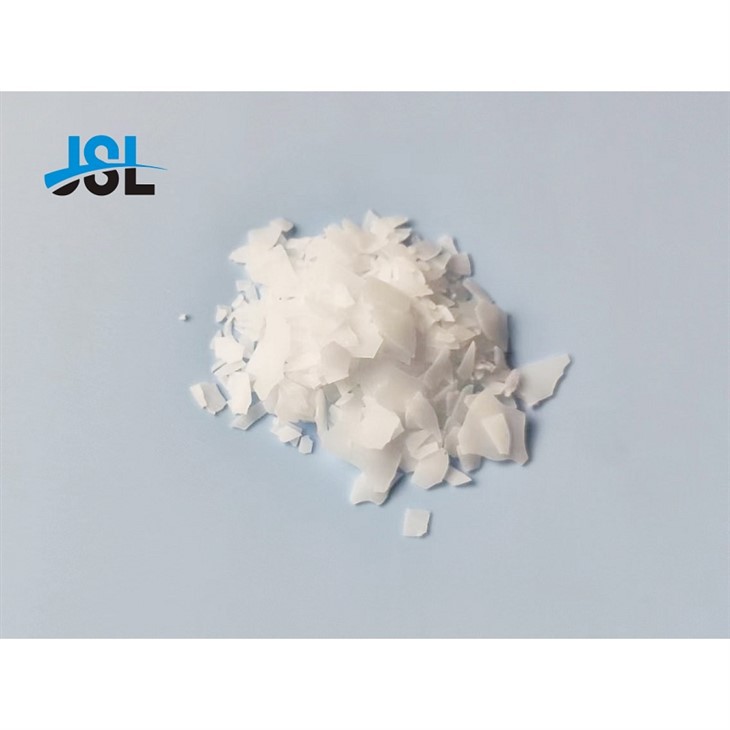
We also supply APG 0810H70/decyl Glucoside/CAS:68515 - 73 - 1. This product is widely used in industries where the interaction between alkyl glucoside and carbohydrates can enhance the performance of the final product.
Conclusion
The interaction between alkyl glucosides and carbohydrates is a fascinating area of study. It involves complex physical and chemical processes that have a wide range of applications in various industries. Whether you're in the food, pharmaceutical, or cosmetic industry, understanding these interactions can help you make better - informed decisions when it comes to using alkyl glucosides in your products.
If you're interested in learning more about our alkyl glucoside products or how they can interact with the carbohydrates in your specific application, feel free to reach out. We're here to help you find the best solutions for your needs and can have in - depth discussions about procurement and how our products can fit into your production processes.
References
- Rosen, M. J. (2004). Surfactants and interfacial phenomena. John Wiley & Sons.
- Whistler, R. L., & BeMiller, J. N. (Eds.). (1993). Industrial gums: polysaccharides and their derivatives. Academic press.
- Krog, N. (1977). Emulsifiers in food technology. Academic Press.