




What is the Purity of APG215?
As a reliable supplier of APG215, I often encounter inquiries about the purity of this product. In this blog post, I will delve into the concept of APG215 purity, its significance, and how it impacts various applications.
Understanding APG215
APG215, also known as Caprylyl/Decyl Glucoside APG215 CS UP, is a type of alkyl polyglucoside (APG). APGs are non - ionic surfactants derived from renewable raw materials such as fatty alcohols and glucose. They are known for their excellent biodegradability, low toxicity, and mildness to the skin, which makes them popular in a wide range of industries, including personal care, household cleaning, and industrial applications. You can find more information about Caprylyl/Decyl Glucoside APG215 CS UP on our website.
Defining Purity in APG215
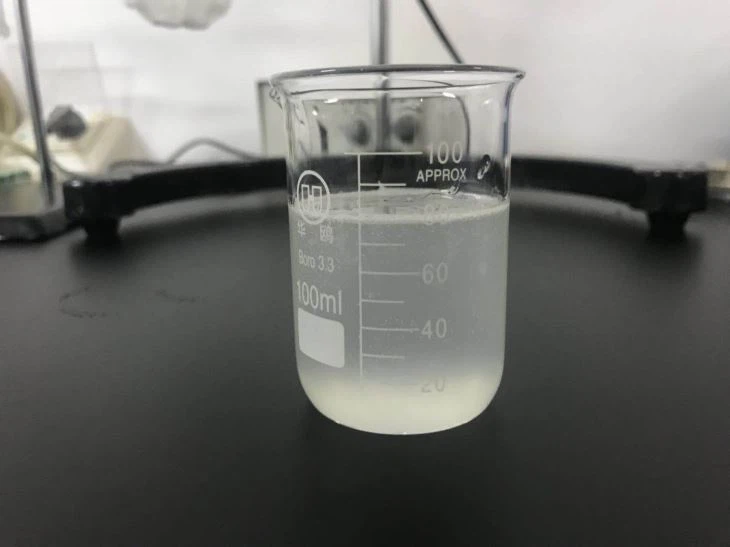
The purity of APG215 refers to the proportion of the active ingredient (caprylyl/decyl glucoside) in the product. It is typically expressed as a percentage. A higher purity level means that there is a greater amount of the desired surfactant in the product, with fewer impurities.
Impurities in APG215 can come from various sources. During the manufacturing process, unreacted raw materials, by - products of the chemical reactions, and trace amounts of catalysts may remain in the final product. These impurities can potentially affect the performance and quality of APG215 in different applications.
Significance of Purity
- Performance in Applications
- In personal care products, such as shampoos, body washes, and facial cleansers, high - purity APG215 provides better foaming properties. It can create a rich and stable lather, which enhances the user experience. Additionally, it helps in effectively removing dirt, oil, and impurities from the skin and hair without causing irritation.
- For household cleaning products, like dishwashing liquids and all - purpose cleaners, pure APG215 has better emulsifying and dispersing abilities. It can break down grease and stains more efficiently, leading to better cleaning results.
- Safety and Compatibility
- High - purity APG215 is generally safer for use. Since it contains fewer impurities, the risk of allergic reactions or skin sensitivities is reduced. This is especially important in products that come into direct contact with the skin, such as baby care products.
- It also has better compatibility with other ingredients in formulations. In complex formulations, impurities in APG215 may react with other components, leading to instability, precipitation, or changes in the product's appearance and performance.
Measuring the Purity of APG215
There are several methods to measure the purity of APG215. One common method is high - performance liquid chromatography (HPLC). HPLC separates the different components in the APG215 sample based on their chemical properties and then quantifies the amount of the active ingredient. Another method is titration, which involves adding a reagent to the sample to react with the active ingredient and determining the amount of the reagent consumed, from which the purity can be calculated.
Our APG215 Products and Their Purity
We offer different grades of APG215 with carefully controlled purity levels. Our products are manufactured under strict quality control standards to ensure consistent purity and performance. In addition to APG215, we also supply related APG products such as APG 0810/decyl Glucoside/CAS:68515 - 73 - 1 and APG 0810H65/decyl Glucoside/CAS:68515 - 73 - 1.
Our standard APG215 product has a high purity level, which meets the requirements of most common applications. However, for customers with specific needs, such as those in the pharmaceutical or high - end personal care industries, we can also provide customized products with even higher purity levels.
Factors Affecting Purity
- Raw Materials
- The quality of the raw materials used in the production of APG215 has a significant impact on its purity. High - quality fatty alcohols and glucose with low impurity levels are essential for producing high - purity APG215.
- Manufacturing Process
- The manufacturing process of APG215 involves a series of chemical reactions and purification steps. Precise control of reaction conditions, such as temperature, pressure, and reaction time, is crucial for achieving high - purity products. Efficient purification methods, such as distillation and filtration, can also help remove impurities from the final product.
Comparing Purity with Other APG Products
When comparing APG215 with other APG products like APG 0810 and APG 0810H65, the purity requirements may vary depending on the application. For example, in some industrial cleaning applications, a slightly lower purity APG product may be sufficient as long as it can provide the necessary cleaning performance. However, in personal care products, higher purity APGs are often preferred to ensure safety and mildness.
Conclusion
The purity of APG215 is a critical factor that affects its performance, safety, and compatibility in various applications. As a supplier, we are committed to providing high - quality APG215 products with well - controlled purity levels. Whether you are in the personal care, household cleaning, or industrial sectors, our APG215 products can meet your specific needs.
If you are interested in purchasing APG215 or have any questions about its purity and applications, please feel free to contact us for further discussions and potential business cooperation. We look forward to working with you to find the best solutions for your product formulations.
References
- “Surfactants: Chemistry, Interfacial Properties, and Applications” by Milton J. Rosen.
- “Non - Ionic Surfactants: Physical Chemistry” edited by Martin J. Schick.