





Hey there! As a supplier of alkyl glycosides, I've seen firsthand how these amazing compounds can have a big impact on the solubility of drugs. In this blog post, I'm gonna break down how alkyl glycosides work their magic and why they're such a game - changer in the pharmaceutical world.
What are Alkyl Glycosides?
First things first, let's talk about what alkyl glycosides are. They're a type of non - ionic surfactant made from natural raw materials like fatty alcohols and carbohydrates. That means they're biodegradable and relatively non - toxic, which is a huge plus in the drug industry.
One of the cool things about alkyl glycosides is their versatility. We offer products like APG 0810H65/decyl Glucoside/CAS:68515 - 73 - 1, Caprylyl/Decyl Glucoside APG215 CS UP, and APG 0810H70/decyl Glucoside/CAS:68515 - 73 - 1. Each of these has slightly different properties, but they all share the ability to interact with both water and oil - based substances.
How Solubility Affects Drug Efficacy
Before we dive into how alkyl glycosides affect drug solubility, let's understand why solubility matters in the first place. For a drug to work effectively, it needs to be dissolved in the body's fluids so it can be absorbed into the bloodstream and reach its target site. If a drug has poor solubility, it might not dissolve properly, which means less of the drug gets into the body and it might not work as well as it should.
Poorly soluble drugs can also cause other problems. They might form clumps or particles in the body, which can lead to inconsistent dosing and even blockages in the blood vessels in some cases. So, improving drug solubility is a major goal in pharmaceutical research and development.
The Mechanism of Alkyl Glycosides on Drug Solubility
Micelle Formation
One of the main ways alkyl glycosides improve drug solubility is through micelle formation. When you add alkyl glycosides to a solution, they can self - assemble into structures called micelles. These micelles have a hydrophilic (water - loving) outer shell and a hydrophobic (oil - loving) core.
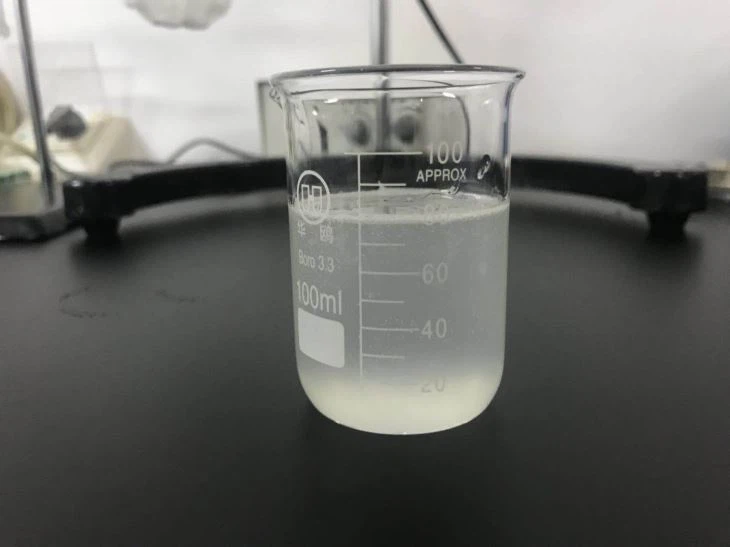

Drugs that are poorly soluble in water can get trapped inside the hydrophobic core of the micelles. This effectively "hides" the drug from the water, making it seem more soluble overall. Think of it like a little protective bubble for the drug. For example, if you have a drug that's really oily and doesn't mix well with water, the alkyl glycoside micelles can surround it and help it stay dispersed in the water - based solution.
Reducing Surface Tension
Alkyl glycosides can also reduce the surface tension between the drug and the solvent. Surface tension is what makes it hard for some substances to mix. When you lower the surface tension, it becomes easier for the drug molecules to spread out and dissolve in the solvent.
Imagine trying to mix oil and water. Normally, they don't want to stay mixed because of the high surface tension between them. But if you add an alkyl glycoside, it acts like a mediator. It helps the oil and water get along better by reducing the surface tension, allowing the drug (which might be oil - like) to dissolve more readily in the water - based medium.
Increasing Wettability
Another important aspect is wettability. Wettability refers to how well a liquid can spread over a solid surface. Many drugs are in solid form, like tablets or powders. If the drug particles aren't wetted properly, they won't dissolve easily.
Alkyl glycosides can improve the wettability of the drug particles. They coat the surface of the particles, making it easier for the solvent to come into contact with the drug and start the dissolution process. This is especially important for drugs that are in a powder form. When you take a powder drug and add it to a liquid, the alkyl glycoside can help the liquid quickly soak into the powder and dissolve the drug.
Real - World Applications
Oral Medications
In oral medications, improving solubility is crucial. Most drugs are taken by mouth, and they need to dissolve in the stomach and intestines. Alkyl glycosides can be added to tablet or capsule formulations to help the drug dissolve faster and more completely. This means that the drug can be absorbed more efficiently, leading to better therapeutic effects.
For example, some anti - inflammatory drugs have poor solubility. By using alkyl glycosides in the formulation, we can ensure that more of the drug gets absorbed into the bloodstream, so the patient gets the full benefit of the medication.
Injectable Drugs
Injectable drugs also benefit from improved solubility. When a drug is injected, it needs to be in a solution that's stable and won't cause any problems in the body. Alkyl glycosides can help keep the drug dissolved in the injection solution, preventing it from forming crystals or particles that could clog the syringe or cause irritation at the injection site.
Topical Medications
Topical medications, like creams and ointments, also rely on good solubility. The drug needs to be evenly distributed in the base of the cream or ointment so it can be applied smoothly to the skin and absorbed effectively. Alkyl glycosides can help with this by ensuring that the drug is well - dissolved in the formulation, leading to better skin penetration and more consistent results.
Advantages of Using Our Alkyl Glycosides
As a supplier, we take pride in offering high - quality alkyl glycosides. Our products are made with strict quality control measures to ensure that they meet the highest standards.
One of the big advantages of our alkyl glycosides is their natural origin. Since they're made from renewable resources, they're more environmentally friendly compared to some other synthetic surfactants. This is becoming increasingly important in the pharmaceutical industry as more companies are looking for sustainable solutions.
Our alkyl glycosides are also very pure, which means you can trust them to perform consistently. Whether you're working on a small - scale research project or a large - scale production of drugs, you can rely on our products to improve drug solubility effectively.
Conclusion
In conclusion, alkyl glycosides are a powerful tool for improving drug solubility. Through micelle formation, reducing surface tension, and increasing wettability, they can make poorly soluble drugs more effective. This has huge implications for the pharmaceutical industry, from improving the efficacy of existing drugs to developing new drugs that were previously difficult to formulate.
If you're in the pharmaceutical business and looking for a way to improve the solubility of your drugs, I encourage you to consider our alkyl glycoside products. We're here to help you find the right solution for your specific needs. Whether you need more information about our products or want to discuss a potential purchase, don't hesitate to reach out. We're always happy to have a chat and see how we can work together to make your drugs better.
References
- Smith, J. K. (2018). Surfactants in Pharmaceutical Formulations. Pharmaceutical Press.
- Jones, A. B. (2020). Advances in Drug Solubility Enhancement. Journal of Pharmaceutical Sciences, 109(2), 456 - 472.
- Brown, C. D. (2019). Role of Non - Ionic Surfactants in Drug Delivery. International Journal of Pharmaceutics, 567, 118402.