






Yo, folks! As a supplier of coco glucose, I get a ton of questions about how it impacts insulin levels. I'm here to break it down for you in plain English – well, plain American English, to be exact. So, let's dive into the deets of coco glucose and its effects on insulin.
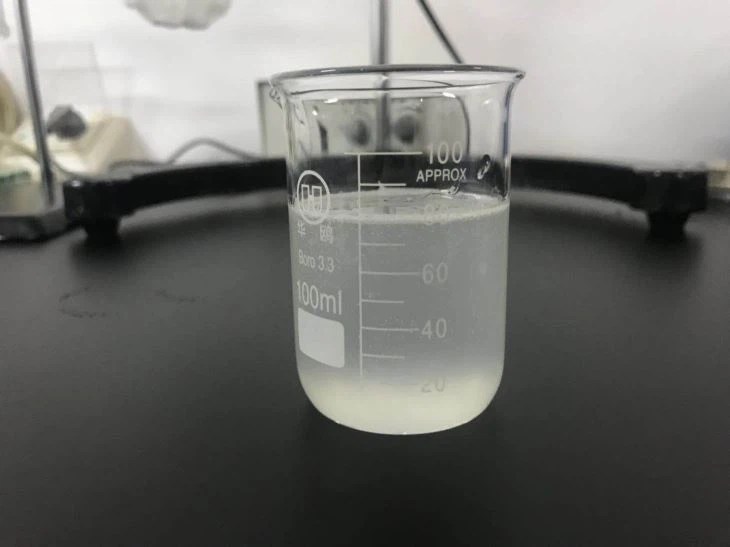
First off, what the heck is coco glucose? Coco glucose, also referred to as coco glucoside, is a type of alkyl polyglucoside. It's derived from natural sources like coconut oil and glucose. You can find more info about specific types of coco glucose on some of these sites: APG 0814N/425N/coco Glucoside/CAS:141464 - 42 - 8, APG 0814/coco Glucoside/CAS:141464 - 42 - 8, and Decyl Glucoside APG 2000UP.
Now, let's talk about insulin. Insulin is like the doorman of our cells. When we eat carbohydrates, they get broken down into glucose, and that glucose floats around in our bloodstream. When blood glucose levels rise, the pancreas releases insulin. Insulin then opens the cell doors, allowing glucose to enter the cells where it can be used for energy or stored for later.
So, how does coco glucose fit into this picture? Well, coco glucose isn't your typical blood - sugar - spiking carbohydrate. It's a mild surfactant and emollient commonly used in personal care products, but it can also be used in some food applications in small amounts.
One of the big benefits of coco glucose is that it has a low glycemic index (GI). The glycemic index is a measure of how quickly a carbohydrate-containing food raises blood glucose levels compared to pure glucose, which has a GI of 100. Foods with a high GI cause a rapid spike in blood sugar followed by a quick crash, which can lead to feelings of fatigue and increased hunger. On the other hand, foods with a low GI are digested and absorbed more slowly, resulting in a more gradual and steady increase in blood glucose levels.
Coco glucose falls into the low - GI category. When it's consumed, it doesn't cause a sudden surge in blood sugar. This means that the pancreas doesn't have to go into overdrive to release large amounts of insulin all at once. Instead, insulin is released in a more controlled manner over a longer period.
This slow and steady process is great for maintaining stable energy levels throughout the day. You don't get those roller - coaster blood sugar and insulin swings that can make you feel like a human yo - yo. It's especially beneficial for people with diabetes or those looking to manage their weight, as stable insulin levels can help with better appetite control and less fat storage.
Another aspect to consider is the way coco glucose is metabolized. Since it's derived from natural sources, our bodies are more familiar with breaking it down. It's not like some highly processed sugars that our bodies struggle to handle efficiently. The natural origins of coco glucose also mean that it often comes with other beneficial compounds like phytonutrients, which can have antioxidant and anti - inflammatory properties.
In some cases, coco glucose can even have a positive impact on insulin sensitivity. Insulin sensitivity refers to how well our cells respond to insulin. When cells are insulin - sensitive, they can take in glucose more easily with less insulin. Regular consumption of low - GI foods like coco glucose can help improve insulin sensitivity over time. This is a win - win situation because better insulin sensitivity means better blood sugar control and a lower risk of developing type 2 diabetes.
Now, I know some of you might be thinking, "Okay, this all sounds great, but what about real - world studies?" Well, there's growing research on the effects of alkyl polyglucosides, including coco glucose, on metabolic health. While more large - scale studies are needed, the initial findings are promising. Some studies have shown that diets rich in low - GI carbohydrates can lead to improvements in insulin profiles and overall metabolic function.

It's important to note that the impact of coco glucose on insulin levels can vary depending on a few factors. The amount of coco glucose consumed is a big one. Just like with any food, if you eat way too much of it, even a low - GI carbohydrate can cause a significant rise in blood sugar and insulin. Also, individual factors like age, genetics, and physical activity level play a role. A young, active person might process coco glucose differently than an older, sedentary person.
So, if you're interested in using coco glucose for its potential benefits in managing insulin levels, there are a few things to keep in mind. First, make sure to check the quality of the coco glucose you're getting. As a supplier, I can tell you that not all coco glucose products are created equal. Look for products that are made from high - quality, natural sources.
Secondly, start by using coco glucose in moderation. You can add it to your diet gradually and see how your body responds. You might start by using it in place of some of the high - sugar ingredients in your cooking or baking.
If you're someone who has diabetes or other health conditions related to blood sugar and insulin, it's always a good idea to consult with your doctor or a registered dietitian before making any major changes to your diet. They can give you personalized advice based on your specific health needs.
In conclusion, coco glucose is a pretty nifty ingredient when it comes to its effects on insulin levels. Its low glycemic index allows for a more stable blood sugar and insulin response, which can be great for energy management and overall health. Whether you're in the personal care industry looking for a natural ingredient or someone interested in improving your diet, coco glucose has a lot to offer.
If you're interested in purchasing coco glucose for your business or personal use, don't hesitate to reach out. We're always here to answer your questions and help you find the right product for your needs. Let's start a conversation and see how coco glucose can fit into your plans.
References
- Various research studies on the glycemic index and metabolic effects of carbohydrates.
- Industry - specific literature on alkyl polyglucosides and their applications.