



As a supplier of 68515 - 73 - 1, also known as Decyl Glucoside, I understand the importance of appropriate packaging options for this product. Decyl Glucoside is a mild, biodegradable surfactant widely used in the personal care, household cleaning, and industrial cleaning industries. In this blog, I will explore the various packaging options available for 68515 - 73 - 1 and discuss their advantages and disadvantages.
Understanding 68515 - 73 - 1
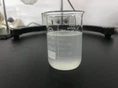
Before delving into the packaging options, it's essential to understand the properties of 68515 - 73 - 1. Decyl Glucoside is a clear to slightly hazy liquid with a characteristic odor. It is soluble in water and has excellent foaming and cleaning properties. Due to its mild nature, it is suitable for use in products for sensitive skin. This product is typically supplied as an aqueous solution with a concentration ranging from 50% to 70%.
Factors Influencing Packaging Choices
Several factors need to be considered when choosing the right packaging for 68515 - 73 - 1. These include:
- Product Safety: The packaging must protect the product from contamination, degradation, and leakage. It should also prevent any potential reactions between the product and the packaging material.
- Transportation and Storage: The packaging should be suitable for the intended mode of transportation and storage conditions. It should be able to withstand temperature variations, humidity, and physical stress during transit.
- User Convenience: The packaging should be easy to handle, open, and dispense the product. It should also provide clear instructions for use and storage.
- Environmental Impact: With increasing environmental awareness, it is important to choose packaging materials that are recyclable, reusable, or biodegradable.
Packaging Options for 68515 - 73 - 1
1. Plastic Drums
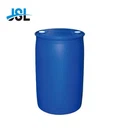
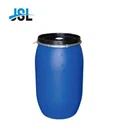
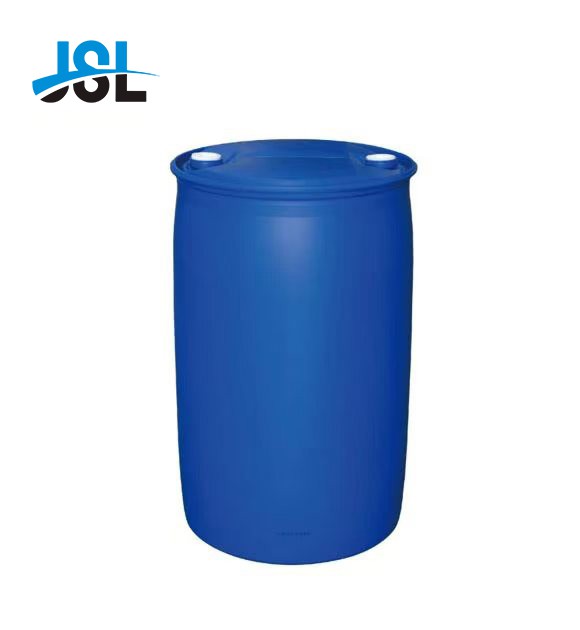
Plastic drums are a popular choice for packaging 68515 - 73 - 1 in large quantities. They are typically made of high - density polyethylene (HDPE) or polypropylene (PP), which are resistant to chemicals and provide good protection for the product.
Advantages
- Durability: Plastic drums are strong and can withstand rough handling during transportation.
- Large Capacity: They come in various sizes, ranging from 20 liters to 220 liters, making them suitable for bulk shipments.
- Chemical Resistance: HDPE and PP are resistant to most chemicals, ensuring the integrity of the product.
Disadvantages
- Environmental Impact: Plastic drums are not biodegradable and can contribute to plastic waste.
- Cost: The initial cost of purchasing plastic drums can be relatively high, especially for smaller quantities.
2. IBC Totes
Intermediate Bulk Containers (IBCs) or totes are another option for bulk packaging of 68515 - 73 - 1. They consist of a plastic container housed in a metal or plastic frame.
Advantages
- High Capacity: IBC totes can hold up to 1000 liters of product, making them ideal for large - scale production and distribution.
- Efficient Handling: They are designed for easy handling using forklifts or pallet jacks, reducing labor costs during loading and unloading.
- Reusability: Many IBC totes can be cleaned and reused, reducing waste and cost in the long run.
Disadvantages
- Size and Weight: IBC totes are large and heavy, which may require special storage facilities and transportation equipment.
- Initial Investment: The cost of purchasing IBC totes is relatively high, and they may not be suitable for small - scale suppliers.
3. Plastic Bottles
Plastic bottles are commonly used for packaging 68515 - 73 - 1 in smaller quantities, such as for sample shipments or retail products. They are usually made of HDPE, PP, or polyethylene terephthalate (PET).
Advantages
- User - Friendly: Plastic bottles are easy to handle and dispense the product. They often come with caps or pumps for convenient use.
- Visibility: Clear plastic bottles allow users to see the product level and its appearance.
- Customization: Bottles can be easily labeled with product information, instructions, and branding.
Disadvantages
- Limited Capacity: Plastic bottles typically have a smaller capacity compared to drums and totes, which may not be suitable for large - scale applications.
- Environmental Concerns: Similar to plastic drums, plastic bottles contribute to plastic waste if not properly recycled.
4. Flexible Packaging
Flexible packaging, such as pouches or bags, is an emerging option for 68515 - 73 - 1. These are usually made of laminated films, which can provide a barrier against oxygen, moisture, and light.
Advantages
- Lightweight: Flexible packaging is lightweight, reducing transportation costs and environmental impact.
- Customizable: Pouches can be designed in various shapes and sizes, and can be easily printed with branding and product information.
- Reduced Waste: Since flexible packaging uses less material compared to rigid containers, it generates less waste.
Disadvantages
- Puncture Risk: Flexible packaging is more prone to punctures and tears, which can lead to product leakage.
- Limited Reusability: Most flexible packaging is designed for single - use and may not be easily reusable.
Environmental Considerations
As mentioned earlier, environmental impact is an important factor in choosing packaging for 68515 - 73 - 1. Here are some ways to make more sustainable packaging choices:
- Recycling: Encourage customers to recycle plastic drums, bottles, and other packaging materials. Provide clear instructions on recycling and support local recycling initiatives.
- Biodegradable Packaging: Explore the use of biodegradable or compostable packaging materials, such as bio - based plastics or paper - based containers.
- Reusable Packaging: Promote the use of reusable containers, such as IBC totes, which can be cleaned and refilled multiple times.
Conclusion
Choosing the right packaging for 68515 - 73 - 1 is crucial to ensure product safety, transportation efficiency, and user convenience. Each packaging option has its own advantages and disadvantages, and the choice depends on various factors such as quantity, transportation mode, and environmental concerns.

As a supplier, we offer a range of packaging options for APG 0810/decyl Glucoside/CAS:68515 - 73 - 1 and Caprylyl/Decyl Glucoside APG 8170. We are committed to providing high - quality products and sustainable packaging solutions. If you are interested in purchasing 68515 - 73 - 1, please feel free to contact us for more information and to discuss your specific packaging requirements. We look forward to the opportunity to work with you and meet your needs.
References
- "Surfactants in Personal Care Products and Decorative Cosmetics" by L. R. Monteiro de Paula, et al.
- "Packaging Technology" by O. P. Pandey.
- Industry reports on the packaging of chemical products.