


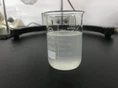

In the dynamic world of surfactants, finding the right one for your specific needs can be a daunting task. As a trusted supplier of coco glucoside, I've witnessed firsthand the growing interest in this remarkable surfactant and how it stacks up against other options in the market. In this blog post, I'll delve into the unique properties of coco glucoside and compare it to other commonly used surfactants, helping you make an informed decision for your formulations.
Understanding Surfactants
Before we dive into the comparison, let's briefly understand what surfactants are and their role in various applications. Surfactants, short for surface-active agents, are compounds that lower the surface tension between two liquids or between a liquid and a solid. They play a crucial role in a wide range of industries, including personal care, household cleaning, and industrial applications. Surfactants can be classified into four main types: anionic, cationic, nonionic, and amphoteric, each with its own set of properties and applications.
Coco Glucoside: A Natural and Versatile Surfactant
Coco glucoside is a nonionic surfactant derived from renewable resources, such as coconut oil and glucose. It is known for its mildness, biodegradability, and excellent foaming properties, making it a popular choice in personal care products, particularly those designed for sensitive skin. Coco glucoside is also compatible with other surfactants, allowing for the formulation of synergistic blends that enhance performance and reduce irritation.
One of the key advantages of coco glucoside is its natural origin. Unlike many synthetic surfactants, coco glucoside is derived from sustainable sources and is free from harmful chemicals, such as parabens, sulfates, and phthalates. This makes it an ideal choice for consumers who are looking for natural and eco-friendly products. Additionally, coco glucoside is biodegradable, meaning it breaks down easily in the environment, reducing its impact on the ecosystem.
Comparing Coco Glucoside to Other Surfactants
Now, let's compare coco glucoside to other commonly used surfactants in terms of their properties, performance, and applications.
Anionic Surfactants
Anionic surfactants are the most widely used type of surfactants in the industry. They have a negative charge and are known for their strong cleaning and foaming properties. However, they can also be harsh on the skin and cause irritation, especially for individuals with sensitive skin. Examples of anionic surfactants include sodium lauryl sulfate (SLS) and sodium laureth sulfate (SLES).
Compared to anionic surfactants, coco glucoside is much milder and less irritating to the skin. It has a lower critical micelle concentration (CMC), which means it requires less surfactant to form micelles and achieve the desired cleaning and foaming effects. This makes coco glucoside a more efficient and cost-effective option for formulators. Additionally, coco glucoside can be used in combination with anionic surfactants to reduce their irritation potential and enhance their performance.
Cationic Surfactants
Cationic surfactants have a positive charge and are primarily used for their antimicrobial and conditioning properties. They are commonly found in hair conditioners, fabric softeners, and disinfectants. However, cationic surfactants can be incompatible with anionic surfactants and may cause precipitation or loss of performance when used together.
Coco glucoside is a nonionic surfactant, which means it has no charge and is compatible with both anionic and cationic surfactants. This makes it a versatile option for formulators who want to combine different types of surfactants to achieve specific performance goals. Additionally, coco glucoside can enhance the conditioning properties of cationic surfactants, making them more effective in hair and skin care products.
Nonionic Surfactants
Nonionic surfactants have no charge and are known for their mildness, low toxicity, and excellent emulsifying properties. They are commonly used in a wide range of applications, including personal care, household cleaning, and industrial processes. Examples of nonionic surfactants include alcohol ethoxylates and polysorbates.
Coco glucoside is a nonionic surfactant that offers several advantages over other nonionic surfactants. It has a lower HLB (hydrophilic-lipophilic balance) value, which means it is more oil-soluble and can form stable emulsions with a wide range of oils and fats. This makes coco glucoside a popular choice for formulators who want to create oil-in-water emulsions, such as lotions and creams. Additionally, coco glucoside has excellent foaming properties, which are not typically associated with nonionic surfactants.
Amphoteric Surfactants
Amphoteric surfactants have both positive and negative charges and are known for their mildness, low irritation potential, and excellent compatibility with other surfactants. They are commonly used in personal care products, particularly those designed for sensitive skin. Examples of amphoteric surfactants include cocamidopropyl betaine and sodium cocoamphoacetate.
Coco glucoside is a nonionic surfactant that can be used in combination with amphoteric surfactants to enhance their performance and reduce their irritation potential. The combination of coco glucoside and amphoteric surfactants can create a synergistic effect, resulting in a mild and effective cleaning and foaming system. Additionally, coco glucoside can improve the stability and viscosity of amphoteric surfactants, making them easier to formulate and use.
Applications of Coco Glucoside
Coco glucoside's unique properties make it a versatile surfactant that can be used in a wide range of applications. Here are some of the most common applications of coco glucoside:
Personal Care Products
Coco glucoside is widely used in personal care products, such as shampoos, body washes, facial cleansers, and baby products. Its mildness and low irritation potential make it an ideal choice for sensitive skin, while its excellent foaming properties provide a luxurious and enjoyable cleansing experience. Additionally, coco glucoside can enhance the conditioning properties of hair and skin care products, leaving them soft, smooth, and hydrated.

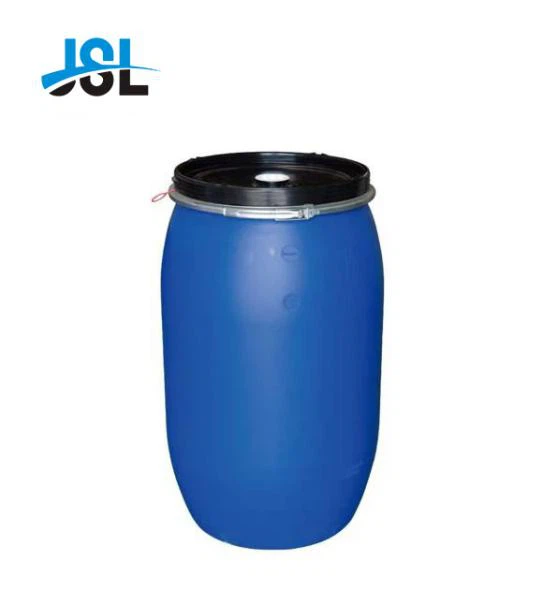
Household Cleaning Products
Coco glucoside is also used in household cleaning products, such as dishwashing liquids, laundry detergents, and all-purpose cleaners. Its natural origin and biodegradability make it an eco-friendly alternative to synthetic surfactants, while its excellent cleaning and foaming properties ensure effective removal of dirt and stains. Additionally, coco glucoside can reduce the surface tension of water, making it easier to rinse off and leaving no residue behind.
Industrial Applications
Coco glucoside has several industrial applications, including textile processing, metal cleaning, and oilfield chemicals. Its mildness and low toxicity make it a safe and effective option for these applications, while its excellent emulsifying and wetting properties ensure efficient processing and performance. Additionally, coco glucoside can be used in combination with other surfactants to enhance their performance and reduce their environmental impact.
Conclusion
In conclusion, coco glucoside is a natural and versatile surfactant that offers several advantages over other commonly used surfactants. Its mildness, biodegradability, and excellent foaming properties make it an ideal choice for a wide range of applications, particularly those in the personal care and household cleaning industries. As a coco glucoside supplier, I am committed to providing high-quality products that meet the needs of our customers. If you are interested in learning more about coco glucoside or would like to discuss your specific requirements, please don't hesitate to [contact us for procurement and further discussions].
References
- "Surfactants: Chemistry and Technology" by Milton J. Rosen
- "Handbook of Detergents" edited by Peter J. Flaherty
- "Natural Surfactants: Properties and Applications" by Rajender S. Varma