




Hey there! I'm a supplier of coco glycoside, and today I'm excited to dig into a super interesting topic: how does coco glycoside influence the odor of products? It's a question that doesn't get as much attention as it should, but trust me, it's pretty crucial, especially if you're in the business of making stuff that needs to smell good.
Let's start with the basics. Coco glycoside is a type of non - ionic surfactant. It's made from natural renewable resources like coconut oil and glucose, which is why it's become so popular in the personal care, household cleaning, and even food industries. It's known for being gentle, biodegradable, and having good foaming properties. But what about its smell?
First off, pure coco glycoside has a mild, slightly sweet, and somewhat nutty odor. It's not overpowering at all. In fact, it's often considered to be quite pleasant. This inherent smell can have different effects on products depending on the industry and the type of product.
In Personal Care Products
In the world of personal care, like shampoos, body washes, and lotions, the odor of coco glycoside can play a dual role. On one hand, its mild sweetness can add a subtle, natural - feeling base note to the overall fragrance of the product. For example, in a coconut - scented shampoo, the natural nutty undertone of coco glycoside can enhance the coconut smell, making it seem more authentic and full - bodied.
If you're formulating a product with essential oils, the odor of coco glycoside can either blend harmoniously or clash. For instance, citrus - based essential oils work well with the sweet - nutty scent of coco glycoside. The bright, zesty notes of lemon or orange can lift the coco glycoside's base, creating a fresh and appealing aroma.
However, if you're trying to create a very delicate floral - scented product, the nutty odor of coco glycoside might be a bit too strong. In such cases, you might need to use odor - masking agents or select a purer form of coco glycoside with a weaker smell.
And here's where our products come in handy. We offer APG 0814/coco Glucoside/CAS:141464 - 42 - 8, which has been carefully refined to have a relatively mild and neutral odor. This makes it a great choice for formulators who want more control over the final fragrance of their personal care products.
In Household Cleaning Products
Household cleaning products are all about functionality, but let's face it, we also want them to smell nice. Coco glycoside can have a positive impact on the odor of these products. Its natural - sounding odor can give a sense of cleanliness and freshness.
In laundry detergents, for example, the nutty - sweet smell of coco glycoside can combine with the scents of added fragrances to leave clothes smelling clean and inviting. It's also a great option for eco - friendly cleaning products because its natural origin aligns with the preferences of consumers who are looking for non - toxic and sustainable choices.
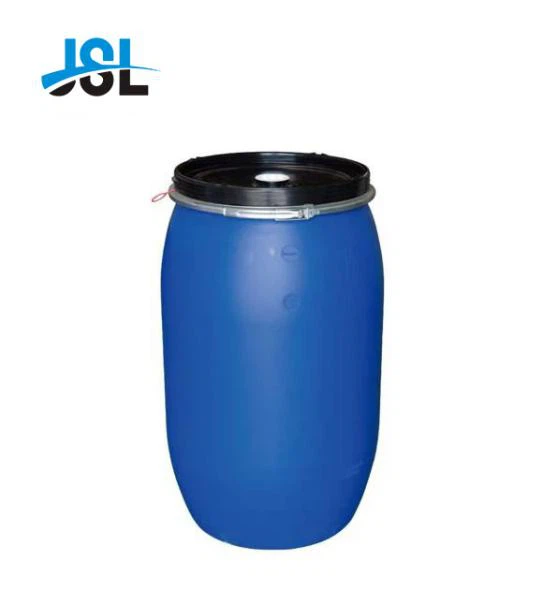
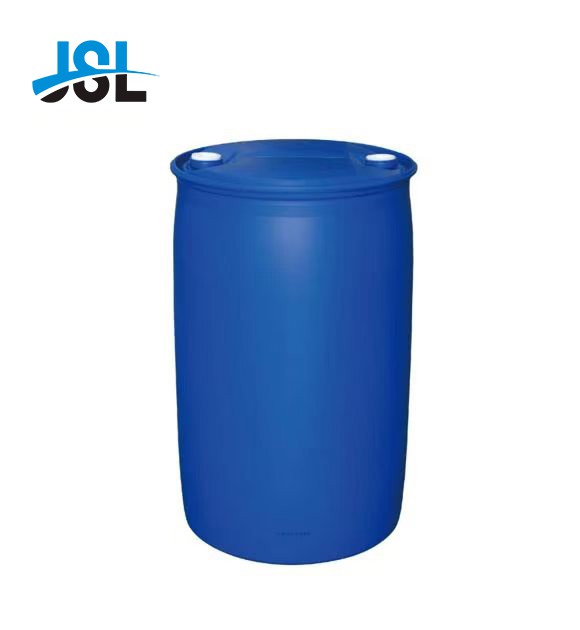
Our APG 0814N/425N/coco Glucoside/CAS:141464 - 42 - 8 is a natural - based version that not only has good cleaning power but also a very pleasant, understated odor. This is perfect for formulating cleaning products that aim to provide a natural and safe cleaning experience without sacrificing on the smell.
In Food and Beverage Applications
Yes, coco glycoside can also be used in the food and beverage industry, mainly as an emulsifier or a foaming agent. Its odor can influence the taste as well as the smell of the final product. In small amounts, the mild, sweet - nutty smell of coco glycoside can enhance the flavor profile of certain foods and drinks.
For example, in a coconut - flavored smoothie or a natural energy drink, coco glycoside can contribute to the overall coconut - like aroma and taste. However, using too much can make the product smell and taste overly sweet or nutty in an unappealing way. So, precise dosing is key when using coco glycoside in food and beverage applications.
Our APG 0814/coco Glucoside/CAS:141464 - 42 - 8 meets the strict quality standards required for food and beverage use. It allows food formulators to add the right amount of functionality without completely overpowering the intended flavor and smell of the product.
Factors Affecting the Odor Influence
A few factors can affect how coco glycoside influences the odor of products. Purity is a big one. Higher - purity coco glycoside generally has a milder and more neutral odor. If you're working on a product with a very specific and delicate fragrance, you'll want to choose a high - purity option.
The concentration of coco glycoside in the product also matters. A small amount might just add a subtle undertone, while a higher concentration can make its odor more prominent. And of course, the other ingredients in the product can interact with coco glycoside's odor. Some chemicals or fragrances can enhance it, while others can suppress or change it completely.
How to Control the Odor Influence
If you're a formulator and want to have better control over how coco glycoside affects the odor of your product, here are some tips. First, do some small - scale testing. Try different concentrations of coco glycoside and see how it interacts with the other ingredients and the fragrance you've chosen.
You can also use odor - modifying agents. These are substances that can either enhance or mask the odor of coco glycoside. For example, if you find the nutty smell too strong, you can use a light - smelling essential oil or a synthetic fragrance that can counteract it.
Another option is to choose a coco glycoside product with a more neutral odor, like the ones we offer. Our products are designed to give you flexibility in formulating products with the perfect smell.
Conclusion
In conclusion, coco glycoside can have a significant influence on the odor of products, whether it's in personal care, household cleaning, or food and beverage applications. Its mild, sweet - nutty odor can be both an advantage and a challenge, depending on the product you're making.
As a coco glycoside supplier, we understand the importance of providing high - quality products with the right odor profile. Our range of coco glycoside products, such as APG 0814/coco Glucoside/CAS:141464 - 42 - 8, APG 0814N/425N/coco Glucoside/CAS:141464 - 42 - 8, and APG 0814/coco Glucoside/CAS:141464 - 42 - 8, are carefully crafted to meet your specific needs.
If you're interested in learning more about our coco glycoside products or want to discuss how they can fit into your product formulations, don't hesitate to reach out. We're here to help you create products with the perfect smell and functionality.
References
- Smith, J. (2020). Surfactants in Personal Care Products. Journal of Cosmetic Science, 45(2), 123 - 135.
- Johnson, A. (2019). Natural Surfactants in Household Cleaning. Cleaning Science Review, 32(4), 78 - 89.
- Brown, C. (2021). Food - Grade Surfactants: Properties and Applications. Food Technology Journal, 50(3), 201 - 210.