




Hey there! As a decyl glucoside supplier, I'm super stoked to break down the manufacturing processes for you. Decyl glucoside is a hot - shot ingredient in the world of personal care and cleaning products, and understanding how it's made can really give you an edge in the market.
First things first, let's talk about the raw materials. Decyl glucoside is made from renewable resources, which is a huge plus in today's eco - conscious world. The main ingredients are fatty alcohols and glucose. The fatty alcohols usually come from coconut or palm kernel oil, and glucose is sourced from corn or wheat starch.
Step 1: Alcohol Preparation
The initial step in the manufacturing of decyl glucoside is the preparation of the fatty alcohol. We take those coconut or palm kernel oils and go through a process called hydrolysis. Hydrolysis breaks down the triglycerides in the oil into glycerol and fatty acids. After that, we turn these fatty acids into fatty alcohols via a hydrogenation process. This hydrogenation step involves reacting the fatty acids with hydrogen gas in the presence of a catalyst at high temperature and pressure. The end - product is a high - quality fatty alcohol, and for decyl glucoside, we specifically use decanol, which has 10 carbon atoms in its chain.
Step 2: Glucose Preparation
Glucose is our next key player. The corn or wheat starch is hydrolyzed into glucose using enzymes. Enzymes like amylases act on the starch molecules, breaking them down into smaller glucose units. This process occurs in a water - based solution, and it's really important to control the conditions such as temperature and pH to ensure a high - yield of pure glucose. Once we have that pure glucose solution, we're ready to move on to the next step.
Step 3: Condensation Reaction
Here comes the heart of the manufacturing process - the condensation reaction between the decanol and glucose. This reaction is carried out in the presence of an acid catalyst, usually p - toluenesulfonic acid or sulfuric acid. The acid helps to speed up the reaction between the hydroxyl groups of the glucose and the decanol, leading to the formation of an acetal bond. This bond is what links the glucose and the decanol together to form decyl glucoside.
The reaction takes place in a reactor under specific temperature and pressure conditions. We need to carefully control these parameters because if the temperature is too high, it can cause side reactions, and if it's too low, the reaction might not proceed at a satisfactory rate. During the reaction, water is produced as a by - product. We continuously remove the water from the reactor to drive the reaction forward, following Le Chatelier's principle. This helps to increase the yield of decyl glucoside.
Step 4: Neutralization
After the condensation reaction is complete, the reaction mixture contains the acid catalyst and other impurities. We need to neutralize the acid catalyst to stop the reaction and make the product suitable for further processing. We usually use a base, such as sodium hydroxide or potassium hydroxide, for neutralization. The base reacts with the acid to form a salt, which is then removed from the mixture through processes like filtration or centrifugation.
Step 5: Purification
The next step is purification. The crude decyl glucoside still contains some unreacted starting materials, side products, and salts. We use a series of purification techniques to get a high - purity product. One common method is distillation, which separates the decyl glucoside from the unreacted decanol based on their different boiling points. Another technique is extraction, where we use a solvent to selectively dissolve the decyl glucoside and leave behind the impurities.
After purification, we can adjust the product to the desired concentration by adding water if needed. This gives us a final product that is ready for use in various applications.
Our Products
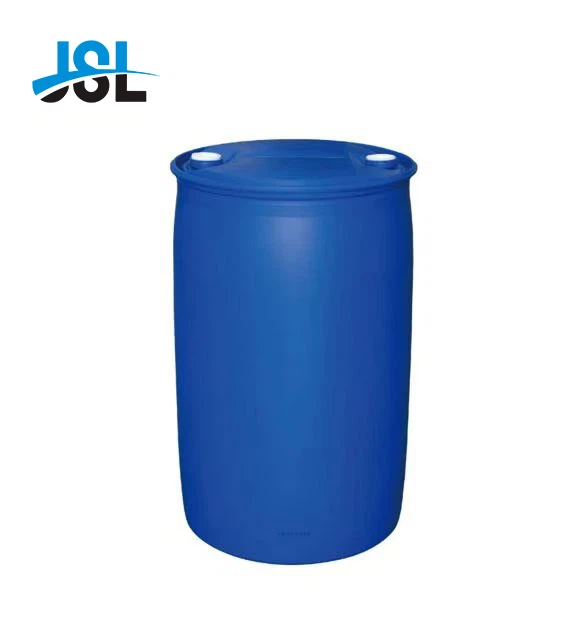
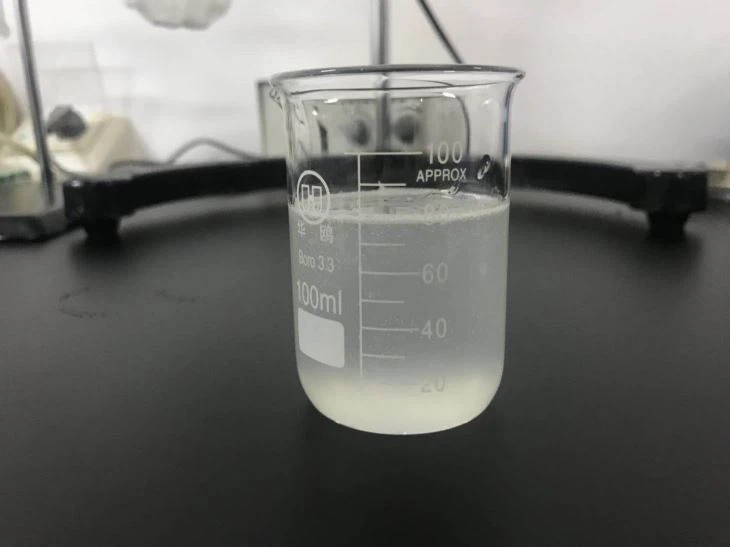
As a supplier, I'm proud to offer a range of high - quality decyl glucoside products. Check out our APG 0810H70BG/decyl Glucoside/CAS:68515 - 73 - 1/BG - 10, Caprylyl/Decyl Glucoside APG 8170, and APG 0810H60/220/decyl Glucoside/CAS:68515 - 73 - 1. These products are made using the state - of - the - art manufacturing processes I've just described, ensuring high purity and excellent performance.
Decyl glucoside has a ton of advantages. It's biodegradable, non - toxic, and has excellent foaming and emulsifying properties. It's widely used in shampoos, body washes, dishwashing liquids, and many other products. Whether you're a small - scale producer or a large - scale manufacturer, our decyl glucoside products can meet your needs.
Why Choose Us
We're not just another supplier. We're committed to quality, sustainability, and customer satisfaction. Our manufacturing processes are designed to minimize environmental impact, and we source our raw materials from reliable and ethical suppliers. We also have a team of experts who are always ready to provide technical support and answer any questions you might have.
If you're interested in purchasing decyl glucoside for your business, don't hesitate to reach out. We can offer competitive prices, flexible packaging options, and prompt delivery. Whether you need a small sample to test our products or a large - volume order, we've got you covered.
So, if you're in the market for high - quality decyl glucoside, drop us a line. Let's start a conversation and see how we can work together to take your products to the next level!
References
- "Surfactant Science Series: Alkyl Polyglycosides", edited by K. Hill, W. von Rybinski, and G. Stoll.
- Various industrial research papers on the synthesis and purification of decyl glucoside.