


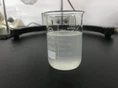

Coco glycoside, also known as coco glucoside, is a mild and biodegradable surfactant that has gained significant popularity in the personal care, household cleaning, and industrial sectors. As a leading supplier of coco glycoside, I am often asked about the manufacturing process behind this remarkable ingredient. In this blog post, I will take you through the step-by-step journey of how coco glycoside is made, from raw materials to the final product.
Raw Materials
The production of coco glycoside begins with two primary raw materials: coconut oil and glucose. Coconut oil, derived from the meat of coconuts, is a rich source of medium-chain fatty acids, primarily lauric acid. Glucose, on the other hand, is a simple sugar that can be obtained from various sources, such as corn starch or wheat starch. These raw materials are chosen for their natural origin, renewable nature, and compatibility with the environment.
Step 1: Alcoholysis
The first step in the manufacturing process is alcoholysis, also known as transesterification. In this step, coconut oil is reacted with a short-chain alcohol, typically methanol or ethanol, in the presence of a catalyst. The catalyst, usually an alkaline substance such as sodium hydroxide or potassium hydroxide, helps to speed up the reaction. The alcoholysis reaction breaks down the triglycerides in coconut oil into fatty acid methyl esters or fatty acid ethyl esters and glycerol.
The reaction can be represented by the following equation:
Triglyceride + 3 Alcohol → 3 Fatty Acid Esters + Glycerol
This step is crucial as it converts the long-chain fatty acids in coconut oil into more reactive and soluble fatty acid esters, which are easier to react with glucose in the subsequent steps.
Step 2: Glycosylation
After alcoholysis, the next step is glycosylation, where the fatty acid esters are reacted with glucose to form alkyl polyglucosides (APGs), of which coco glycoside is a type. This reaction is typically carried out in the presence of an acid catalyst, such as p-toluenesulfonic acid or sulfuric acid. The reaction occurs under controlled temperature and pressure conditions to ensure optimal conversion and product quality.
The glycosylation reaction can be represented by the following equation:
Fatty Acid Ester + Glucose → Alkyl Polyglucoside + Alcohol
During this reaction, the glucose molecule attaches to the fatty acid ester, forming a glycosidic bond. The resulting alkyl polyglucosides have a unique structure that combines the hydrophobic (water-repelling) properties of the fatty acid chain with the hydrophilic (water-attracting) properties of the glucose moiety. This structure gives coco glycoside its excellent surfactant properties, such as foaming, emulsifying, and wetting abilities.
Step 3: Purification
Once the glycosylation reaction is complete, the crude product contains a mixture of alkyl polyglucosides, unreacted starting materials, by-products, and the catalyst. To obtain a high-quality coco glycoside product, the crude mixture needs to be purified. Purification typically involves several steps, including neutralization, filtration, and distillation.
In the neutralization step, the acid catalyst is neutralized with a base, such as sodium hydroxide or potassium hydroxide, to form a salt. The salt is then removed by filtration. Filtration also helps to remove any solid impurities or unreacted starting materials from the mixture.
Distillation is used to separate the alkyl polyglucosides from the remaining low-boiling-point components, such as the alcohol and water. The distillation process is carefully controlled to ensure that the desired alkyl polyglucosides are collected at the appropriate temperature range.
Step 4: Formulation
After purification, the coco glycoside product may be further formulated to meet specific customer requirements. Formulation involves adding other ingredients, such as water, preservatives, and pH adjusters, to the purified coco glycoside to create a stable and ready-to-use product.
The choice of formulation ingredients depends on the intended application of the coco glycoside. For example, in personal care products, the formulation may include ingredients such as moisturizers, fragrances, and antioxidants to enhance the product's performance and sensory properties. In household cleaning products, the formulation may include ingredients such as builders, enzymes, and solvents to improve the cleaning efficiency.
Quality Control
Throughout the manufacturing process, strict quality control measures are implemented to ensure that the coco glycoside product meets the highest standards of quality and safety. Quality control tests are conducted at various stages of the process, including raw material inspection, in-process testing, and final product testing.
Raw material inspection involves testing the coconut oil and glucose for purity, moisture content, and other quality parameters. In-process testing is carried out during the manufacturing process to monitor the reaction progress, product composition, and other critical parameters. Final product testing is conducted on the finished coco glycoside product to ensure that it meets the specified quality criteria, such as purity, pH, viscosity, and foaming properties.
Applications of Coco Glycoside
Coco glycoside is a versatile ingredient that finds a wide range of applications in various industries. In the personal care industry, it is commonly used in products such as shampoos, body washes, facial cleansers, and baby care products. Its mild and non-irritating nature makes it suitable for sensitive skin, while its excellent foaming and cleansing properties provide a luxurious and effective cleansing experience.
In the household cleaning industry, coco glycoside is used in products such as dishwashing liquids, laundry detergents, and all-purpose cleaners. Its biodegradability and low toxicity make it an environmentally friendly alternative to traditional synthetic surfactants.
In the industrial sector, coco glycoside is used in applications such as emulsion polymerization, metal cleaning, and textile processing. Its unique surfactant properties make it an effective emulsifier, dispersant, and wetting agent in these applications.
Our Product Offerings
As a supplier of coco glycoside, we offer a range of high-quality products to meet the diverse needs of our customers. Our product portfolio includes APG 0814N/425N/coco Glucoside/CAS:141464-42-8, APG 0814/coco Glucoside/CAS:141464-42-8, and Decyl Glucoside APG 2000UP. These products are manufactured using state-of-the-art technology and strict quality control measures to ensure consistent quality and performance.
Contact Us for Procurement
If you are interested in purchasing coco glycoside for your business, we would be delighted to hear from you. Our team of experts is ready to assist you with your specific requirements and provide you with the best possible solutions. Whether you need a small sample for testing or a large-scale supply for your production, we can accommodate your needs.
Please feel free to contact us to start a discussion about your procurement needs. We look forward to the opportunity to work with you and contribute to the success of your business.
References
- Rosen, M. J., & Kunjappu, J. T. (2012). Surfactants and Interfacial Phenomena. John Wiley & Sons.
- Ash, M., & Ash, I. (2008). Handbook of Surfactants. Synapse Information Resources.
- Myers, D. (2011). Surfactant Science and Technology. John Wiley & Sons.