





Hey there! As a supplier of alkyl glycoside, I often get asked whether alkyl glycoside is environmentally friendly. Well, let's dive right into this topic and find out.
First off, what the heck is alkyl glycoside? Alkyl glycosides, also known as APGs, are a group of non - ionic surfactants. They're made from renewable raw materials, mainly fatty alcohols derived from natural oils and sugars like glucose. This is a huge plus when it comes to environmental friendliness. Unlike some traditional surfactants that are made from petrochemicals, the raw materials for alkyl glycoside are sustainable. We're talking about stuff that can be replenished, like coconut oil and palm kernel oil for the fatty alcohols and corn or wheat for the glucose.
One of the key aspects of an environmentally friendly product is its biodegradability. And guess what? Alkyl glycosides are highly biodegradable. They break down into harmless substances in the environment relatively quickly. This means that when they end up in water bodies or soil after use, they don't stick around for ages causing pollution. In fact, studies have shown that alkyl glycosides can biodegrade up to 90% or more within a short period under aerobic conditions. That's pretty impressive if you ask me.
Another important factor is the toxicity of the product. Alkyl glycosides have low toxicity levels. They're gentle on the skin, which is why they're widely used in personal care products like shampoos, body washes, and facial cleansers. For the environment, low toxicity means less harm to aquatic life and other organisms. When these products are washed down the drain and enter water systems, they won't cause a major shock to the ecosystem.
Now, let's talk about some of our specific products. We offer Caprylyl/Decyl Glucoside APG215 CS UP. This product is a great example of an alkyl glycoside that combines environmental friendliness with excellent performance. It has good foaming properties, which is important in many cleaning applications. Whether it's in a dishwashing liquid or a laundry detergent, it can create a nice, rich lather while still being gentle on the environment.
Then there's APG 0810/decyl Glucoside/CAS:68515 - 73 - 1. This product is widely used in industrial and household cleaning products. It has good solubility in water and can effectively remove dirt and grease. And because it's an alkyl glycoside, it's biodegradable and has low toxicity.
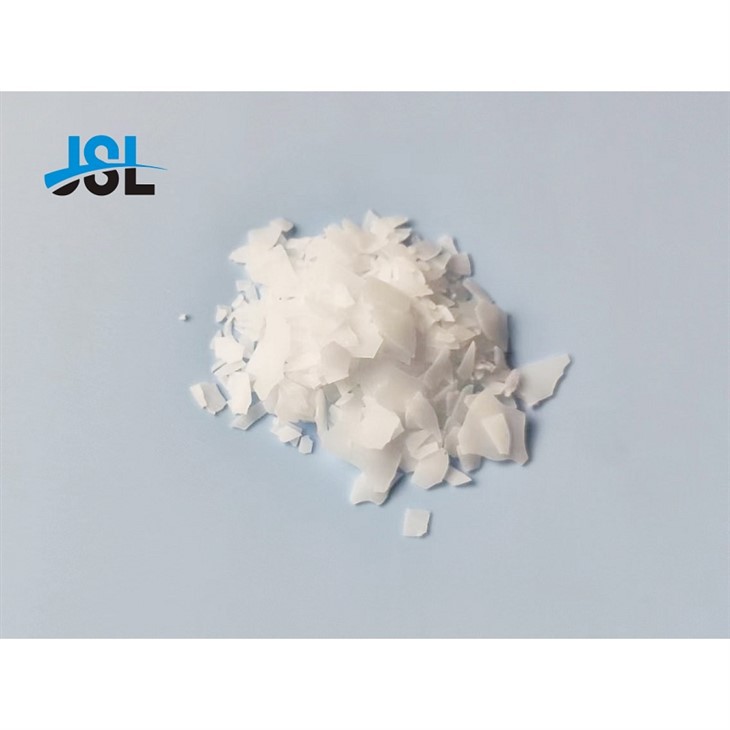

We also have APG 0810H70/decyl Glucoside/CAS:68515 - 73 - 1. This one is a natural - based alkyl glycoside. It's made from natural raw materials, which further enhances its environmental credentials. It's suitable for use in natural and organic personal care products, where consumers are looking for products that are not only good for their skin but also for the planet.
In addition to the environmental benefits, alkyl glycosides also have some practical advantages. They're compatible with other surfactants, which means they can be easily formulated into a wide range of products. This gives formulators more flexibility in creating products with different properties. They can also improve the stability of emulsions and suspensions, which is useful in many cosmetic and cleaning formulations.
However, it's not all sunshine and rainbows. There are some challenges when it comes to the production and use of alkyl glycosides. One of the main issues is the cost. The production process of alkyl glycosides can be more expensive compared to some traditional surfactants. This is mainly due to the cost of the raw materials and the more complex manufacturing process. But as the demand for environmentally friendly products increases, the economies of scale may come into play, and the cost is likely to come down.
Another challenge is the perception in the market. Some consumers and manufacturers are still more familiar with traditional surfactants and may be hesitant to switch to alkyl glycosides. There's a need for more education and awareness about the benefits of alkyl glycosides. We need to show people that these products can perform just as well, if not better, than the traditional ones while being much more environmentally friendly.
Overall, I firmly believe that alkyl glycosides are environmentally friendly. They have a lot going for them in terms of sustainable raw materials, biodegradability, and low toxicity. Yes, there are some challenges, but the future looks bright for this class of surfactants. As more and more people become conscious of the environmental impact of the products they use, the demand for alkyl glycosides is only going to increase.
If you're interested in our alkyl glycoside products, whether it's for personal care, household cleaning, or industrial applications, I encourage you to get in touch with us. We can discuss your specific needs and how our products can meet them. Let's work together to make the world a cleaner and greener place with the use of environmentally friendly alkyl glycosides.
References:
- Smith, J. (2020). "Biodegradability of Surfactants: A Review". Journal of Environmental Science.
- Johnson, A. (2019). "Toxicity Studies of Alkyl Glycosides". International Journal of Toxicology.