



Is APG220 Easy to Transport?
As a supplier of APG220, I often receive inquiries from customers about various aspects of our product, and one question that frequently comes up is whether APG220 is easy to transport. In this blog post, I will delve into this topic in detail, considering multiple factors related to the transportation of APG220.
Understanding APG220
Before discussing its transportability, it's essential to have a basic understanding of APG220. APG220 belongs to the family of alkyl polyglucosides (APGs), which are non - ionic surfactants known for their excellent environmental compatibility, mildness, and high foaming ability. These surfactants are widely used in personal care products, household cleaners, and industrial applications.
Physical and Chemical Properties Affecting Transport
1. State of Matter
APG220 is typically in a liquid state under normal conditions. Liquids generally have some advantages in transportation compared to solids or gases. They can be easily pumped into storage containers and transported through pipelines or tankers, which simplifies the loading and unloading process. For example, in large - scale industrial transportation, tank trucks can be directly connected to the storage facilities of APG220, and the product can be transferred efficiently.
2. Stability
APG220 has good chemical stability over a wide range of temperatures and pH values. This stability is crucial during transportation because it reduces the risk of degradation or chemical reactions that could occur due to environmental factors. Whether it is transported in hot summer or cold winter, APG220 can maintain its quality without significant changes in its properties. This stability also means that there is no need for special temperature - controlled transportation in most cases, which saves on transportation costs.
3. Corrosiveness
One of the positive aspects of APG220 is its low corrosiveness. It does not corrode common storage and transportation materials such as stainless steel, polyethylene, and polypropylene. This allows for the use of a variety of containers and pipelines for transportation, without the need for expensive corrosion - resistant materials. For instance, standard stainless - steel tanks can be used to store and transport APG220, which are widely available and relatively inexpensive.
Packaging and Containerization
1. Packaging Options
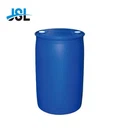
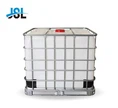
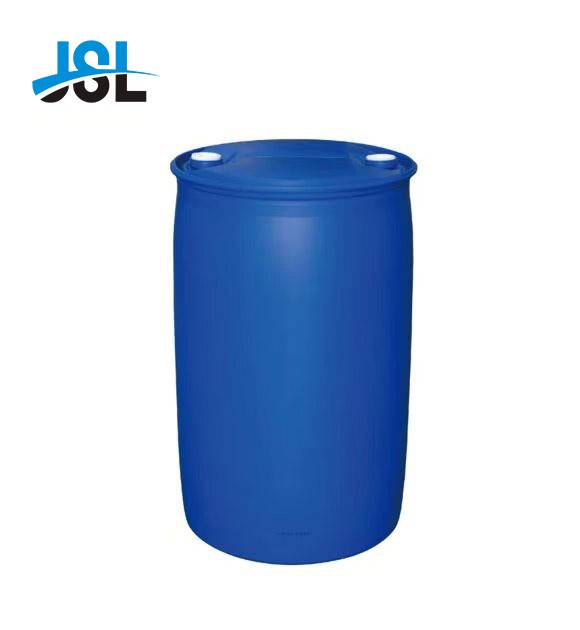
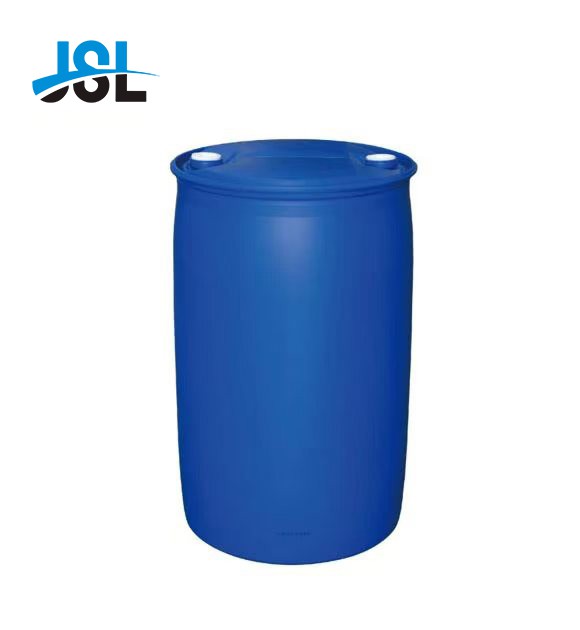
We offer APG220 in different packaging sizes to meet the diverse needs of our customers. Smaller quantities are usually packaged in plastic drums, which are lightweight, easy to handle, and stackable. These drums can be transported on pallets, which further simplifies the loading and unloading process and ensures better space utilization during transportation. For larger orders, we provide bulk packaging in ISO tanks or flexitanks. ISO tanks are standardized containers that can be easily transferred between different modes of transportation, such as trucks, trains, and ships. Flexitanks, on the other hand, are flexible containers that can be installed in standard shipping containers, offering a cost - effective solution for bulk liquid transportation.
2. Safety in Packaging
Our packaging is designed to ensure the safety of APG220 during transportation. The plastic drums and containers are sealed tightly to prevent leakage. Additionally, they are labeled clearly with all the necessary information, including product name, chemical composition, handling instructions, and safety warnings. This helps the transportation personnel to handle the product correctly and reduces the risk of accidents.
Regulatory and Logistical Considerations
1. Regulatory Compliance
APG220 is generally considered a safe and environmentally friendly product. It complies with various international regulations regarding the transportation of chemicals. For example, it is not classified as a hazardous substance under most major regulatory frameworks, which means that there are fewer restrictions and special requirements for its transportation compared to some other chemicals. This simplifies the documentation and approval processes, making the transportation more straightforward.
2. Logistical Networks
As a well - established supplier, we have a wide - reaching logistical network. We work with reliable freight forwarders and carriers who have extensive experience in transporting liquid chemicals. These partners have well - maintained transportation fleets and are familiar with the best practices for transporting products like APG220. Whether it is domestic or international transportation, we can ensure that the product reaches our customers in a timely and efficient manner.
Comparison with Other APG Products
When comparing APG220 with other APG products such as APG 0810/decyl Glucoside/CAS:68515 - 73 - 1, Caprylyl/Decyl Glucoside APG215 CS UP, and APG 0810H65/decyl Glucoside/CAS:68515 - 73 - 1, APG220 shares many similarities in terms of transportability. However, its specific physical and chemical properties may make it more or less suitable for certain transportation scenarios. For example, if a customer needs a product with a lower viscosity for easier pumping during transportation, APG220 may be a better choice compared to some other APGs with higher viscosities.
Potential Challenges in Transportation
Although APG220 is generally easy to transport, there are still some potential challenges that need to be considered. One of the main challenges is the risk of spillage during loading and unloading. Even though our packaging is designed to prevent leakage, human error or mechanical failures can still lead to spills. To mitigate this risk, we provide detailed training to our customers and transportation partners on proper handling procedures. Another challenge is the need for proper ventilation during transportation, especially in enclosed spaces. Although APG220 is not a volatile or highly toxic substance, good ventilation can help maintain a safe working environment.
Conclusion
In conclusion, APG220 is relatively easy to transport. Its physical and chemical properties, such as its liquid state, stability, and low corrosiveness, make it suitable for various transportation methods. The availability of different packaging options and compliance with regulatory requirements further simplify the transportation process. Our well - established logistical network ensures that the product can be delivered to our customers efficiently.
If you are interested in purchasing APG220 or have any questions about its transportation or other aspects, please feel free to contact us for further discussion and negotiation. We are committed to providing you with high - quality products and excellent service.
References
- "Alkyl Polyglucosides: Properties and Applications" - Journal of Surfactant Science
- Industry reports on the transportation of non - ionic surfactants