




As a supplier of APG 0810, I often get asked about the communication protocol of this remarkable product. In this blog post, I'll delve into the details of what the communication protocol of APG 0810 is, its significance, and how it impacts various applications.
Understanding APG 0810
Before we dive into the communication protocol, let's first understand what APG 0810 is. APG 0810, also known as alkyl polyglucoside, is a non - ionic surfactant derived from renewable raw materials such as glucose and fatty alcohols. It has gained popularity in various industries due to its excellent surface - active properties, biodegradability, and low toxicity.
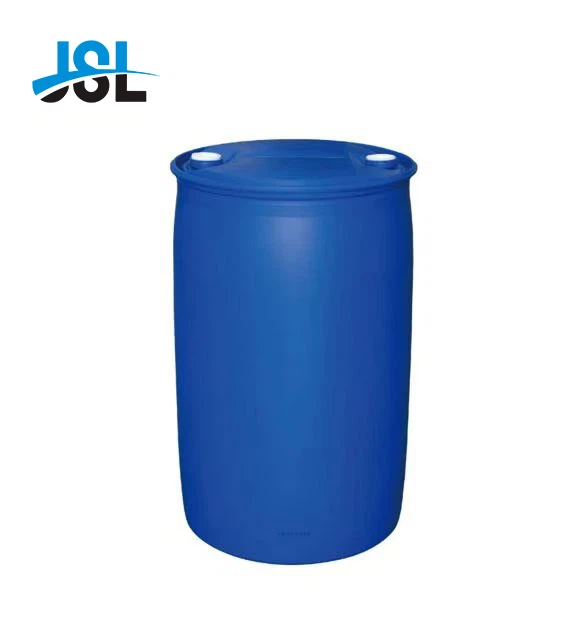
The APG 0810H60/220/decyl Glucoside/CAS:68515 - 73 - 1 and APG 0810/decyl Glucoside/CAS:68515 - 73 - 1 are specific formulations of APG 0810 that are widely used in personal care products, household cleaners, and industrial applications. Another variant, Caprylyl/Decyl Glucoside APG215 CS UP, also offers unique properties suitable for different use - cases.

The Concept of Communication Protocol in APG 0810
In the context of APG 0810, the "communication protocol" doesn't refer to the traditional digital communication protocols we are familiar with in the IT field. Instead, it pertains to how APG 0810 interacts with other substances in a system, whether it's in a formulation or in an industrial process.
Chemical Interaction Protocol
APG 0810 has a well - defined chemical interaction pattern. Its non - ionic nature allows it to interact with a wide range of other surfactants, both ionic and non - ionic, without causing precipitation or phase separation. This is crucial in formulating complex mixtures such as multi - component cleaning agents.
For example, in a dish - washing liquid formulation, APG 0810 can communicate effectively with anionic surfactants like sodium lauryl sulfate. The non - ionic APG 0810 helps to reduce the irritation potential of the anionic surfactant while enhancing the overall cleaning performance. The hydrophobic part of APG 0810, which is derived from fatty alcohols, interacts with oil and grease molecules, while the hydrophilic glucose part keeps the complex soluble in water.
Biological Interaction Protocol
In personal care products, APG 0810 has a unique biological interaction protocol. It is compatible with the skin's natural lipid barrier. When applied to the skin, APG 0810 doesn't disrupt the skin's pH balance or cause excessive defatting. Instead, it forms a protective layer on the skin surface, which helps to retain moisture.
This biological communication is based on the molecular structure of APG 0810. The sugar moiety in APG 0810 can interact with the skin's natural sugars and proteins, providing a gentle and soothing effect. This is why APG 0810 is commonly used in baby shampoos and mild facial cleansers.
Significance of the Communication Protocol
In Product Formulation
The well - understood communication protocol of APG 0810 simplifies the product formulation process. Formulators can predict how APG 0810 will interact with other ingredients, reducing the need for extensive trial - and - error. This not only saves time and resources but also ensures consistent product quality.
For instance, in the development of a new laundry detergent, formulators can use the known interaction patterns of APG 0810 with enzymes, builders, and other surfactants to create a more effective and stable product. They can adjust the concentration of APG 0810 based on the desired cleaning performance and compatibility with other components.
In Environmental Applications
In environmental applications, such as wastewater treatment, the communication protocol of APG 0810 is also significant. APG 0810 can enhance the biodegradability of other pollutants in the wastewater. Its interaction with bacteria and other microorganisms in the treatment system is based on its chemical structure. The glucose part of APG 0810 can serve as a carbon source for some bacteria, promoting their growth and activity. This, in turn, helps in the degradation of other organic pollutants in the wastewater.
Applications Based on the Communication Protocol
Personal Care Industry
As mentioned earlier, the biological communication protocol of APG 0810 makes it a preferred ingredient in personal care products. In addition to baby shampoos and facial cleansers, it is also used in body washes, hair conditioners, and makeup removers.
In hair conditioners, APG 0810 can communicate with the hair shaft. It helps to reduce the surface friction of the hair, making it easier to comb and style. The interaction between APG 0810 and the keratin in the hair is based on the hydrogen - bonding and van der Waals forces between the molecules.
Household Cleaning Industry
In the household cleaning industry, the chemical communication protocol of APG 0810 is exploited to create effective and environmentally friendly cleaning products. All - purpose cleaners, floor cleaners, and window cleaners often contain APG 0810.
In an all - purpose cleaner, APG 0810 can communicate with dirt and grime on different surfaces. It can penetrate the dirt layer, break the bonds between the dirt and the surface, and suspend the dirt particles in the cleaning solution. This makes it easier to wipe away the dirt, leaving the surface clean.
Industrial Applications
In industrial applications, such as metal cleaning and textile processing, APG 0810's communication protocol also plays a vital role. In metal cleaning, APG 0810 can communicate with the metal surface and the contaminants on it. It can remove oil, grease, and rust without corroding the metal.
In textile processing, APG 0810 can be used as a wetting agent. It can communicate with the textile fibers, ensuring uniform dyeing and finishing. The interaction between APG 0810 and the textile fibers is based on the adsorption and desorption processes at the fiber - liquid interface.
Future Prospects of APG 0810's Communication Protocol
With the increasing demand for sustainable and high - performance products, the understanding of APG 0810's communication protocol will continue to evolve. Researchers are exploring new ways to enhance the interaction between APG 0810 and other substances.
For example, in the field of nanotechnology, there is potential to use APG 0810 as a stabilizing agent for nanoparticles. By understanding its communication protocol with nanoparticles, we can develop more stable and effective nanoparticle - based products.
Conclusion
The communication protocol of APG 0810, whether it's chemical, biological, or in other contexts, is a fundamental aspect that determines its wide - ranging applications. As a supplier of APG 0810, I am constantly amazed by the versatility of this product and its ability to communicate effectively with different substances.
If you are interested in incorporating APG 0810 into your products, whether it's for personal care, household cleaning, or industrial applications, I invite you to reach out for a detailed discussion. Our team of experts can provide you with more information on the best ways to utilize APG 0810 based on its communication protocol. Let's work together to create innovative and sustainable products.
References
- "Surfactants in Consumer Products: Theory, Technology, and Application" by J. Falbe
- "Handbook of Detergents" edited by M. S. Showell
- Research papers on alkyl polyglucosides in journals such as "Journal of Surfactants and Detergents"