



Hey there! I'm a supplier of coco glucose, and I often get asked one burning question: "Is coco glucose halal?" Well, let's dive right into this topic and break it down.
First off, what the heck is coco glucose? Coco glucose, also known as coco glucoside, is a type of surfactant. Surfactants are substances that lower the surface tension between two liquids or between a liquid and a solid. In simple terms, they make things mix better and can be found in all sorts of products like shampoos, body washes, and even some cleaning agents.
Now, when it comes to the halal aspect, we need to understand what "halal" means. Halal is an Arabic term that means "permissible" in Islamic law. For a product to be considered halal, it must adhere to the guidelines set by Islamic teachings. This includes not containing any ingredients derived from haram (forbidden) sources, such as pork or alcohol, and being produced in a way that doesn't involve any haram processes.
Let's talk about the ingredients of coco glucose. Coco glucose is typically derived from coconut oil and glucose. Coconut oil is a plant - based oil, and glucose is a simple sugar. Both of these ingredients are generally considered halal on their own. Coconut oil is a natural oil extracted from coconuts, and glucose can be sourced from various plant materials like corn or wheat.
However, the production process matters a lot. During the manufacturing of coco glucose, there are certain steps that need to be scrutinized. For example, some chemical reactions might involve the use of catalysts or solvents. If these catalysts or solvents are derived from haram sources or contain haram substances, then the final product might not be halal.
But here's the good news. Most of the time, the production of coco glucose is designed to be halal - compliant. Manufacturers are well - aware of the market demand for halal products, especially in regions with a large Muslim population. They take extra precautions to ensure that all the raw materials and production processes meet the halal standards.
To give you an idea of the types of coco glucose products out there, check out these links:
- APG 0814/coco Glucoside/CAS:141464 - 42 - 8
- Decyl Glucoside APG 2000UP
- APG 0814N/425N/coco Glucoside/CAS:141464 - 42 - 8
These products are some of the common coco glucose variants that are available in the market. And in many cases, they are produced with halal - friendly methods.
One way to be sure that a coco glucose product is halal is to look for halal certification. There are independent organizations that specialize in certifying products as halal. These organizations conduct thorough inspections of the manufacturing facilities, review the ingredient lists, and ensure that all the production processes are in line with Islamic law. If a coco glucose product has a halal certification label, it gives consumers and businesses a lot of confidence that the product is indeed halal.
As a supplier, I take the halal aspect very seriously. I work closely with manufacturers who are committed to producing halal - compliant coco glucose. We source the raw materials from trusted suppliers and make sure that every step of the production process is monitored. This way, we can offer high - quality coco glucose that meets the halal requirements.
Another thing to consider is the end - use of the coco glucose. If it's being used in a cosmetic or personal care product, the overall product also needs to be halal. For example, if a shampoo contains halal coco glucose but also has an ingredient like alcohol or an animal - derived ingredient that's not halal, then the whole shampoo won't be considered halal.
In the food industry, coco glucose can also be used in some applications. Again, the same rules apply. The food product as a whole needs to be halal, and the coco glucose used in it must be from a halal source and produced in a halal - compliant manner.
So, is coco glucose halal? In most cases, yes. But it really depends on the specific product and its production process. If you're a consumer or a business looking for halal coco glucose, make sure to ask for halal certification. And if you're in the market for coco glucose products, whether it's for your personal care brand or food business, don't hesitate to reach out. I'm here to provide you with the best - quality coco glucose that meets all your requirements, including being halal.
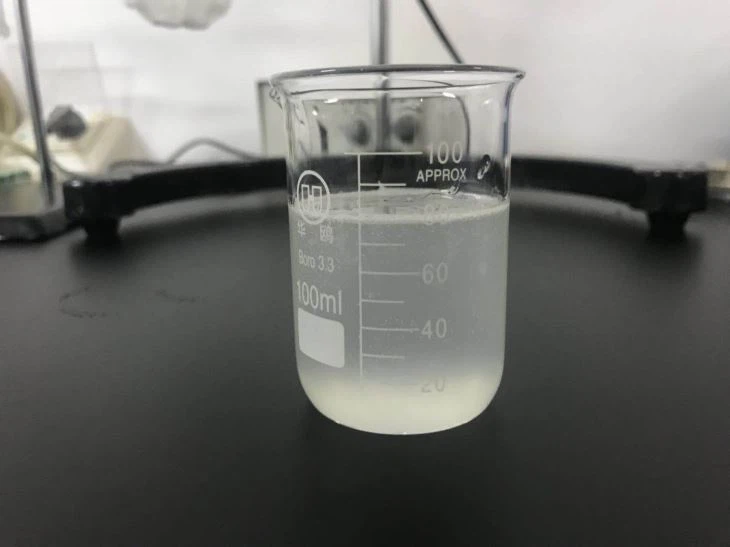
If you're interested in discussing potential purchases or have any questions about our coco glucose products, feel free to get in touch. We can have a chat about the different options available and how they can fit into your business needs.
References:
- Islamic scholars' teachings on halal products
- Industry reports on coco glucose production
- Halal certification guidelines from recognized organizations