


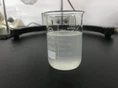

As a trusted supplier of APG425N, I've encountered various issues that customers often face. In this blog, I'll delve into the common problems associated with APG425N and offer practical solutions to address them.
Problem 1: Foaming Issues
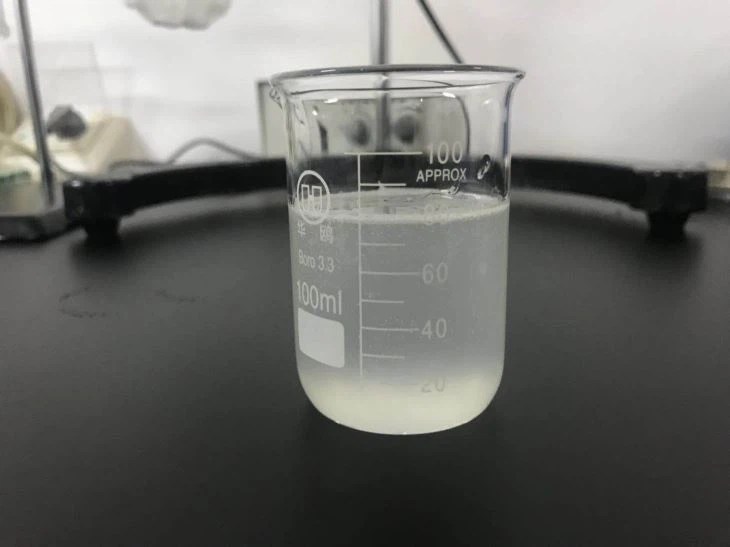
One frequent problem users encounter with APG425N is excessive or insufficient foaming. Excessive foaming can be a nuisance, especially in industrial applications where it can lead to overflow and operational inefficiencies. On the other hand, insufficient foaming may indicate that the product is not performing as expected, which can affect the quality of the end - product.
Causes
- Concentration: If the concentration of APG425N in the solution is too high, it can lead to excessive foaming. Conversely, a very low concentration may result in inadequate foaming.
- Water Quality: Hard water contains minerals such as calcium and magnesium ions, which can react with APG425N and reduce its foaming ability.
Solutions
- Adjust Concentration: Conduct small - scale tests to determine the optimal concentration of APG425N for your specific application. Start with a lower concentration and gradually increase it until the desired foaming level is achieved.
- Water Treatment: Use water softeners or additives to remove or reduce the concentration of minerals in hard water. This can enhance the foaming performance of APG425N.
Problem 2: Compatibility Issues
APG425N may not be compatible with certain chemicals or materials. This can lead to issues such as precipitation, phase separation, or reduced efficacy.
Causes
- Chemical Reactions: Some chemicals may react with APG425N, causing it to break down or form insoluble compounds.
- Material Incompatibility: APG425N may not adhere well to certain materials, leading to poor performance in applications such as coatings or adhesives.
Solutions
- Compatibility Testing: Before using APG425N in combination with other chemicals or materials, conduct compatibility tests. This can involve mixing small amounts of APG425N with the other substances and observing for any signs of reaction or incompatibility.
- Alternative Formulations: If compatibility issues persist, consider using alternative formulations or additives that can improve the compatibility of APG425N with other components. For example, APG 0814/coco Glucoside/CAS:141464 - 42 - 8 may have different compatibility characteristics and could be a suitable alternative in some cases.
Problem 3: Shelf - Life and Stability
Over time, APG425N may experience changes in its physical and chemical properties, which can affect its performance.
Causes
- Temperature and Humidity: High temperatures and humidity can accelerate the degradation of APG425N. Oxidation and hydrolysis reactions may occur, leading to a decrease in its quality.
- Contamination: If APG425N is contaminated with foreign substances during storage or handling, it can also affect its stability.
Solutions
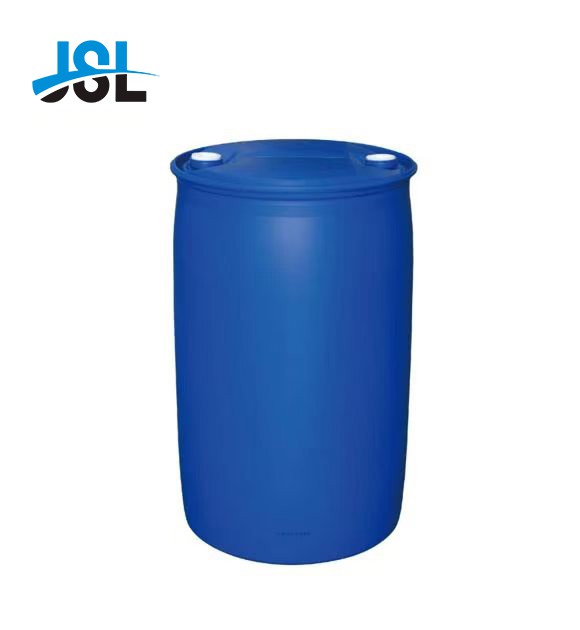
- Proper Storage: Store APG425N in a cool, dry place away from direct sunlight. Keep the containers tightly sealed to prevent moisture and oxygen from entering.
- Quality Control: Implement strict quality control measures during storage and handling. Regularly check the quality of APG425N to ensure that it meets the required specifications.
Problem 4: Viscosity Issues
The viscosity of APG425N can be a problem in some applications. If the viscosity is too high, it can make the product difficult to handle and pump. If it is too low, it may not provide the necessary thickening or binding properties.
Causes
- Concentration and Temperature: As with foaming, the concentration of APG425N in the solution can affect its viscosity. Higher concentrations generally result in higher viscosities. Temperature also plays a role, as lower temperatures can increase the viscosity of APG425N.
- Additives: The presence of certain additives can either increase or decrease the viscosity of APG425N.
Solutions
- Temperature Control: Adjust the temperature of the APG425N solution to achieve the desired viscosity. For example, if the viscosity is too high, gently heating the solution can lower it.
- Additive Selection: Carefully select additives based on their effect on viscosity. Some additives can be used to increase viscosity, while others can be used to decrease it.
Problem 5: Performance in Different pH Environments
APG425N may not perform optimally in all pH environments. Extreme pH values can affect its stability and efficacy.
Causes
- Chemical Structure: The chemical structure of APG425N is sensitive to pH changes. At very high or very low pH values, it may undergo chemical reactions that reduce its performance.
Solutions
- pH Adjustment: Measure the pH of the solution containing APG425N and adjust it to the optimal range. This can be done using pH buffers or acids/bases.
- pH - Stable Formulations: Consider using pH - stable formulations of APG425N or additives that can protect it from the adverse effects of extreme pH values.
Conclusion
While APG425N is a versatile and useful product, it is not without its challenges. By understanding the common problems associated with APG425N and implementing the appropriate solutions, you can ensure its optimal performance in your applications.
As a leading supplier of APG425N, we are committed to providing high - quality products and excellent customer service. If you have any further questions about APG425N or need assistance with solving specific problems, please feel free to contact us for more information and to discuss your procurement needs. We also offer related products such as APG 0814/coco Glucoside/CAS:141464 - 42 - 8 and Decyl Glucoside APG 2000UP, which may be suitable for your specific requirements.
References
- "Surfactant Science and Technology" by Milton J. Rosen and Martin J. Kunjappu.
- Industry reports on alkyl polyglucosides and their applications.