



Hey there! As a supplier of APG0810, I often get asked whether this product can be used in the industrial automation field. Well, let's dig into this topic and find out!
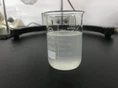
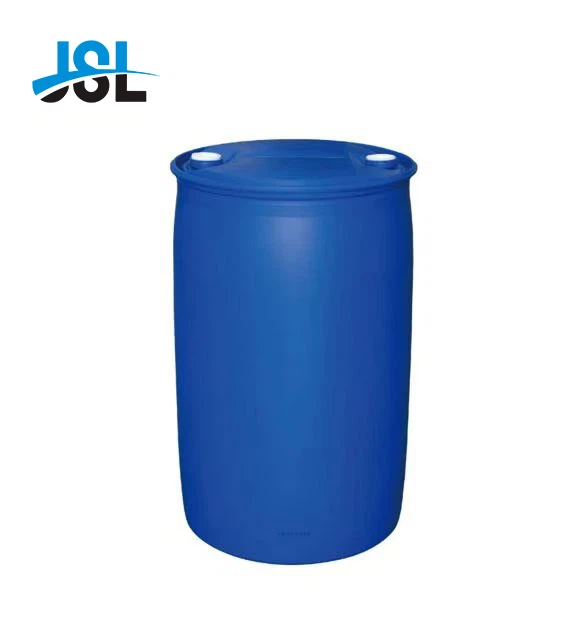
First off, what the heck is APG0810? APG0810, also known as decyl glucoside with the CAS number 68515 - 73 - 1, is a type of alkyl polyglucoside. It's derived from renewable raw materials like fatty alcohols and glucose, making it an environmentally - friendly and biodegradable option. You can check out more details about it on this page: APG 0810/decyl Glucoside/CAS:68515 - 73 - 1.
Now, let's talk about industrial automation. Industrial automation is all about using control systems, such as computers or robots, and information technologies to handle different processes and machinery in an industry. It aims to increase efficiency, reduce human error, and improve overall productivity. So, can APG0810 fit into this high - tech world?
Properties of APG0810
One of the key things to consider is the properties of APG0810. It has excellent surface - active properties. This means it can reduce the surface tension of liquids, which is super useful in many industrial processes. For example, in some automated cleaning processes within industrial settings, APG0810 can be used as a surfactant. Surfactants help in wetting, emulsifying, and dispersing substances. In automated cleaning machines, APG0810 can make the cleaning agents spread more evenly on the surfaces to be cleaned, enhancing the cleaning efficiency.
Another great property of APG0810 is its mildness. It's non - toxic and non - irritating to the skin and eyes. This is a huge advantage in industrial automation, especially when there are chances of human - machine interaction. Workers don't have to worry about getting exposed to harmful chemicals during the operation and maintenance of automated systems.
Applications in Industrial Automation
Cleaning and Maintenance
In the industrial automation field, equipment needs regular cleaning and maintenance to ensure smooth operation. APG0810 can be formulated into cleaning agents for automated cleaning systems. For instance, in the food and beverage industry, where hygiene is of utmost importance, automated conveyor belts and processing equipment need to be cleaned frequently. APG0810 - based cleaning agents can be used in the automated cleaning cycles. These agents can effectively remove dirt, grease, and other contaminants without leaving any harmful residues. You can learn more about a related product APG 0810H70DK/decyl Glucoside/CAS:68515 - 73 - 1/225DK, which might also be suitable for such applications.
Lubrication
In some automated machinery, lubrication is necessary to reduce friction between moving parts. APG0810 can be used as an additive in lubricants. Its surface - active properties can help in forming a thin, protective film on the surfaces of the moving parts. This film reduces wear and tear, extends the lifespan of the machinery, and ensures smooth operation. In automated assembly lines, where high - precision movements are required, proper lubrication is crucial. APG0810 - enhanced lubricants can contribute to the overall reliability of these systems.
Corrosion Protection
Industrial equipment is often exposed to harsh environments, which can lead to corrosion. APG0810 can be part of corrosion - protection coatings in automated coating processes. When applied on metal surfaces, it can form a barrier that prevents moisture and oxygen from reaching the metal, thus reducing the risk of corrosion. This is particularly important in industries like automotive manufacturing, where automated painting and coating lines are used to protect car bodies from rust and other forms of corrosion. You can find more information about a relevant variant APG 0810H60/220/decyl Glucoside/CAS:68515 - 73 - 1.
Challenges and Considerations
Of course, it's not all sunshine and rainbows. There are some challenges when using APG0810 in industrial automation. One of the main issues is its performance under extreme conditions. In high - temperature or high - pressure environments, the properties of APG0810 might change. For example, at very high temperatures, its surfactant activity might decrease, which could affect its cleaning or lubrication performance. So, when using APG0810 in such conditions, proper testing and formulation adjustments are needed.
Another consideration is compatibility. APG0810 needs to be compatible with other chemicals and materials used in the industrial automation processes. For example, in an automated chemical mixing process, it should not react negatively with other substances in the mixture. Otherwise, it could lead to unexpected chemical reactions, which might damage the equipment or affect the quality of the final product.
Conclusion
So, can APG0810 be used in the industrial automation field? The answer is a big yes! With its great properties like surface - activity, mildness, and biodegradability, it has a wide range of potential applications in cleaning, lubrication, and corrosion protection within industrial automation. However, we also need to be aware of the challenges and take appropriate measures to ensure its effective use.
If you're interested in using APG0810 in your industrial automation processes, I'd love to have a chat with you. We can discuss how it can be tailored to your specific needs and how to overcome any potential challenges. Don't hesitate to reach out for more information and start the procurement process.

References
- Surfactant Science and Technology, Third Edition by Warren R. Texter
- Industrial Automation Handbook by David A. Houtman