


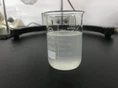

Hey there! As a supplier of APG 0814, I'm super excited to dive into the future research plans for this amazing product. APG 0814, also known as APG 0814/coco Glucoside/CAS:141464-42-8, has been making waves in various industries, and the potential for further exploration is huge.
First off, let's talk about what APG 0814 is. It's an alkyl polyglucoside, which is a type of non - ionic surfactant. These surfactants are known for being eco - friendly, biodegradable, and having low toxicity. APG 0814, in particular, has excellent foaming properties, good solubility, and is compatible with a wide range of other chemicals. It's used in a bunch of products like personal care items, household cleaners, and industrial applications.
One of the main future research areas for APG 0814 is in the field of personal care. We all know that consumers are becoming more aware of what they put on their skin and in their hair. They're looking for products that are not only effective but also safe and natural. APG 0814 fits the bill perfectly. Future research will focus on optimizing its performance in different personal care formulations. For example, we want to see how it can enhance the moisturizing properties of lotions and creams. Maybe by combining it with other natural ingredients, we can create a super - moisturizing formula that also has a nice, rich lather.
Another aspect is its use in shampoos and conditioners. APG 0814 can provide a gentle cleansing action, which is great for people with sensitive scalps. But we want to dig deeper and find out how to make it even more effective at removing dirt and oil while still being gentle. We might explore different ratios of APG 0814 with other surfactants to create the perfect balance. And we're also interested in how it can contribute to hair repair and strengthening. There's a possibility that it could help in preventing hair breakage and improving hair elasticity.
In the household cleaning sector, APG 0814 has already proven to be a valuable ingredient. It can be used in dishwashing liquids, laundry detergents, and all - purpose cleaners. Future research will aim to improve its cleaning power. For instance, we want to see if we can make it more effective at removing tough stains like grease and oil. We'll also look into how it can work better in hard water conditions. Hard water can sometimes reduce the effectiveness of surfactants, but APG 0814 has the potential to overcome this issue. By conducting more research, we can develop formulations that are more efficient and cost - effective for consumers.
Industrial applications of APG 0814 are also a big area of focus. It's used in things like metal cleaning, textile processing, and oilfield chemicals. In metal cleaning, we're interested in how APG 0814 can be used to replace more harmful and less environmentally friendly solvents. We want to study its ability to remove rust and other contaminants from metal surfaces without causing damage. In textile processing, it can be used as a wetting agent and a detergent. Future research will explore how to improve its performance in these areas, such as increasing its wetting speed and reducing the amount of water needed in the process.
When it comes to oilfield chemicals, APG 0814 can be used in enhanced oil recovery. We'll be researching how to optimize its use in this application. For example, we want to find out the best concentration and formulation to increase the efficiency of oil extraction. This could have a significant impact on the oil and gas industry, making the extraction process more sustainable and cost - effective.
Now, let's talk about some of the technical aspects of the research. We'll be using advanced analytical techniques to study the properties of APG 0814 at a molecular level. This will help us understand how it interacts with other substances and how we can modify its structure to improve its performance. We'll also be conducting a lot of field trials. In the personal care industry, we'll have volunteers test out new formulations to get real - world feedback. In the household cleaning and industrial sectors, we'll work with companies to test the products in actual working environments.
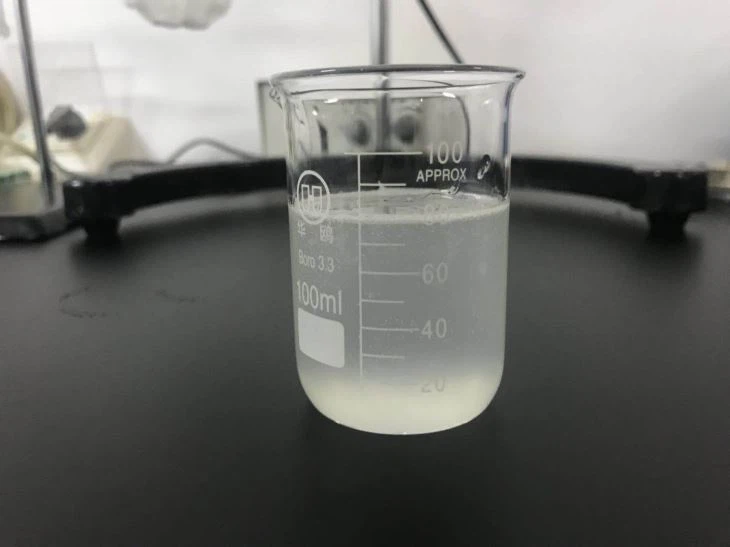
We're also looking into the potential of Decyl Glucoside APG 2000UP and Decyl Glucoside APG 2000UP, which are related products. These could have unique properties that can be combined with APG 0814 to create even better formulations. Maybe they can enhance the foaming properties or the stability of the final product.
In addition to performance - related research, we'll also be looking at the environmental impact of APG 0814. Although it's already known to be biodegradable, we want to make sure that its production and use are as sustainable as possible. We'll study the life - cycle assessment of APG 0814, from the raw materials extraction to the end - of - life disposal. This will help us identify areas where we can reduce our carbon footprint and make the whole process more environmentally friendly.
We're also planning to collaborate with other research institutions and companies. By working together, we can share knowledge and resources. This will speed up the research process and lead to more innovative solutions. For example, we might partner with a university to use their advanced research facilities and expertise in chemistry. And we could team up with other suppliers to explore new applications and formulations.
If you're interested in learning more about APG 0814 or have any ideas for potential research collaborations, don't hesitate to reach out. Whether you're in the personal care, household cleaning, or industrial sector, we're here to help you find the best solutions. Our team is always ready to discuss your needs and see how APG 0814 can fit into your products. So, if you're thinking about using APG 0814 in your formulations or want to be part of our exciting research journey, just get in touch. We're looking forward to working with you to unlock the full potential of APG 0814.
References
- Surfactant Science and Technology, Third Edition by Milton J. Rosen and Dennis L. Kunjappu
- Handbook of Detergents, Part F: Production by M. Sittig
- Journal of Surfactants and Detergents, various issues related to alkyl polyglucosides