





Hey there! As a supplier of coco glucose, I'm super stoked to dive into the optical properties of this amazing substance with you. Coco glucose, also known as coco glucoside, is a natural surfactant derived from coconut oil and glucose. It's widely used in various industries, especially in personal care products, due to its mildness and excellent performance.
Let's start by talking about what optical properties actually mean. Optical properties refer to how a material interacts with light. This includes things like absorption, reflection, refraction, and transmission. Understanding these properties can give us insights into how coco glucose behaves in different applications and environments.
Absorption of Light
One of the key optical properties to consider is light absorption. Coco glucose, in its pure form, typically has a very low absorption of visible light. This means that it appears clear or colorless, which is a huge advantage in many cosmetic and personal care formulations. For example, when used in shampoos, conditioners, or body washes, a clear and colorless coco glucose won't alter the color of the final product. It allows formulators to create products with consistent and appealing aesthetics.
In the UV - visible spectrum, coco glucose may absorb some ultraviolet light. This can be beneficial in certain applications, such as in sunscreens or products that need to provide some level of UV protection. The absorption of UV light can help prevent damage to other ingredients in the formulation and also offer a bit of protection to the skin. However, the exact absorption characteristics can vary depending on the purity and specific composition of the coco glucose.
Reflection and Refraction
Reflection and refraction are also important optical phenomena. When light hits a surface of a solution containing coco glucose, a certain amount of light is reflected. The degree of reflection depends on factors like the concentration of coco glucose and the surface smoothness. In most cases, the reflection is relatively low, which is good for products where you don't want a shiny or reflective appearance.
Refraction occurs when light passes through a medium with a different refractive index. Coco glucose has a refractive index that is slightly different from water. This property can be useful in formulating emulsions. For instance, in a lotion or cream, the refraction of light can affect the way the product appears on the skin. A well - formulated product with the right amount of coco glucose can have a smooth and non - greasy look, thanks in part to its refractive properties.
Transmission of Light
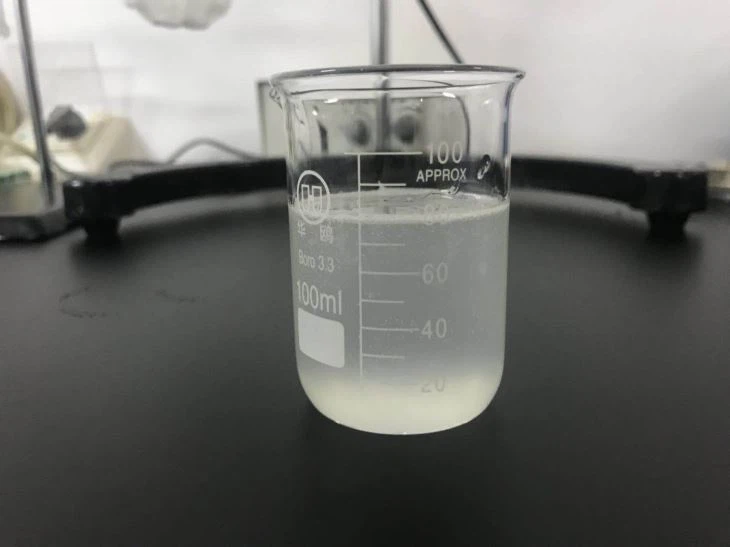
Coco glucose has a high transmission of visible light. This means that light can pass through it easily. In products like transparent gels or serums, this property is crucial. It allows the product to maintain its transparency, which is often a desirable characteristic for consumers. High light transmission also means that the product won't look cloudy or hazy, enhancing its overall visual appeal.
Applications Based on Optical Properties
The optical properties of coco glucose make it a versatile ingredient in many industries. In the cosmetic industry, as mentioned earlier, its clear and colorless nature is ideal for creating products with a clean and natural look. Whether it's a facial cleanser, a makeup remover, or a hair styling product, coco glucose won't interfere with the color or appearance of the final formulation.
In the food industry, coco glucose can be used in certain applications where its optical properties play a role. For example, in clear beverages or food products with a transparent appearance, it can be used as an emulsifier or stabilizer without altering the visual quality of the product.
Quality and Optical Properties
The quality of coco glucose can have a significant impact on its optical properties. High - quality coco glucose will have a more consistent and predictable behavior in terms of light absorption, reflection, refraction, and transmission. As a supplier, we take great care in ensuring the purity and quality of our coco glucose. We use advanced manufacturing processes and strict quality control measures to guarantee that our customers get a product with excellent optical properties.
If you're looking for high - quality coco glucose, we offer a range of products, including APG 0814/coco Glucoside/CAS:141464 - 42 - 8 and APG 0814/coco Glucoside/CAS:141464 - 42 - 8. These products are known for their superior optical properties and are suitable for a wide range of applications. Another great option is Decyl Glucoside APG 2000UP, which also has excellent optical characteristics.
Impact of Impurities on Optical Properties
Impurities in coco glucose can have a negative impact on its optical properties. Even small amounts of impurities can cause the product to appear cloudy or have a slightly off - color. This is why purity is so important. At our company, we go the extra mile to remove any impurities during the manufacturing process. We conduct thorough testing to ensure that our coco glucose meets the highest standards of purity, which in turn guarantees consistent and desirable optical properties.
Interaction with Other Ingredients
When coco glucose is used in a formulation, it can interact with other ingredients, and this can also affect its optical properties. For example, if it's mixed with a pigment or a colored ingredient, the overall color and appearance of the product will change. However, coco glucose's low absorption of visible light means that it won't significantly distort the color of the added pigment.
In an emulsion, the interaction between coco glucose and the oil and water phases can influence the way light is transmitted and reflected. A well - balanced formulation can result in a product with a smooth and uniform appearance, thanks to the proper interaction of coco glucose with other components.
Conclusion
In conclusion, the optical properties of coco glucose are quite remarkable. Its low absorption of visible light, high transmission, and favorable reflection and refraction characteristics make it an ideal ingredient for a wide range of applications. Whether you're in the cosmetic, food, or other industries, coco glucose can bring both functional and aesthetic benefits to your products.
As a supplier, we're committed to providing you with the best coco glucose products on the market. Our products are not only of high quality but also have excellent optical properties. If you're interested in learning more about our coco glucose offerings or have any questions regarding its optical properties and applications, don't hesitate to reach out. We'd love to discuss your specific needs and help you find the perfect coco glucose solution for your business. Let's start a conversation and see how we can work together to create amazing products!
References
- "Surfactants in Cosmetics" by Ronald J. Davids
- "Food Emulsions and Foams: Interfaces, Interactions, and Stability" by Eric Dickinson
- "Optical Properties of Polymers: Modeling and Measurement" by Edward L. Thomas