




As a supplier of coco glycoside, I've witnessed firsthand the growing demand for this versatile and eco - friendly ingredient. Coco glycoside, also known as alkyl polyglucoside (APG), is widely used in various industries, including personal care, household cleaning, and industrial applications, due to its excellent surface - active properties, biodegradability, and low toxicity. However, like any chemical product, coco glycoside is subject to a range of regulatory requirements that must be met to ensure its safe use and marketability. In this blog post, I'll explore the key regulatory requirements for coco glycoside and how they impact our business as a supplier.
Global Regulatory Landscape
The regulatory requirements for coco glycoside vary from country to country and region to region. Some of the most significant regulatory bodies and standards that affect the production, distribution, and use of coco glycoside include:
European Union (EU)
The EU has some of the most comprehensive and strict regulations regarding chemical substances. The REACH (Registration, Evaluation, Authorization, and Restriction of Chemicals) regulation is a cornerstone of chemical management in the EU. Under REACH, manufacturers and importers of coco glycoside are required to register the substance if they produce or import more than 1 tonne per year. This involves providing detailed information on the substance's properties, uses, and potential risks to human health and the environment.
In addition to REACH, coco glycoside used in cosmetic products must comply with the EU Cosmetics Regulation. This regulation sets strict limits on the use of certain ingredients, ensures proper labeling, and requires safety assessments for all cosmetic products. For example, the Cosmetics Regulation mandates that all ingredients in a cosmetic product must be listed on the label, including coco glycoside, and that the product must be safe for consumers under normal or reasonably foreseeable conditions of use.
United States
In the United States, the Environmental Protection Agency (EPA) and the Food and Drug Administration (FDA) play key roles in regulating coco glycoside. The EPA regulates coco glycoside under the Toxic Substances Control Act (TSCA). Manufacturers and importers of coco glycoside are required to report certain information about the substance to the EPA, such as its production volume, uses, and potential environmental and health effects.
For coco glycoside used in food - contact applications, the FDA has specific regulations. The FDA evaluates the safety of substances that come into contact with food and sets limits on their use. If coco glycoside is used in a food - contact material, such as a food - grade cleaning agent, it must meet the FDA's requirements for food - contact substances.
Asia
Countries in Asia, such as China, Japan, and South Korea, also have their own regulatory frameworks for coco glycoside. In China, the Ministry of Ecology and Environment and the National Medical Products Administration are involved in regulating chemical substances and cosmetic products respectively. Chinese regulations require manufacturers to obtain relevant licenses and approvals for the production and sale of coco glycoside, especially in the cosmetic and food - related industries.
Japan has its own chemical management system, and coco glycoside used in consumer products must comply with Japanese safety standards. South Korea also has regulations governing the use of coco glycoside in various industries, including cosmetics and household products.
Specific Regulatory Requirements for Coco Glycoside
Purity and Quality Standards
One of the fundamental regulatory requirements for coco glycoside is related to its purity and quality. Different applications may have different purity requirements. For example, in high - end cosmetic products, a higher purity of coco glycoside is often required to ensure product safety and performance.
Regulatory bodies may set limits on impurities such as heavy metals (e.g., lead, mercury, cadmium), residual solvents, and other potentially harmful substances. As a supplier, we are committed to producing coco glycoside that meets or exceeds these purity standards. Our production processes are designed to minimize the presence of impurities, and we conduct regular quality control tests to ensure the consistency and quality of our products.
Labeling and Packaging
Proper labeling and packaging are crucial regulatory requirements for coco glycoside. Labels must provide accurate information about the product, including its chemical name (e.g., APG 0814/coco Glucoside/CAS:141464 - 42 - 8), concentration, batch number, and expiration date. In addition, labels must include safety information, such as hazard warnings, first - aid measures, and handling instructions.
The packaging of coco glycoside must also be suitable for the product. It should prevent leakage, contamination, and degradation of the substance. For example, coco glycoside should be stored in a cool, dry place, and the packaging should be made of materials that are compatible with the product to avoid chemical reactions.
Safety Data Sheets (SDS)
Safety Data Sheets are another important regulatory requirement. An SDS provides detailed information about the properties, hazards, handling, storage, and emergency procedures for coco glycoside. Suppliers are required to provide an up - to - date SDS to their customers, and the SDS must comply with the relevant national and international standards.
The SDS for coco glycoside typically includes information on its physical and chemical properties, such as appearance, odor, solubility, and pH. It also provides information on its potential health effects, including acute and chronic toxicity, skin and eye irritation, and allergic reactions. In addition, the SDS includes information on environmental hazards, such as its biodegradability and potential impact on aquatic life.
Impact on Our Business as a Supplier
The regulatory requirements for coco glycoside have a significant impact on our business. On one hand, these regulations ensure the safety and quality of our products, which is essential for building trust with our customers. By complying with the regulations, we can offer high - quality coco glycoside that meets the needs of various industries.

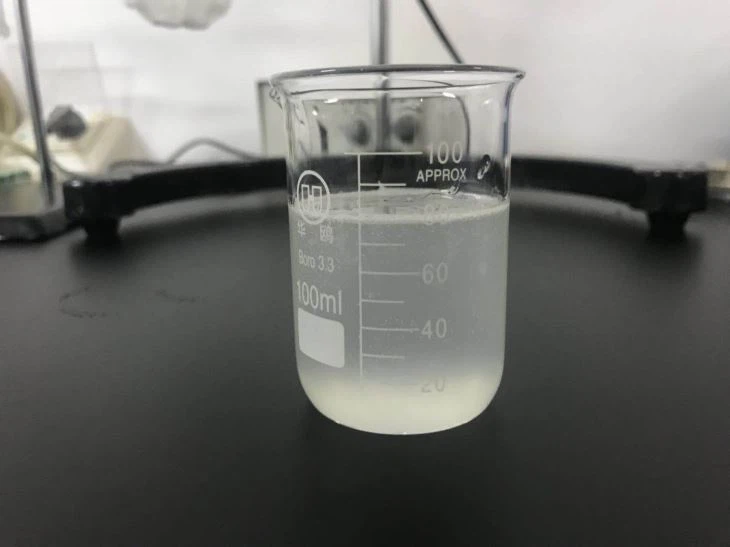
On the other hand, meeting these regulatory requirements also involves significant costs and efforts. We need to invest in research and development to ensure that our production processes are in line with the latest regulatory standards. This may include upgrading our equipment, improving our quality control systems, and conducting regular safety assessments.
We also need to stay updated on the changing regulatory landscape. As new regulations are introduced or existing regulations are amended, we need to adapt our business practices accordingly. This requires continuous monitoring of regulatory developments and close communication with regulatory authorities.
Our Product Portfolio
We offer a wide range of coco glycoside products to meet the diverse needs of our customers. One of our popular products is Decyl Glucoside APG 2000UP, which is known for its excellent foaming properties, mildness, and biodegradability. This product is widely used in personal care products, such as shampoos, body washes, and facial cleansers.
Another product in our portfolio is APG 0814/coco Glucoside/CAS:141464 - 42 - 8. It is a versatile ingredient that can be used in a variety of applications, including household cleaning products, industrial detergents, and agricultural formulations.
Contact Us for Procurement
If you are interested in purchasing coco glycoside products, we would be delighted to discuss your requirements. Our team of experts can provide you with detailed information about our products, including their specifications, applications, and regulatory compliance. We are committed to providing high - quality products and excellent customer service. Whether you are a small - scale manufacturer or a large - scale distributor, we can offer you competitive prices and reliable supply. Contact us today to start a fruitful business relationship.
References
- European Chemicals Agency (ECHA). "REACH Regulation."
- U.S. Environmental Protection Agency (EPA). "Toxic Substances Control Act (TSCA)."
- U.S. Food and Drug Administration (FDA). "Regulations for Food - Contact Substances."
- Ministry of Ecology and Environment of China. "Chemical Substance Regulations in China."
- Japanese Ministry of Health, Labour and Welfare. "Chemical Management System in Japan."
- Ministry of Food and Drug Safety of South Korea. "Regulations for Consumer Products in South Korea."