




Hey there! As a decyl glucose supplier, I've had my fair share of questions about what chemicals play nice with decyl glucose. Decyl glucose, also known as decyl glucoside, is a really popular ingredient, especially in the personal care and cleaning product industries. It's derived from natural sources like coconut and palm kernel oil, and it's known for being gentle, biodegradable, and having good foaming properties. So, let's dive into the world of chemical compatibility with decyl glucose.
First off, it's super important to understand that when we talk about chemical compatibility, we're looking at whether two or more chemicals can be mixed together without causing any unwanted reactions. These reactions could range from a simple change in appearance, like cloudiness or precipitation, to more serious issues like the release of harmful gases or a decrease in the effectiveness of the product.
One of the great things about decyl glucose is that it's compatible with a wide range of other chemicals. For instance, it works really well with non - ionic surfactants. Non - ionic surfactants are a type of surface - active agent that don't carry an electrical charge. They're often used in cleaning products because they're gentle and can help to reduce the surface tension of water, making it easier to clean. Some common non - ionic surfactants that are compatible with decyl glucose include fatty alcohol ethoxylates. These are used in laundry detergents, dishwashing liquids, and all - purpose cleaners. When combined with decyl glucose, they can enhance the cleaning power and foaming ability of the product.
Another group of chemicals that are compatible with decyl glucose are amphoteric surfactants. Amphoteric surfactants have both positive and negative charges, depending on the pH of the solution. They're known for their mildness and are often used in personal care products like shampoos, body washes, and facial cleansers. Cocamidopropyl betaine is a well - known amphoteric surfactant that pairs nicely with decyl glucose. Together, they can create a gentle and effective cleansing formula that's suitable for sensitive skin.
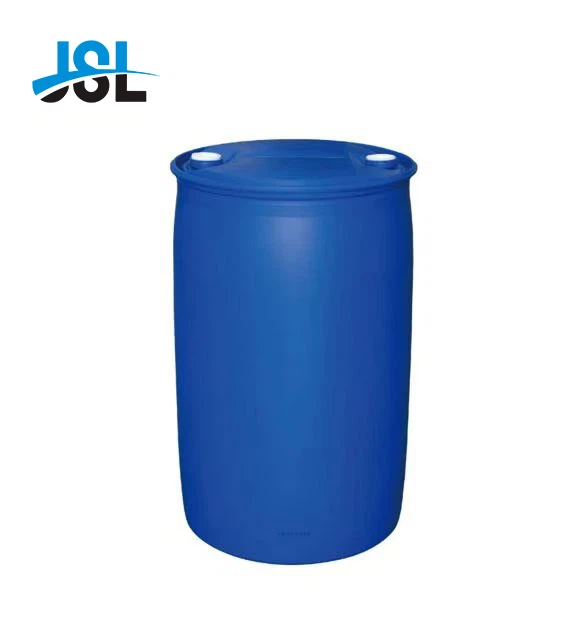
Now, let's talk about some specific products we offer. We have Caprylyl/Decyl Glucoside APG 8170, which is a high - quality alkyl polyglucoside. It's a great choice for formulators who are looking for a natural and biodegradable surfactant. This product is compatible with a variety of chemicals, including the ones we've mentioned above. It can be used in a wide range of applications, from household cleaning to personal care.
Our Caprylyl/Decyl Glucoside APG215 CS UP is another excellent option. It has a high purity level and is very stable in different pH conditions. This makes it even more versatile when it comes to chemical compatibility. You can mix it with other ingredients to create products with different properties, whether you're aiming for a high - foaming body wash or a low - foam laundry detergent.
And then there's APG 0810H60/220/decyl Glucoside/CAS:68515 - 73 - 1. This product is well - suited for both industrial and consumer applications. It's compatible with a lot of different chemicals, which gives formulators more flexibility in creating unique products.
However, there are also some chemicals that you need to be careful with when using decyl glucose. For example, strong acids and bases can potentially cause problems. Decyl glucose is generally stable in a pH range of about 4 - 10. If the pH goes outside of this range, it might start to break down or react with other chemicals in the solution. So, when formulating a product, it's crucial to keep the pH in check.
Oxidizing agents can also be a concern. Oxidizing agents are chemicals that can cause other substances to lose electrons. They can react with decyl glucose and change its chemical structure, which can lead to a decrease in its effectiveness. Examples of oxidizing agents include hydrogen peroxide and sodium hypochlorite. If you need to use an oxidizing agent in your product, you'll need to do some careful testing to make sure it's compatible with decyl glucose.
In the personal care industry, decyl glucose is often combined with various additives like fragrances, preservatives, and thickeners. Most common fragrances are compatible with decyl glucose, but it's always a good idea to test a small batch first. Preservatives are important to prevent the growth of bacteria and fungi in the product. Some common preservatives like phenoxyethanol and methylisothiazolinone are generally compatible with decyl glucose, but again, testing is key. Thickeners, such as xanthan gum or carbomers, can be added to increase the viscosity of the product. These are also usually compatible with decyl glucose, but you need to make sure they don't cause any phase separation or other issues.
In the cleaning industry, decyl glucose can be mixed with builders. Builders are chemicals that help to improve the cleaning power of detergents by softening the water and preventing the redeposition of dirt. Common builders like sodium carbonate and sodium tripolyphosphate are often compatible with decyl glucose. They can work together to create a more effective cleaning solution.
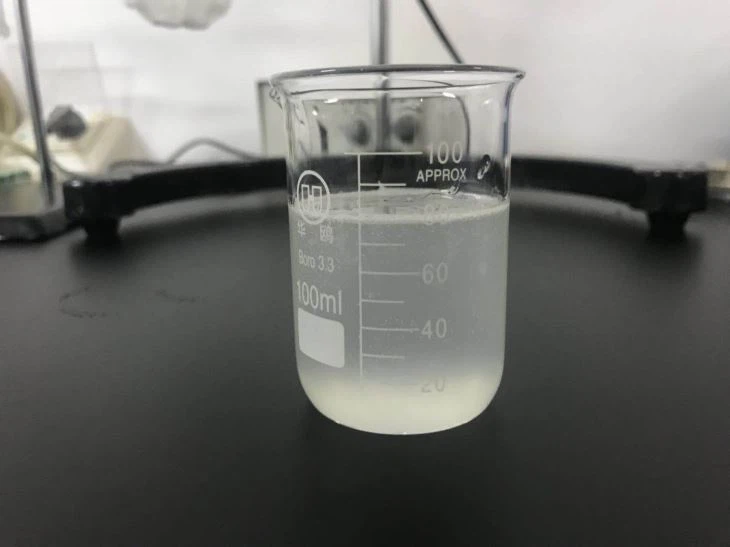
When it comes to formulating products with decyl glucose, it's always a good idea to start with small - scale tests. This way, you can quickly identify any compatibility issues before you start producing large batches. You can also consult with a chemist or a technical expert if you're unsure about a particular chemical combination.
If you're in the business of formulating personal care products, cleaning products, or any other products that could benefit from the use of decyl glucose, I'd love to hear from you. We have a wide range of decyl glucose products, like the ones I've mentioned above, that can meet your specific needs. Whether you're looking for a high - purity product or one with specific performance characteristics, we've got you covered.
So, if you're interested in learning more about our decyl glucose products or want to discuss chemical compatibility further, don't hesitate to reach out. We can have a chat about your project and help you find the best solutions. Let's work together to create amazing products that are both effective and environmentally friendly.
References
- McCutcheon's Emulsifiers and Detergents, annual editions.
- Surfactant Science Series, various volumes.
- Journal of Surfactants and Detergents, multiple issues.