





When it comes to industrial equipment and chemical products, understanding power consumption is crucial for both cost - effectiveness and environmental considerations. As a supplier of APG425N, I am often asked about the power consumption of this product. In this blog post, I will delve into the factors that influence the power consumption of APG425N and provide a comprehensive analysis.
What is APG425N?
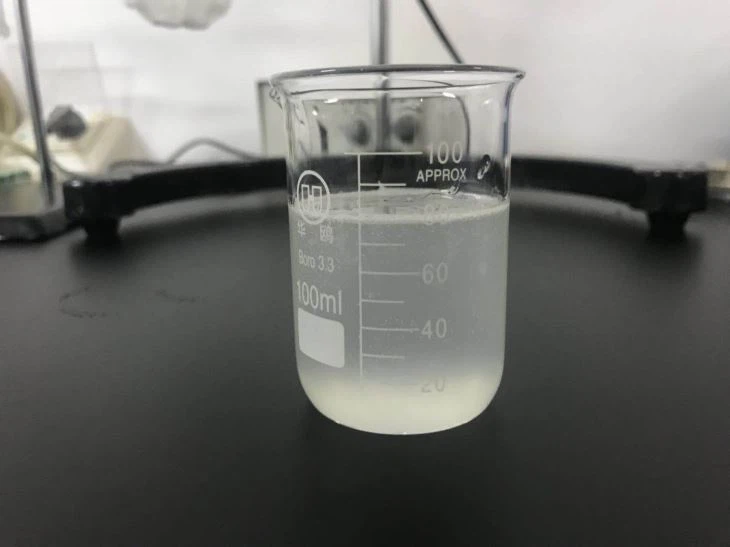
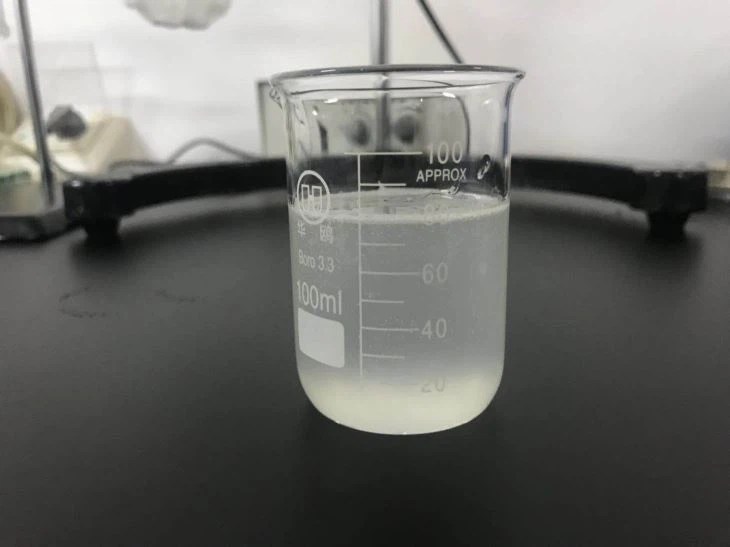
APG425N belongs to the family of alkyl polyglucosides (APGs), which are non - ionic surfactants derived from renewable raw materials such as fatty alcohols and glucose. These surfactants are known for their excellent surface - active properties, biodegradability, and low toxicity. APG425N specifically has a wide range of applications in various industries, including household cleaning products, personal care products, and industrial cleaning agents.
You can find more detailed information about related products like APG 0814N/425N/coco Glucoside/CAS:141464 - 42 - 8.
Factors Affecting the Power Consumption of APG425N
1. Production Process
The power consumption of APG425N starts from its production process. The synthesis of APG425N involves several steps, including the reaction between fatty alcohols and glucose under specific conditions. The reaction usually requires heating and agitation to ensure a complete and efficient reaction. The power used for heating the reaction vessels and operating the agitators accounts for a significant portion of the overall power consumption during production.
The temperature control in the reaction process is critical. Higher reaction temperatures may speed up the reaction rate but also increase power consumption. Additionally, the type of heating equipment used, such as steam - heated or electrically - heated reactors, can also affect power consumption. Electrically - heated reactors generally consume more electricity directly, while steam - heated reactors may have lower direct electrical power consumption but require additional energy for steam generation.
2. Concentration and Purity Requirements
The desired concentration and purity of APG425N also impact power consumption. If a higher concentration or purity of the product is required, additional purification steps such as distillation, filtration, or chromatography may be necessary. These purification processes often consume a considerable amount of power.
For example, distillation involves heating the mixture to separate different components based on their boiling points. The power required for heating the distillation column and operating the associated pumps and condensers can be substantial. Filtration processes may use high - pressure pumps to force the liquid through filters, which also contribute to power consumption.
3. Scale of Production
The scale of APG425N production has a direct relationship with power consumption. Larger - scale production facilities generally have more efficient equipment and better energy management systems, which can lead to lower power consumption per unit of product. However, they also consume more total power due to the higher production volume.
Small - scale production may have less efficient equipment and a higher power - to - output ratio. For instance, a small - batch reactor may not have the same level of insulation as a large - scale one, resulting in more heat loss and higher power consumption for maintaining the reaction temperature.
Measuring the Power Consumption of APG425N
To accurately measure the power consumption of APG425N, it is necessary to consider both direct and indirect power consumption. Direct power consumption refers to the electricity used directly in the production process, such as the power for operating reactors, pumps, and mixers. Indirect power consumption includes the power used for supporting processes, such as water treatment, ventilation, and lighting in the production facility.
Power meters can be installed at key points in the production process to measure the electricity consumption of individual equipment. By collecting and analyzing this data over a period of time, it is possible to establish a power consumption profile for APG425N production. This profile can then be used to identify areas where power consumption can be reduced, such as optimizing equipment operation or improving insulation.
Comparison with Other Similar Products
When comparing the power consumption of APG425N with other similar surfactants, it is important to consider the overall performance and environmental impact. Some traditional surfactants may have lower power consumption during production but may be less biodegradable and more toxic.
APG425N, on the other hand, has a relatively higher power consumption in some cases due to its production process from renewable raw materials. However, its environmental advantages, such as biodegradability and low toxicity, make it a more sustainable choice in the long run.
For example, Decyl Glucoside APG 2000UP is another product in the APG family. It may have different power consumption characteristics depending on its specific production requirements and applications. You can also check Decyl Glucoside APG 2000UP for more information.
Strategies to Reduce Power Consumption
1. Process Optimization
One of the most effective ways to reduce the power consumption of APG425N is to optimize the production process. This can involve adjusting reaction conditions, such as temperature and pressure, to achieve a balance between reaction efficiency and power consumption. For example, using more efficient catalysts can lower the reaction temperature and reduce the energy required for heating.
Improving the design of equipment can also lead to significant power savings. For instance, using better - insulated reactors can reduce heat loss and lower the power needed for maintaining the reaction temperature. Additionally, upgrading pumps and mixers to more energy - efficient models can reduce the power consumption of these devices.
2. Energy Management Systems
Implementing energy management systems in the production facility can help monitor and control power consumption. These systems can collect data on power usage from different equipment and provide real - time feedback to operators. By analyzing this data, operators can identify abnormal power consumption patterns and take corrective actions.
For example, an energy management system can detect when a pump is consuming more power than usual, indicating a potential problem such as a clogged filter or a malfunctioning motor. Early detection and repair can prevent excessive power consumption and reduce maintenance costs.
Conclusion
The power consumption of APG425N is influenced by multiple factors, including the production process, concentration and purity requirements, and scale of production. While it may have a relatively higher power consumption compared to some traditional surfactants, its environmental advantages make it a valuable choice for sustainable development.
As a supplier of APG425N, we are committed to reducing the power consumption of our products through process optimization and the implementation of energy management systems. We believe that by continuously improving our production methods, we can not only reduce the environmental impact but also provide more cost - effective products to our customers.
If you are interested in purchasing APG425N or have any questions about its power consumption and other aspects, please feel free to contact us for further discussion and procurement negotiations.
References
- "Surfactant Science and Technology" by Warren R. Dierfeldt
- "Industrial Chemistry: Environmental and Technological Perspectives" by various authors