


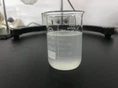



Hey there! As an alkyl glucoside supplier, I've been getting a lot of questions lately about the viscosity of alkyl glucoside solutions. So, I thought I'd take some time to break it down for you all.
First off, let's talk a bit about alkyl glucosides. These are non - ionic surfactants that are made from renewable raw materials like glucose and fatty alcohols. They're known for their excellent biodegradability, low toxicity, and good foaming properties, which makes them super popular in a whole bunch of industries, from personal care products to household cleaners.
Now, onto the main topic: viscosity. Viscosity is basically a measure of a fluid's resistance to flow. You can think of it like this: honey has a high viscosity because it flows really slowly, while water has a low viscosity because it flows easily.
The viscosity of alkyl glucoside solutions can vary quite a bit depending on several factors. One of the most important factors is the concentration of the alkyl glucoside in the solution. Generally speaking, as the concentration of alkyl glucoside goes up, the viscosity of the solution also increases. This is because there are more alkyl glucoside molecules in the solution, and they start to interact with each other more, making it harder for the solution to flow.
For example, if you have a very dilute alkyl glucoside solution, say with a concentration of just a few percent, it might have a viscosity similar to water. But if you increase the concentration to 20% or 30%, the solution will become thicker and flow more slowly.
Another factor that affects viscosity is the temperature. Just like with most fluids, the viscosity of alkyl glucoside solutions decreases as the temperature increases. When you heat up a solution, the molecules start to move around more quickly, and they can slide past each other more easily. So, if you have a thick alkyl glucoside solution at room temperature, heating it up will make it thinner and more runny.
The chain length of the alkyl group in the alkyl glucoside also plays a role. Alkyl glucosides with longer alkyl chains tend to form solutions with higher viscosities. This is because the longer chains can entangle with each other more easily, creating a more viscous structure.
Now, let's talk about some real - world implications of the viscosity of alkyl glucoside solutions. In the personal care industry, for example, the viscosity of a product can affect how it feels on the skin and how easy it is to apply. A shampoo with the right viscosity will pour out of the bottle smoothly but won't be too runny, so it stays on your hair where you want it. In household cleaning products, viscosity can also be important. A thick cleaning solution might stick to vertical surfaces better, allowing it to work longer on tough stains.
If you're in the market for alkyl glucosides, we offer a range of high - quality products. Check out our APG 0810/decyl Glucoside/CAS:68515 - 73 - 1. This product is known for its good performance and is widely used in various applications. We also have Caprylyl/Decyl Glucoside APG215 CS UP, which is another great option with specific properties that make it suitable for different needs. And don't forget about APG 0810H70DK/decyl Glucoside/CAS:68515 - 73 - 1/225DK, a popular choice among our customers.
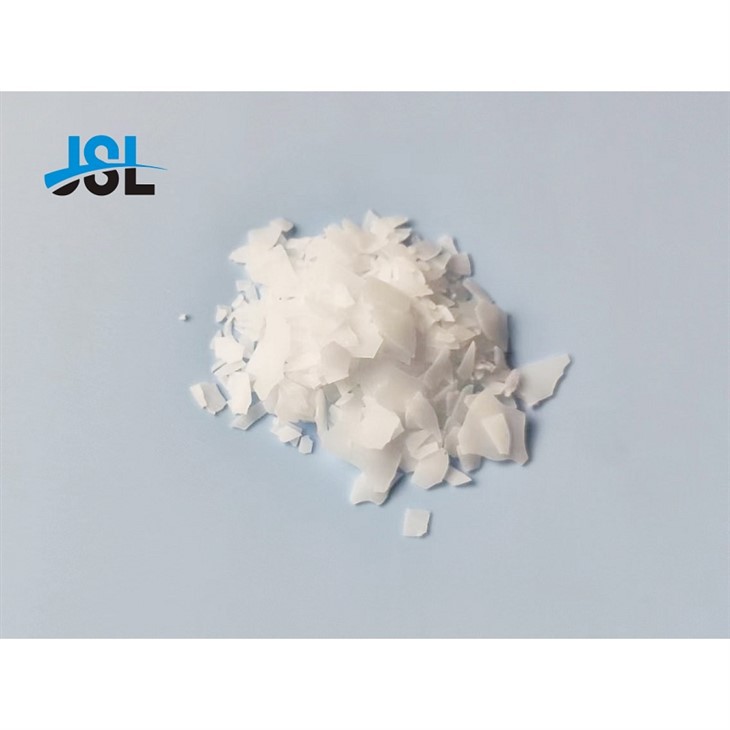

Understanding the viscosity of alkyl glucoside solutions is crucial for formulators. It helps them create products with the right texture and performance. If you're a formulator, you might want to do some tests with different concentrations and temperatures to find the sweet spot for your specific application.
We're always here to help you with your alkyl glucoside needs. Whether you're just starting out and need some advice on which product to choose or you're an experienced formulator looking for a reliable supplier, we've got you covered. If you're interested in learning more about our products or have any questions about the viscosity of alkyl glucoside solutions, feel free to reach out to us. We can have a chat about your requirements and see how we can work together to get you the best alkyl glucoside solutions for your business.
In conclusion, the viscosity of alkyl glucoside solutions is a complex but important aspect. By understanding the factors that affect it, you can make better - informed decisions when it comes to using alkyl glucosides in your products. So, don't hesitate to get in touch and start exploring the world of alkyl glucosides with us!
References
- "Surfactants in Solution" by K. L. Mittal. This book provides in - depth knowledge about the properties of surfactants, including alkyl glucosides.
- Various industry reports on the use of alkyl glucosides in personal care and household cleaning products. These reports often contain practical information about the performance and characteristics of alkyl glucoside solutions.