


What is the wetting ability of APG215?
As a supplier of APG215, I am often asked about the wetting ability of this remarkable product. In this blog post, I will delve into the concept of wetting ability, explain how APG215 performs in this aspect, and highlight why it is an excellent choice for various applications.
Understanding Wetting Ability
Wetting ability refers to the ability of a liquid to spread over a solid surface. When a liquid has good wetting ability, it can form a thin, continuous film on the surface, which is crucial for many industrial and consumer applications. For instance, in cleaning products, good wetting ability allows the cleaning agent to spread evenly over the surface to be cleaned, enhancing its effectiveness in removing dirt and stains. In the field of coatings, wetting ability ensures that the coating material adheres well to the substrate, providing a smooth and uniform finish.
The wetting ability of a liquid is influenced by several factors, including surface tension, interfacial tension, and the nature of the solid surface. Surface tension is the force that causes the surface of a liquid to contract and form a spherical shape. A liquid with low surface tension is more likely to spread over a solid surface, indicating better wetting ability. Interfacial tension, on the other hand, is the force at the interface between two immiscible phases, such as a liquid and a solid. Reducing the interfacial tension can improve the wetting behavior of the liquid on the solid surface.
The Wetting Ability of APG215
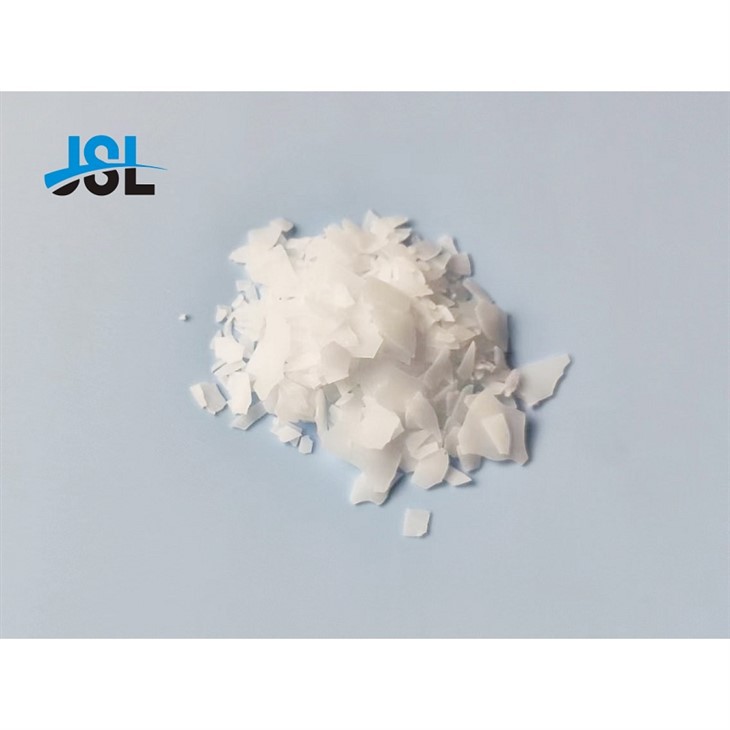
APG215, also known as Caprylyl/Decyl Glucoside APG215 CS UP Caprylyl/Decyl Glucoside APG215 CS UP, is a type of alkyl polyglucoside (APG). APGs are non - ionic surfactants derived from renewable raw materials, such as glucose and fatty alcohols. They are known for their excellent environmental compatibility, mildness, and good surface - active properties.
One of the key features of APG215 is its relatively low surface tension. Compared to many traditional surfactants, APG215 reduces the surface tension of water significantly. This low surface tension allows it to spread easily over different types of solid surfaces, including hydrophobic and hydrophilic surfaces. For example, in a household cleaning scenario, it can quickly wet greasy surfaces in the kitchen or dirty surfaces in the bathroom. The surfactant molecules in APG215 adsorb at the interface between the liquid cleaning solution and the solid surface, reducing the interfacial tension and enabling better spreading.
Moreover, APG215 has good wetting dynamics. It can rapidly wet the surface upon contact, which is essential for applications where a quick action is required. In a textile dyeing process, for instance, the wetting agent needs to wet the fabric fibers promptly to ensure uniform dye penetration. APG215 can meet this requirement, leading to more consistent and high - quality dyeing results.
Another advantage of APG215 in terms of wetting ability is its compatibility with other substances. It can be formulated with various additives, such as polymers, solvents, and other surfactants, without significantly affecting its wetting performance. This flexibility makes it suitable for a wide range of formulations in different industries.
Applications Benefiting from APG215's Wetting Ability
Cleaning Products
In household and industrial cleaning products, APG215's wetting ability plays a vital role. In dishwashing liquids, it helps the detergent to wet the greasy dishes, allowing the cleaning agents to break down the oil and remove food residues more effectively. For floor cleaners, it enables the solution to spread evenly on the floor surface, ensuring thorough cleaning and preventing streaks.
APG215 is also used in hard - surface cleaners for bathrooms and kitchens. It can wet the ceramic tiles, countertops, and other hard surfaces, and its mild nature makes it suitable for use on sensitive surfaces without causing damage.
Cosmetics and Personal Care
In cosmetics and personal care products, APG215 is used for its wetting and emulsifying properties. In shampoos, it helps the product to wet the hair evenly, enhancing the distribution of conditioning agents and improving the overall cleansing and conditioning effect. In lotions and creams, it promotes the wetting of the skin, allowing the active ingredients to penetrate more easily and providing a smooth and comfortable application experience.
Textile Industry
In the textile industry, APG215 is used as a wetting agent in various processes, such as scouring, bleaching, and dyeing. During scouring, it helps to remove impurities from the fabric by wetting the fibers and facilitating the penetration of the scouring agents. In dyeing, as mentioned earlier, its good wetting ability ensures uniform dye distribution, resulting in a more consistent color appearance.
Agricultural Applications
In agricultural chemicals, APG215 can be used to improve the wetting of pesticides and fertilizers on plant surfaces. By reducing the surface tension of the spray solution, it allows the chemicals to spread better on the leaves and stems of plants, increasing their effectiveness in pest control and nutrient delivery.
Comparing with Other Surfactants
When comparing APG215 with other surfactants in terms of wetting ability, several points are worth noting. Traditional anionic surfactants, such as sodium dodecyl sulfate (SDS), are effective in reducing surface tension but may be harsh on the skin and environment. APG215, on the other hand, is mild, biodegradable, and has comparable or even better wetting performance in many cases.
Non - ionic surfactants like APG 0810/decyl Glucoside/CAS:68515 - 73 - 1 APG 0810/decyl Glucoside/CAS:68515-73-1 and APG 0810H60/220/decyl Glucoside/CAS:68515 - 73 - 1 APG 0810H60/220/decyl Glucoside/CAS:68515-73-1 also have good wetting properties. However, APG215 has a unique molecular structure that gives it a balance between wetting ability and other performance characteristics, such as foaming and emulsifying. This makes it a versatile choice for different formulations.
Conclusion and Call to Action
In conclusion, the wetting ability of APG215 is one of its most significant advantages. With its low surface tension, good wetting dynamics, and excellent compatibility, it is suitable for a wide range of applications in cleaning, cosmetics, textiles, agriculture, and more. Whether you are a formulator in the consumer goods industry or a manufacturer in other sectors, APG215 can provide you with a high - performance and environmentally friendly solution.
If you are interested in learning more about APG215 or would like to discuss potential applications and purchase options, please feel free to reach out. We are ready to provide you with detailed technical information and support to help you make the best use of this outstanding product.
References
- "Surfactants in Industrial Processes" by M. Schick.
- "Applied Surfactants: Principles and Applications" by Th. F. Tadros.