




As a supplier of APG425N, I've received numerous inquiries about the maintenance requirements of this exceptional product. APG425N, a member of the alkyl polyglucoside family, is widely recognized for its excellent performance in various applications, such as personal care products, household cleaners, and industrial detergents. In this blog, I'll delve into the essential maintenance aspects of APG425N to ensure its optimal performance and longevity.
Storage Conditions
One of the most critical factors in maintaining APG425N is proper storage. APG425N should be stored in a cool, dry place away from direct sunlight and sources of heat. The ideal storage temperature range is between 5°C and 30°C. Extreme temperatures can affect the physical and chemical properties of APG425N, leading to changes in viscosity, color, and odor.
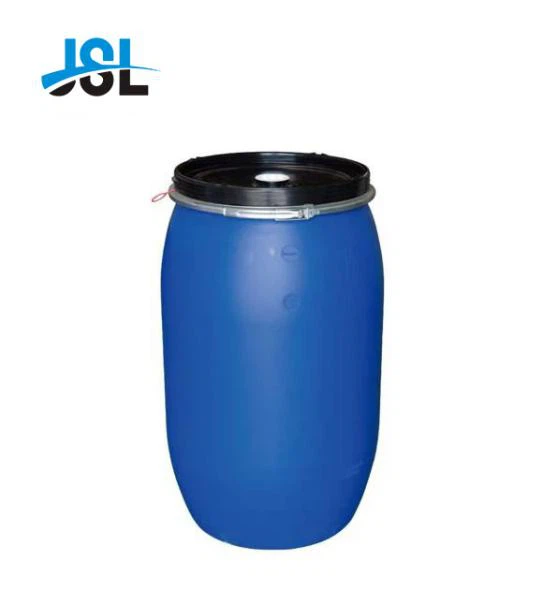
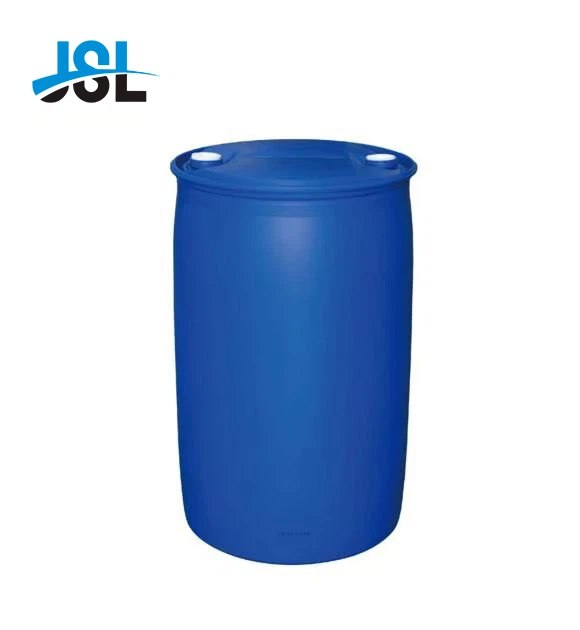
When storing APG425N, it's essential to keep the containers tightly sealed to prevent moisture and air from entering. Exposure to air can cause oxidation, which may reduce the product's quality and effectiveness. Additionally, moisture can lead to microbial growth, which can contaminate the product and render it unusable.
Handling Precautions
Proper handling of APG425N is crucial to prevent contamination and ensure its safety. When handling APG425N, it's recommended to wear appropriate personal protective equipment (PPE), such as gloves and goggles, to avoid direct contact with the skin and eyes. In case of contact, immediately rinse the affected area with plenty of water and seek medical attention if necessary.
It's also important to use clean and dry equipment when transferring APG425N from one container to another. Contaminated equipment can introduce foreign substances into the product, which can affect its quality and performance. When measuring APG425N, use calibrated measuring devices to ensure accurate dosing.
Quality Control
Regular quality control checks are essential to ensure that APG425N maintains its quality and performance over time. As a supplier, we conduct rigorous quality control tests on all our products, including APG425N, before they are shipped to our customers. These tests include checks for appearance, odor, pH, viscosity, and active matter content.
Customers can also perform simple quality control checks on APG425N upon receipt. For example, they can visually inspect the product for any signs of discoloration, precipitation, or foreign matter. They can also check the odor of the product to ensure that it is consistent with the expected smell. If any issues are detected, customers should contact the supplier immediately for further assistance.
Compatibility with Other Substances
APG425N is generally compatible with a wide range of other substances, including surfactants, solvents, and additives. However, it's important to test the compatibility of APG425N with other substances before using them together. Incompatible substances can cause chemical reactions, which can lead to the formation of precipitates, changes in pH, or other undesirable effects.
When formulating products with APG425N, it's recommended to start with small-scale tests to evaluate the compatibility of the ingredients. This can help to identify any potential issues early on and allow for adjustments to be made to the formulation. Additionally, it's important to follow the recommended usage levels and mixing procedures when using APG425N with other substances.
Shelf Life
The shelf life of APG425N is typically around two years when stored under the recommended conditions. However, the actual shelf life may vary depending on factors such as storage conditions, handling practices, and the presence of contaminants. As a supplier, we provide a detailed product specification sheet that includes information on the shelf life of APG425N.
Customers should always check the expiration date of APG425N before using it. Expired products may not perform as expected and may pose a risk to the quality and safety of the final product. If a product is approaching its expiration date, it's recommended to use it as soon as possible or contact the supplier for further advice.
Related Products
In addition to APG425N, we also offer other high-quality alkyl polyglucosides, such as Decyl Glucoside APG 2000UP and APG 0814/coco Glucoside/CAS:141464-42-8. These products have similar properties and applications to APG425N and can be used in a variety of formulations. You can also explore APG 0814N/425N/coco Glucoside/CAS:141464-42-8 for more options.
Conclusion
Maintaining APG425N is essential to ensure its optimal performance and longevity. By following the recommended storage conditions, handling precautions, quality control measures, and compatibility guidelines, customers can ensure that APG425N remains in good condition and delivers the desired results in their applications.
If you have any further questions about the maintenance of APG425N or are interested in purchasing our products, please don't hesitate to contact us. We're here to provide you with the best possible support and assistance.
References
- Technical data sheets provided by the manufacturer of APG425N.
- Industry standards and best practices for the storage and handling of surfactants.