


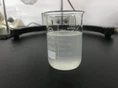


Hey there! As a supplier of coco glucoside, I often get asked a bunch of questions about this amazing product. One question that pops up quite a bit is, "What is the refractive index of coco glucoside?" So, I thought I'd sit down and write this blog to share some insights on that topic and give you a better understanding of coco glucoside in general.
First off, let's talk a bit about coco glucoside. It's a type of non - ionic surfactant that's derived from coconut oil and glucose. It's known for being super gentle, biodegradable, and environmentally friendly. That's why it's widely used in a whole range of personal care products like shampoos, body washes, and facial cleansers. It can also be found in some household cleaning products because of its excellent cleaning properties without being too harsh.
Now, onto the refractive index. The refractive index is a measure of how much a ray of light bends when it passes from one medium (like air) into another (in this case, coco glucoside). It's an important physical property because it can tell us a lot about the purity and composition of a substance. For coco glucoside, the refractive index typically falls in the range of around 1.43 - 1.47 at 20°C. This value can vary a bit depending on factors such as the specific manufacturing process, the purity of the raw materials used, and the concentration of the coco glucoside solution.
Why does the refractive index matter? Well, for manufacturers, it's a key quality control parameter. By measuring the refractive index, they can ensure that the coco glucoside they're using meets the required standards. If the refractive index is outside the expected range, it could indicate that there are impurities in the product or that the composition has changed. This could potentially affect the performance of the final product. For example, if you're making a shampoo, an incorrect refractive index of the coco glucoside could lead to issues with the foam quality, viscosity, or overall stability of the shampoo.
As a supplier, I make sure that all our coco glucoside products have a refractive index within the acceptable range. We have a strict quality control system in place to test each batch of coco glucoside before it leaves our facility. This way, our customers can be confident that they're getting a high - quality product that will perform as expected in their formulations.
If you're in the market for coco glucoside, you might be interested in our different product offerings. We have APG 0814/coco Glucoside/CAS:141464 - 42 - 8, which is a popular choice among many manufacturers. It has excellent foaming and cleaning properties and is suitable for a wide variety of applications. You can also check out APG 0814/coco Glucoside/CAS:141464 - 42 - 8 for more details about our manufacturing process and the quality of our product. And if you're looking for something a bit different, our Decyl Glucoside APG 2000UP is another great option. It has unique properties that make it ideal for certain types of formulations.

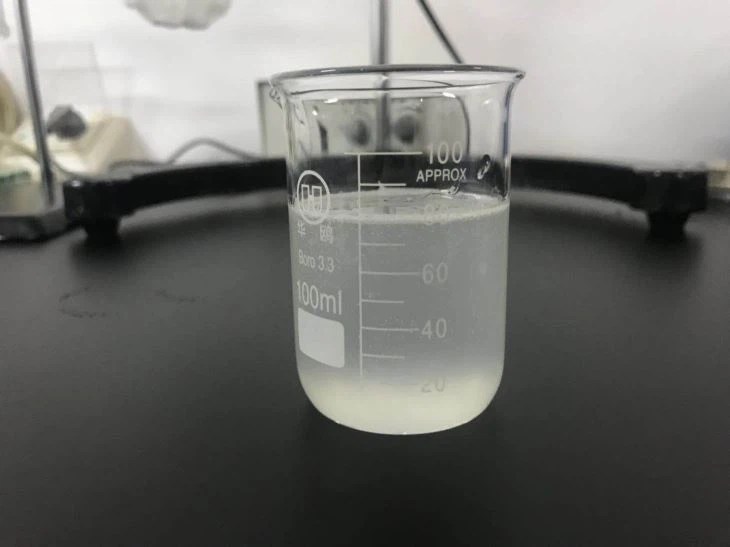
Whether you're a small - scale manufacturer or a large - scale producer, we can provide you with the right quantity of coco glucoside at a competitive price. We understand that every customer has different needs, and we're committed to working with you to find the best solution for your business.
If you're interested in learning more about our coco glucoside products or have any questions about the refractive index or other properties, don't hesitate to reach out. We're here to help you make the right choice for your formulations. Whether it's for a new product launch or an existing product that you want to improve, our coco glucoside can be a great addition.
In conclusion, the refractive index of coco glucoside is an important property that can give us valuable information about its quality and suitability for different applications. As a reliable supplier, we ensure that our products meet the highest standards in terms of refractive index and other key parameters. So, if you're looking for high - quality coco glucoside, we're the ones to talk to.
References:
- Principles of Colloid and Surface Chemistry, Fourth Edition, by Hugh C. Hamaker and Lawrence K. Hall
- Surfactants and Interfacial Phenomena, Third Edition, by Milton J. Rosen and Jerome T. Kunjappu