




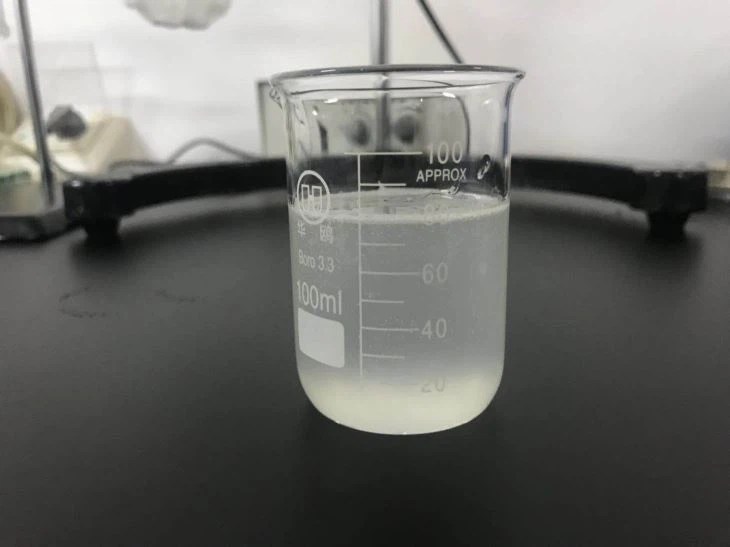
APG 0814, also known as alkyl polyglucoside, is a non - ionic surfactant that has gained significant popularity in various industries due to its excellent properties such as high biodegradability, low toxicity, and good compatibility with other chemicals. As a supplier of APG 0814, I've often been intrigued by the question: Who discovered APG 0814?
The Early Days of Surfactant Research
Surfactants have a long history of use, dating back to ancient times when people used natural substances like soap made from animal fats and plant ashes. However, the scientific study of surfactants began in the 19th century. Chemists started to understand the basic principles of surface - active agents and their ability to reduce the surface tension of liquids.
In the early days, most surfactants were anionic or cationic. Anionic surfactants, such as alkyl sulfates, were widely used in detergents because of their strong cleaning power. Cationic surfactants, on the other hand, were mainly used in fabric softeners and disinfectants. But these types of surfactants had some limitations, such as poor biodegradability and potential irritation to the skin.
The Emergence of Non - ionic Surfactants
The search for more environmentally friendly and mild surfactants led to the development of non - ionic surfactants. Non - ionic surfactants do not carry an electrical charge, which gives them unique properties compared to anionic and cationic surfactants. They are generally more stable in a wide range of pH values and have better compatibility with other types of surfactants.
In the mid - 20th century, researchers started to explore the use of natural raw materials to synthesize non - ionic surfactants. This was driven by the increasing awareness of environmental protection and the desire to find sustainable alternatives to traditional surfactants.
The Discovery of APG 0814
The discovery of APG 0814 can be attributed to a series of research efforts in the field of surfactant chemistry. Although it's difficult to pinpoint a single individual as the discoverer, the development of APG 0814 was a result of the collective work of many scientists.
The basic concept of alkyl polyglucosides is based on the reaction between glucose (a natural sugar) and fatty alcohols. Glucose is a renewable and abundant raw material, while fatty alcohols can be derived from natural fats and oils. By combining these two components, chemists were able to create a new type of non - ionic surfactant with excellent properties.
In the 1980s and 1990s, several research groups around the world were actively involved in the synthesis and characterization of alkyl polyglucosides. These researchers were interested in the potential applications of APGs in various industries, including personal care, household cleaning, and industrial cleaning.
One of the key advantages of APG 0814 is its high biodegradability. Unlike some traditional surfactants that can persist in the environment for a long time, APG 0814 can be easily broken down by microorganisms, which makes it a more environmentally friendly choice.
Properties and Applications of APG 0814
APG 0814 has a unique set of properties that make it suitable for a wide range of applications. It has good foaming properties, which means it can produce a rich and stable foam. This makes it ideal for use in products such as shampoos, body washes, and dishwashing liquids.
It also has excellent emulsifying properties, which allows it to mix oil and water together. This is useful in the formulation of creams, lotions, and other cosmetic products.
In addition, APG 0814 is mild to the skin and eyes, which is an important consideration for personal care products. It can reduce the irritation caused by other ingredients in the formulation, making the final product more gentle and comfortable to use.
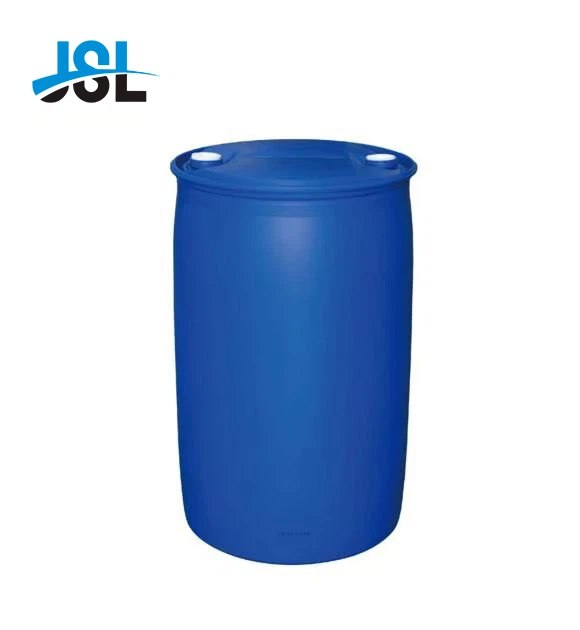
Some of the specific products related to APG 0814 that we offer as a supplier include APG 0814N/425N/coco Glucoside/CAS:141464 - 42 - 8, Decyl Glucoside APG 2000UP, and APG 0814/coco Glucoside/CAS:141464 - 42 - 8. These products have been widely used in the market and have received positive feedback from our customers.
The Market and Future Outlook for APG 0814
The market for APG 0814 has been growing steadily in recent years. With the increasing demand for environmentally friendly and mild - to - skin products, more and more companies are turning to APG 0814 as a key ingredient in their formulations.
In the personal care industry, consumers are becoming more aware of the potential harm of chemical - based products to their health and the environment. As a result, they are more likely to choose products that contain natural and sustainable ingredients like APG 0814.
In the household cleaning industry, the trend towards green cleaning products is also driving the demand for APG 0814. Consumers are looking for cleaning products that are not only effective but also safe for the environment and their families.
Looking to the future, the demand for APG 0814 is expected to continue to grow. Research is ongoing to further improve the performance of APG 0814 and to develop new applications. For example, there is interest in using APG 0814 in the food industry as an emulsifier and foaming agent.
Why Choose Us as Your APG 0814 Supplier
As a supplier of APG 0814, we are committed to providing high - quality products and excellent customer service. We have a state - of - the - art production facility that ensures the consistent quality of our APG 0814 products.
Our team of experts has extensive knowledge and experience in the field of surfactant chemistry. We can provide technical support and advice to our customers, helping them to choose the right APG 0814 product for their specific applications.
We also offer competitive prices and flexible delivery options. Whether you need a small sample for testing or a large - scale order for production, we can meet your requirements.
If you are interested in purchasing APG 0814 or would like to discuss your specific needs, please feel free to contact us. We look forward to the opportunity to work with you and to provide you with the best APG 0814 solutions.
References
- Swisher, R. D. (1987). Surfactant science series: Volume 19, Nonionic surfactants: Organic chemistry. Marcel Dekker.
- Rosen, M. J., & Kunjappu, J. T. (2012). Surfactants and interfacial phenomena. John Wiley & Sons.
- Hill, K. (1999). Alkyl polyglycosides: Technology, properties, and applications. VCH Verlagsgesellschaft mbH.