



Hey there! As a supplier of APG215, I often get asked about its chemical structure. So, let's dive right in and break it down in a way that's easy to understand.
APG Basics
First off, APG stands for Alkyl Polyglucoside. It's a type of non - ionic surfactant that's been gaining popularity in various industries, especially in personal care and household cleaning products. Why? Well, it's biodegradable, non - toxic, and has excellent foaming and cleaning properties.
APGs are made from renewable raw materials like fatty alcohols and glucose. The glucose part comes from starch, which can be sourced from things like corn or wheat, and the fatty alcohols are usually derived from coconut or palm kernel oil. This makes APGs a more sustainable alternative compared to some traditional surfactants.
Chemical Structure of APGs in General
The general chemical structure of an APG consists of a hydrophilic (water - loving) head and a hydrophobic (water - hating) tail. The hydrophilic head is a glucose unit, which is a simple sugar. Glucose has a ring - like structure with multiple hydroxyl (-OH) groups. These hydroxyl groups are what make the glucose part interact well with water molecules.
The hydrophobic tail is an alkyl chain. The length of this alkyl chain can vary, and it determines some of the properties of the APG. For example, shorter alkyl chains make the APG more soluble in water, while longer chains can increase its oil - solubility and foam stability.
What's Special about APG215?
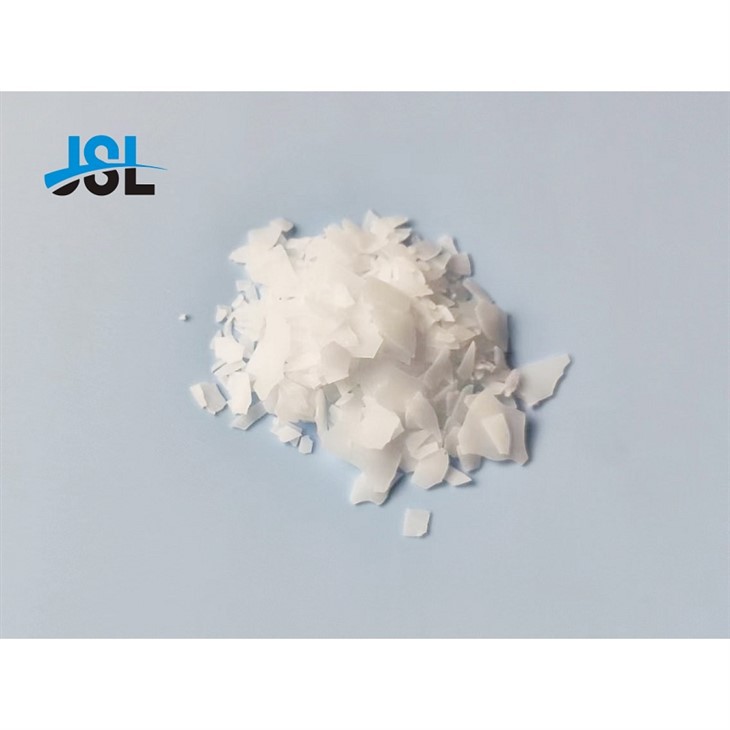
APG215, also known as Caprylyl/Decyl Glucoside APG215 CS UP Caprylyl/Decyl Glucoside APG215 CS UP, has a specific combination of alkyl chains. The "caprylyl" part refers to an 8 - carbon alkyl chain (C8), and the "decyl" part refers to a 10 - carbon alkyl chain (C10).
The glucose unit in APG215 is linked to these alkyl chains through a glycosidic bond. This bond forms when the hydroxyl group of the glucose reacts with the hydroxyl group of the fatty alcohol, releasing a water molecule in the process. This reaction is called a condensation reaction.
The ratio of C8 to C10 alkyl chains in APG215 is carefully balanced to give it a unique set of properties. It has good solubility in both water and oil, which makes it very versatile. It can be used in a wide range of formulations, from shampoos and body washes to dishwashing liquids.
Comparing APG215 with Other APGs
Let's take a look at how APG215 compares with some other common APGs like APG 0810/decyl Glucoside/CAS:68515 - 73 - 1 and APG 0810H60/220/decyl Glucoside/CAS:68515 - 73 - 1.
APG 0810 also has a combination of C8 and C10 alkyl chains, but the exact ratio and the way the glucose is attached to these chains might be different. APG215 might have a more optimized ratio for certain applications, like better foam quality or higher stability in different pH conditions.
APG 0810H60/220 might have some additional modifications or specific processing steps that give it different properties compared to APG215. For example, it could have a different level of purity or a different viscosity, which can affect how it behaves in a formulation.
Applications Based on Structure
The chemical structure of APG215 directly influences its applications. In personal care products, the hydrophilic glucose head allows it to clean the skin and hair by removing dirt and oil, while the hydrophobic alkyl tails help to lift the dirt and oil away from the surface and keep it suspended in the water.
In household cleaning products, its dual solubility properties make it effective at cleaning both water - based and oil - based stains. It can be used in laundry detergents to remove grease from clothes, and in dishwashing liquids to cut through the oil on dirty dishes.
Quality and Purity
As a supplier, we make sure that our APG215 meets high - quality standards. The chemical structure can be affected by the manufacturing process, so we use advanced techniques to control the reaction conditions and ensure a consistent product. We test for purity, the ratio of C8 to C10 chains, and other important parameters to make sure that our APG215 performs as expected in different applications.
Why Choose Our APG215?
If you're in the market for APG215, there are a few reasons to choose our product. First, we have a reliable supply chain, so you won't have to worry about running out of stock. Second, our product is of high quality, which means you can count on it to work well in your formulations. Third, we offer competitive pricing, so you can get a great product without breaking the bank.
Let's Talk Business
If you're interested in purchasing APG215 for your business, whether it's for personal care, household cleaning, or other applications, I'd love to hear from you. You can reach out to start a conversation about your specific needs, and we can work together to find the best solution for you.
References
- "Surfactants in Consumer Products: Theory, Technology, and Application" by J. Falbe
- "Handbook of Detergents" edited by M. Schramm