

Renowned for its good reputation, our company has served dozens of customers globally and has emerged as a leading firm in the chemicals and ingredients sector, with a focus on the surfactant industry.
Why choose us?
Stable Supply
As a professional chemical company, we possess our own laboratories and factories, ensuring a consistent supply and stable quality. Our product range includes alkyl polyglucosides such as APG 0810, APG 0814, APG 1214, lipid layer enhancers, lauryl glucoside, among others.
One-Stop Service
Our philosophy is to marry high-quality products with competitive pricing, striving to fulfill chemical needs through comprehensive order services and technical support. We offer advice, solutions, product samples, and any necessary documentation, ensuring you have a dependable partner in the surfactant sector.
Rich Market Experience
Our APG products have been exported to numerous countries and regions, including the United States, Canada, Mexico, Malaysia, Vietnam, the United Arab Emirates, Russia, and Uzbekistan. Our sales team is both experienced and knowledgeable, capable of supporting customers in any region.
Professional Team
We have a team of experts who recommend products based on customer needs. Additionally, every order is fulfilled within the specified deadline, and our professional logistics team provides shipment details according to the order. We have also established a dedicated customer service team to follow up on product feedback.

APG 0814/Coco Glucoside/CAS:141464-42-8
APG 0814/coco glucoside/CAS:141464-42-8 Chemical description Aqueous solution of alkyl polyglucosides based on a fatty alcohol C8 - C14

APG 0810H70/Decyl Glucoside/CAS:68515-73-1
APG 0810H70/decyl glucoside/CAS:68515-73-1 Chemical description alkyl (C8-C10) polyglycoside Labeling information INCI name: decyl glucoside CAS-No.: 68515-73-1

APG 0810H70DK/Decyl Glucoside/CAS:68515-73-1/225DK
APG 0810H70DK/decyl glucoside/CAS:68515-73-1 Chemical description alkyl polyglucoside C8-C10 Labeling information INCI name: decyl glucoside CAS-No.: 68515-73-1

APG 0810H65/Decyl Glucoside/CAS:68515-73-1
APG 0810H65/decyl glucoside/CAS:68515-73-1 Chemical description alkyl polyglucoside C8 - C10 Labeling information INCI name:decyl glucoside CAS-No.:68515-73-1

APG 0810H60/220/Decyl Glucoside/CAS:68515-73-1
APG 0810H60/decyl glucoside/CAS:68515-73-1 Chemical description Aqueous solution of alkyl polyglycosides based on a fatty alcohol C8 - C10

APG 0810/Decyl Glucoside/CAS:68515-73-1
APG 0810/decyl glucoside/CAS:68515-73-1 Chemical description Alkyl(C8-C10) Polyglucoside Labeling information INCI name: decyl glucoside CAS-No.: 68515-73-1
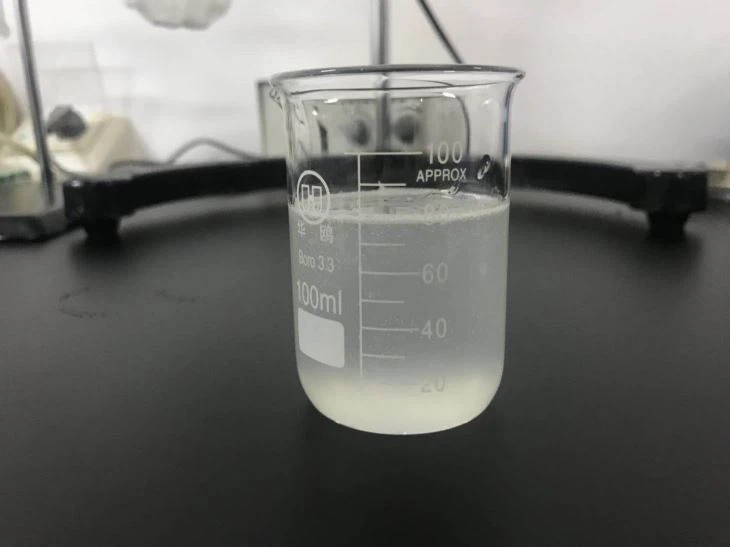
APG 1214 (APG1200UP) Chemical description C12 - C16 fatty alcohol glucoside Labeling information INCI name: Lauryl Glucoside CAS-No.: 110615-47-9 Product properties Appearance: slightly cloudy and viscous liquid Physical properties: Solid Content(%) 50.0-52.0 Water (wt %) 48.0-50.0 pH...
Caprylyl/Decyl Glucoside APG215 CS UP
APG 0810H65 (APG 215 CS UP) Chemical description Aqueous solution of alkyl polyglucosides based on a fatty alcohol C8 - C10 Labeling information INCI name: Caprylyl/Decyl Glucoside CAS-No.: 68515-73-1 Synonyms: Decyl Glucoside Product properties Appearance Light yellow viscous...
Caprylyl/Decyl Glucoside APG 8170
APG 0810H70 Chemical description Aqueous solution of alkyl polyglucosides based on a fatty alcohol C8 - C10 Labeling information INCI name: Capryl Glucoside CAS-No.: 68515-73-1 Synonyms: Decyl Glucoside Product properties Appearance light yellow liquid Physical properties Solid...
What is Lauryl Glucoside 1200UP
Lauryl glucoside produces a rich, stable foam. In hair care products, it enhances cleaning while preserving the hair's natural oils. When combined with other glucosides, it further improves foam quality and skin conditioning.
Uses and Production of Lauryl glucoside
Lauryl glucoside is a viscous, yellow substance derived from sources such as palm kernel oil, corn sugar, or coconut. It belongs to the category of alkyl glucosides, which are created by combining alcohols with a sugar, such as glucose.
Production
Lauryl glucoside is typically derived from natural ingredients, though it can also be produced synthetically. This synthetic process lessens the strain on natural resources and mitigates environmental concerns related to harvesting, processing, and transportation. Given its potential to be sourced from nature, lauryl glucoside is seen as an eco-friendly or sustainable ingredient.
Uses
Lauryl glucoside enhances the cleansing effectiveness of skincare and cosmetic formulations such as cleansers, body washes, and soaps. As a surfactant, it aids in removing dirt and oils from the skin, facilitating their removal during washing. This property makes lauryl glucoside a common ingredient in cleansing products.
Recommendations
When blended with other surfactants, Lauryl glucoside produces a foaming product with skin cleansing abilities. It works excellently when combined with Cocamidopropyl betaine.
Recommended Usage Level
10% - 20% (Face Wash)
15% - 30% (Shower Gel / Bath Foam / Shampoo)
Superior Gentleness
Lauryl Glucoside, a non-ionic surfactant, contains natural glycoside groups in its molecular structure. This makes it extremely gentle on skin and eyes. At the same concentration, compared to traditional surfactants, Lauryl Glucoside reduces skin irritation by over 30%, making it ideal for sensitive skin or products that require prolonged skin contact.
Excellent Biodegradability
Lauryl Glucoside's glycoside part originates from renewable resources and exhibits strong biodegradability. Research shows it degrades 40% faster than conventional surfactants in the environment.
Powerful Cleaning Efficacy
Despite its mild nature, Lauryl Glucoside demonstrates outstanding cleaning effectiveness. It removes oils and dirt 25% better than common market surfactants. Its unique molecular structure effectively lowers water surface tension, allowing deeper penetration and thorough cleaning.
Extensive pH Stability
Lauryl Glucoside remains stable within a pH range of 3 to 11, unaffected by acidity or alkalinity changes. This versatility allows it to be used in various formulations, maintaining performance in both acidic and alkaline environments.
Good Compatibility
Lauryl Glucoside is highly compatible with many other ingredients. It can be combined with various oils, emulsifiers, and stabilizers without causing separation or precipitation. This flexibility enables developers to create diverse product formulations without compromising performance. For instance, it blends perfectly with vegetable oils like olive oil and coconut oil.
Is Lauryl Glucoside Safe For Skin?
Lauryl glucoside is recognized as a safe ingredient for skin due to its mild surfactant properties, which minimize the risk of irritation. This characteristic makes it an ideal choice for skincare products designed for sensitive skin. Several authoritative organizations, including the Safe Cosmetics Database, GoodGuide, EcoCert, and the Organic Food Federation, endorse lauryl glucoside as a safe component. Furthermore, it is listed in the CIR's compilation of safe ingredients for cosmetic use. In terms of product formulation, 10 to 20% of lauryl glucoside is suitable for facial cleansers, while 15 to 30% is recommended for shampoos and body washes. The maximum allowable concentration of lauryl glucoside in any product is capped at 40%.
Precautions When Using Lauryl Glucoside
Since market-available end products contain safe levels of lauryl glucoside, consumers need not be overly concerned when using these products. However, manufacturers dealing with high concentrations of lauryl glucoside should adhere to the following safety measures:
1. Wear gloves to safeguard against skin irritation.
2. Don protective eyewear. In the event of eye contact, rinse thoroughly with water and seek medical attention if necessary.
3. Ensure the workplace is adequately ventilated.
4. In cases of accidental ingestion, consult a physician immediately."
Why Should You Be Using Lauryl Glucoside For Your Skin?
Currently under scrutiny for its use in skincare, lauryl glucoside has been recognized as completely safe for the skin. Its gentle surfactant properties pose minimal to no irritation risk, which explains its presence in products designed for sensitive skin. Produced through natural methods, lauryl glucoside is not only beneficial for your skin but is also biodegradable and eco-friendly. Continue reading to discover comprehensive information about lauryl glucoside, including its advantages and any potential side effects.
Discover How Lauryl Glucoside Benefits Your Skin
While further studies are needed to substantiate the positive effects of lauryl glucoside on human skin, it is currently regarded as safe. Leverage these advantages by using skincare products containing this mild surfactant:
Serves as an Outstanding Secondary Surfactant
Lauryl glucoside functions as a surfactant-cleanser. Surfactants are fundamental to most cleansing formulations. Within skincare, they aid in the blend of fats and water on the skin, facilitating the removal of dust and perspiration. When paired with emollients or lipid-layer enhancers, lauryl glucoside can boost the effectiveness of skincare products without altering their inherent qualities. This synergy results in an enhanced foaming agent and emulsifier.
Excels as a Foaming Agent
Renowned for its superior foaming characteristics, lauryl glucoside is commonly featured in cleansing products like body washes, facial cleansers, and shampoos. It generates a luxurious lather that efficaciously eliminates grease, grime, and dirt from the skin's surface. Furthermore, its mildness renders it an ideal choice for sensitive skin types-including infants.
Possesses Emulsifying Capabilities
Emulsifiers in cosmetics and skincare ensure uniform and smooth product application. They are also thought to facilitate product absorption into the skin, prolonging the impact of topical treatments and thus, enhancing outcomes.
Ideal for Sensitive Skin
Derived from plants, lauryl glucoside is a surfactant suited for sensitive skin, provoking only minimal reactions compared to numerous synthetic ingredients in cosmetics and skincare. Its suitability extends to baby products, such as washes and shampoos.
Maintains Skin Moisture
Lauryl glucoside refrains from depleting the skin's natural oils. The synergy of sugar and fatty alcohols helps the skin sustain moisture levels, underpinning its efficacy as a cleanser that doesn't induce dryness.
Skincare and Body Care
As a surfactant and cleansing agent, lauryl glucoside breaks surface tension so dirt and oil are lifted and washed away more easily.[1] This is a great reason that you can find lauryl glucoside in shampoo, face washes, bubble bath, body wash, and other personal care products.
Dental Care
As a surfactant, lauryl glucoside has foaming qualities that make it an effective ingredient in toothpaste and tooth whitening products.
Cosmetics
The ingredient is often used as a cleansing agent and surfactant in cosmetics, including makeup primer, eye makeup remover, BB creams, and eye cream.
How do you use lauryl glucoside
Lauryl glucoside proves highly effective in ionic formulations, enhancing foam depth and emulsifying attributes. It is particularly advantageous in products like Bath Foams, Shower Gel, and Shampoo, where the goal is to elevate foaming capacity without compromising the natural composition.


A prevalent misunderstanding is the equating of lauryl glucoside with sodium lauryl sulfate (SLS) due to their phonetically similar names and analogous functions in facial cleansers. However, these surfactants are fundamentally different; SLS originates from sulfuric acid and is a salt-based compound, whereas lauryl glucoside is a sugar-based derivative. SLS is notorious for denuding the skin of its natural oils, leading to a cleansing regimen that might result in dehydration, dryness, and frequent itching. Furthermore, SLS is synthetic, contrasting sharply with the natural and mild properties of lauryl glucoside. Notwithstanding its pronounced drying impacts, SLS remains a prevalent surfactant in cleansing formulations. Hence, scrutinizing product labels is crucial to dodge using it. Products containing SLS may also include parabens and phthalates, which pose potential long-term dermatological risks.
What makes lauryl glucoside a good surfactant to include in a routine?
Compared to common yet harsh surfactants such as sodium lauryl sulfate (SLS), ammonium lauryl sulfate (ALS), and olefin sulfonates, lauryl glucoside offers advantages for most skin types. Lauryl glucoside-infused cleansers maintain skin hydration while generating rich foam, making them a preferred choice for those seeking a thorough yet gentle cleanse.
Derived from plants, this ingredient provides emulsifying and stabilizing properties, simplifying the application of skincare products and makeup, ensuring a smoother finish.
Lauryl glucoside is also present in products formulated to be vegan-friendly, suiting skin that is easily irritated or prone to redness.
Additionally, the ingredient is utilized in nourishing facial wipes that avoid post-use tingling or flaking.
For the environmentally conscious, lauryl glucoside is a recommended choice, aiding in creating a more sustainable beauty regimen. Switching to this cleansing agent can enhance both efficacy and eco-friendliness.
What is the use level of lauryl glucoside?
Lauryl glucoside proves highly effective in ionic formulations, enhancing foam depth and contributing emulsifying attributes. It is particularly advantageous in Bath Foams, Shower Gel, and Shampoo, as it augments the product's foaming capacity without compromising the natural formula.

Our Factory
At Jeslyee Chemicals, our staff is committed to excellence in all aspects of our business. Our sales associates are experienced and knowledgeable, providing support to all our clients. Technical service is a key component for the continuous growth of Jeslyee Chemicals. We can offer suggestions, solutions, product samples, as well as any required documents, and you will find a reliable partner in the surfactants field. Our values include dedicating ourselves to our clients' success and innovation through thoughtful practices and building long-term relationships with suppliers and customers.
FAQ
Q: Is lauryl glucoside eco friendly?
Q: What are the side effects of lauryl glucoside?
Q: What is lauryl glucoside for cleaning?
Q: Is lauryl glucoside good or bad for you?
Q: What is lauryl glucoside used for?
Q: Is lauryl glucoside good for your skin?
Q: Is lauryl glucoside antibacterial?
Q: Is lauryl glucoside natural or synthetic?
Q: What is the PH of lauryl glucoside?
Q: Is lauryl glucoside palm oil?
Q: Is lauryl glucoside plant based?
Q: Is lauryl glucoside active or inactive?
Q: Is lauryl glucoside organic or inorganic?
Q: Is lauryl glucoside same as decyl glucoside?
Q: Is lauryl glucoside flammable?
Q: Is lauryl glucoside used in shampoo?
Q: Do surfactants remove bacteria?
Q: Is lauryl glucoside a primary surfactant?
Q: What does cocamidopropyl betaine do to your skin?
Q: What is the difference between coco glucoside and lauryl glucoside?
Hot Tags: lauryl glucoside 1200up, China lauryl glucoside 1200up manufacturers, suppliers, factory, lauryl glucoside, APG1200UP, alkyl polyglycoside, APG220, 110615 47 9, APG0810