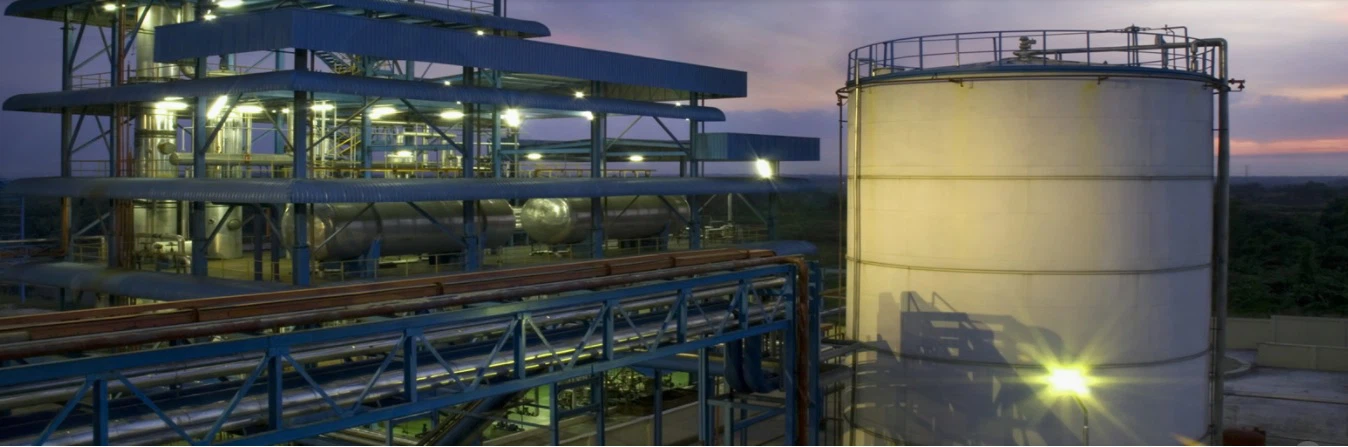
Jeslyee Chemicals was founded with the goal of providing quality products at competitive prices, and strives to meet chemical needs through one-stop ordering services and technical support. As a professional chemical company, Jeslyee Chemicals has its own laboratories and factories to ensure smooth supply and stable quality. So far, with a good reputation, Jeslyee Chemicals has served dozens of customers around the world and has become a leader in chemicals and ingredients in the surfactant industry.
At Jeslyee Chemicals, employees are committed to excellence in every aspect of the business. Our sales staff is experienced and knowledgeable, providing strong support to all customers. Technical service is a key factor in the continued development of Jeslyee Chemicals. We can provide advice, solutions, product samples and any documents required, so that you have a reliable partner in the field of surfactants.
Wide production market
Our APG products have been exported to many countries including the United States, Canada, Mexico, Malaysia, Vietnam, United Arab Emirates, Russia and Uzbekistan.
One-stop service
We have a professional team that can recommend suitable products to customers based on their needs. Orders will be completed within the specified deadline. Our professional logistics team will provide detailed shipping information based on the order situation. Our customer service team is responsible for following up on the feedback of our products.
Professional Team
Our employees are committed to excellence in every aspect of our business. Our sales staff are experienced and knowledgeable, providing product purchasing solutions for all customers. Our technical team is constantly improving product application solutions.
Competitive Prices
In addition to providing high-quality products and one-stop services, we also provide very competitive prices. At Jeslyee Chemicals, you can buy products with the best cost performance.
What is APG 1214/lauryl Glucoside/CAS:110615-47-9
Lauryl glucoside is a plant-based surfactant that usually appears as a clear liquid with a mild sweet fatty aroma, and is found in many cleaning products, soaps and cleansers. We use this ingredient in some of our personal care and cleaning products for its gentle but effective cleansing properties, and general compatibility with sensitive skin.
Lauryl glucoside is derived from lauryl alcohol (from coconut or palm) and glucose (from corn or potato). It's what's known as a 'non-ionic surfactant', which means the molecules have no charge and help deliver non-streak cleaning. It also contributes to lather, wetting and suspension of soils in products like shampoo, body wash, bubble bath, laundry products, facial cleansers and toothpastes.

APG 0814N/425N/coco Glucoside/CAS:141464-42-8
APG 0814N is a nonionic surfactant that offers a balanced combination of foam volume and excellent dermatological properties. It is therefore suitable as a primary surfactant or co-surfactant in cosmetic cleansing formulations.

APG 0810H60/220/decyl Glucoside/CAS:68515-73-1
APG 0810H60 is a nonionic surfactant offering superior performance through the combination of formulation ease and compatibility typical of nonionics, along with the solubility and foam characteristics of anionic surfactants.

APG 0810H65/decyl Glucoside/CAS:68515-73-1
APG 0810H65 demonstrates exceptional caustic stability and solubility in both caustic and saline solutions. Owing to its superior wetting and dispersing attributes, APG 0810H65 is suitable for caustic, neutral, and acidic hard surface cleaning applications in both household and institutional settings.

APG 0810H70/decyl Glucoside/CAS:68515-73-1
APG 0810H70 is a nonionic surfactant that offers superior performance by combining the ease of formulation and compatibility typical of nonionics with the solubility and foam characteristics of anionics. This product delivers excellent hard surface detergency and processing benefits in various cleaning products, such as kitchen and bathroom cleaners, as well as industrial and institutional (I&I) alkaline cleaners.

APG 0810H70DK/decyl Glucoside/CAS:68515-73-1/225DK
APG 0810H70BG/decyl glucoside/CAS:68515-73-1 Chemical description alkyl polyglucoside C8, C10 Labeling information INCI name: decyl glucoside CAS-No.: 68515-73-1

APG 1214 (APG1200UP) Chemical description C12 - C16 fatty alcohol glucoside Labeling information INCI name: Lauryl Glucoside CAS-No.: 110615-47-9 Product properties Appearance: slightly cloudy and viscous liquid Physical properties: Solid Content(%) 50.0-52.0 Water (wt %) 48.0-50.0 pH...
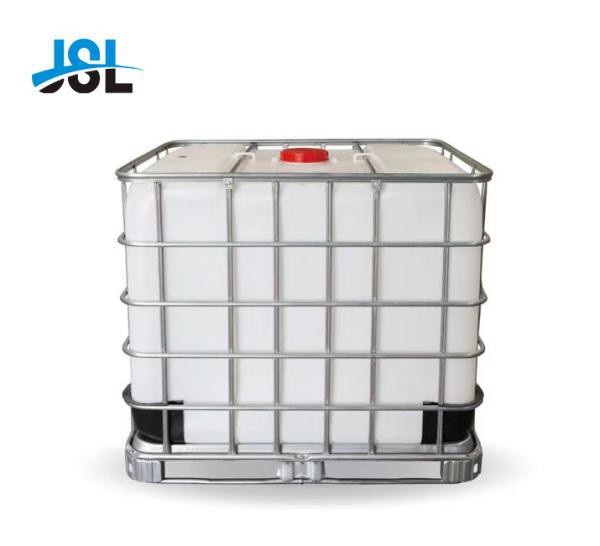
APG 0810H70DK/decyl Glucoside/CAS:68515-73-1/225DK
APG 0810H70DK exhibits excellent solubility in caustic solutions and functions as a dispersant and wetting agent. It can also be utilized as a coupling agent in solutions with high caustic or electrolyte content. APG 0810H70DK is compatible with all other classes of surface-active agents and is completely biodegradable.
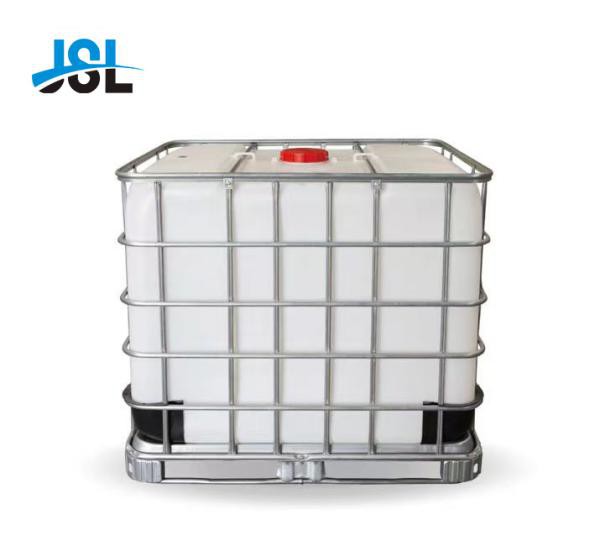
APG 1214/lauryl Glucoside/CAS:110615-47-9
APG 1214/lauryl glucoside/CAS:110615-47-9 Chemical description C12 - C14 fatty alcohol glucoside Labeling information INCI name: Lauryl Glucoside CAS-No.: 110615-47-9

APG 1214/lauryl Glucoside/CAS:110615-47-9
APG 1214/lauryl glucoside/CAS:110615-47-9 Chemical description C12 - C14 fatty alcohol glucoside Labeling information INCI name: Lauryl Glucoside CAS-No.: 110615-47-9

1.Even though it gives a good and stable foam when used in cleansers, lauryl glucoside will not make your face or hair excessively dry.
2.It is an emulsifier and stabiliser. It makes the spreading of moisturiser or make-up on your face, or conditioner on your hair a lot easier.
3.When made from plant origins, lauryl glucoside is 100% natural and vegan, and does not cause itching or redness on sensitive skin.
4.It can be used in baby products such as baby shampoos and soothing wipes.
5.Being biodegradable, lauryl glucoside does not cause harm to the environment.
How to Use PG 1214/Lauryl Glucoside/Cas:110615-47-9 for Skin?
The best way to include lauryl glucoside in your skincare routine is in the form of foamy cleansers. The ingredient is known as a good secondary surfactant, which means you can use it as a second step in double-cleansing routines, after your oil cleanser. Oil cleansers should always be followed by water-activated foaming cleansers that can absorb the excess oil and thoroughly cleanse the face; thus making lauryl glucoside a good option for that. It works well with other ingredients, so the formula can be used as the first step in your chemical exfoliation routine as well. Look for primary surfactants like decyl glucoside and coco-glucoside in the ingredient list to further enhance the cleansing action of your face wash.
What Does PG 1214/Lauryl Glucoside/Cas:110615-47-9 Do?
In cosmetics, Lauryl polyglucosides or LAPG (LG) are used as surfactants of non-ionic nature. They are considered as a new generation of green surfactants that are considered non-allergenic, moisturizing and produced from renewable sources. Lauryl glucosides are used in various cosmetic formulations due to their gentleness and safety on sensitive skin. Lauryl glucoside produces an excellent and stable foam. Lauryl glucoside is useful in hair care products where it helps to cleanse the hair without drying it out. Lauryl glucoside can be used in combination with other glucosides to improve the foaming and skin conditioning properties. Lauryl glucoside is very effective when used in ionic formulations to increase foam depth and emulsifying properties. Lauryl glucoside is very useful in bath foams, shower gels and shampoos when you want to increase the lathering of the product without compromising the natural formulation. Concentrations ranging from 2% to 20% are used, depending on whether it is used as a primary or secondary surfactant. For example: 10% to 20% (in face wash), 15% to 30% (shower gel, bath foam, shampoo). Maximum recommended concentration up to 40%.
In the cleaning industry, LG is used in the production of hard surface cleaners, strong-acting cleaners, concentrates. Due to its strong wetting properties and good emulsifying properties, it is excellent at allowing the water and the grease phase to mix, thus facilitating cleaning processes. Its high foaming properties make it ideal for use in the production of active foams. Due to its natural nature, it is ideal for use in cleaning products that are used outdoors and may come into contact with nature.
In paints and coatings, Lauryl glucoside is used to increase the wetting effect of the surface in order to achieve better adhesion to the surface, while at the same time facilitating the mixing of the fatty phase ingredients with the aqueous phase ingredients.lauryl glucoside is used to increase the wetting effect of the surface in order to achieve better adhesion to the surface, while at the same time facilitating the mixing of the fatty phase ingredients with the aqueous phase ingredients.
In agriculture, LAPG is used to spray fields and plants with a variety of products in order to increase the efficiency of foliar uptake. Alkyl polyglucoside is analogous to polyglucosides in plant cell membranes and therefore wets the leaf surface, making it easier for the spray to adhere to and remain on the leaf, thereby increasing contact time and uptake efficiency. At the same time, it allows a more even distribution of the active substances, which are often hydrophobic and tend to persist in two different phases.
In the textile industry, It is used to clean heavily contaminated fabrics from soiling of fatty or protein origin.
In the paper industry, It is used in the formulation of paper to obtain better adhesion, denser structure.
In school experiments, Oxirane is used in surface wetting experiments. In scientific research, it is used to study the permeability of cell membranes, as APG is naturally found in cells of plant origin.
As the end products available in the market contain safe levels of lauryl glucoside, you do not have to worry much while using those products. However, if you are a manufacturer who has to handle high percentages of lauryl glucoside, you should observe the following precautions:
- Use gloves to prevent skin irritation.
- Wear protective eye gear. In case of eye contact, wash with plenty of water and seek medical help if required.
- Keep the work area well-ventilated.
- In case of accidental ingestion, contact your doctor immediately.

In cosmetics and personal care products, Decyl Glucoside, Lauryl Glucoside, and Coco Glucoside are reported to function as surfactants – cleansing agents.
Because Alkyl polyglucoside is made from natural raw materials, Readily biodegradable, Safe and eco-friendly, Mild, low-toxic, low-irritating to the skin, Superior wetting properties, low surface tension Good compatibility with all other types of surfactants. Alkyl polyglycoside surfactants products are becoming popular day-by-day and demand for its usage is increasing worldwide.
Decyl Glucoside, Coco-Glucoside, Lauryl Glucoside suit for baby products, bath products, cleansing products, skin care products, eye makeup, and hair care products including hair dyes and colors.
From specification they all look the same: light or pale yellowish liquid,50% solid content, PH value 11.5-12.5(default), DP value 1.3-1.5. The only difference is viscosity. Decyl Glycoside 1000-2500 (mPa•s, 20℃), Coco Glucoside 2500-6000 (mPa•s, 20℃), Lauryl Glucoside 2000-4000(mPa•s, 40℃).
They are all formed by reacting natural alcohols (that vary by carbon chain length) with a cyclic form of the sugar, glucose, or glucose polymers. The carbon chain length made different Glucosides:
Lauryl Glucoside( C12-C14), Decyl Glucoside ( 60%C8-C10,40% C12-C14), Coco Glucoside(40%C8-C10,60% C12-C14),
Decyl Glucoside has the wealthiest foam and foam up quickly, but the foam also disappears fast compare to others. The low viscosity presents excellent fluid fluidity.
Lauryl Glucoside has the slowest and most excellent foam also the foam is more stable than others. The high viscosity suit for thick-oriented products.
Coco Glucoside properties are in the middle of Lauryl Glucoside and Coco-Glucoside.
FAQ
Hot Tags: apg 1214/lauryl glucoside/cas:110615-47-9, China apg 1214/lauryl glucoside/cas:110615-47-9 manufacturers, suppliers, factory, 110615 47 9, lauryl glucoside, APG1200UP, alkyl polyglycosides, APG 0810