



In the realm of industrial chemicals, APG0814 stands out as a versatile and widely - used substance. As a supplier of APG0814, I've been asked numerous times about the possible bugs or issues associated with this product. In this blog, I'll delve into the topic and provide a comprehensive analysis based on our extensive experience in the field.
Understanding APG0814
APG0814, also known as APG 0814/coco Glucoside/CAS:141464 - 42 - 8, is an alkyl polyglucoside. It is derived from renewable raw materials such as fatty alcohols and glucose, which makes it an environmentally friendly option. This chemical is well - known for its excellent surface - active properties, including good foaming, emulsifying, and detergency abilities. It is commonly used in a variety of industries, such as personal care products, household cleaning agents, and industrial applications.
Known Bugs or Issues: A Scientific Exploration
1. Compatibility with Certain Chemicals
One of the potential areas where issues may arise is the compatibility of APG0814 with other chemicals. In some cases, when APG0814 is mixed with highly acidic or alkaline substances, it may undergo hydrolysis. Hydrolysis is a chemical reaction in which water breaks down a compound. In the context of APG0814, this can lead to a decrease in its effectiveness as a surfactant. For example, in a cleaning formulation where APG0814 is combined with a strong acid for descaling purposes, over time, the acid may catalyze the hydrolysis of APG0814, reducing its foaming and cleaning power.
However, it's important to note that this is not an inherent "bug" of APG0814. With proper formulation and understanding of chemical reactions, these compatibility issues can be managed. By adjusting the pH of the formulation or using appropriate buffers, the stability of APG0814 can be maintained.
2. Microbiological Contamination
Another aspect that can be a concern is microbiological contamination. APG0814, being an organic compound, can potentially serve as a nutrient source for microorganisms. In environments where proper storage and handling procedures are not followed, bacteria, fungi, or yeasts may grow in APG0814 - containing products. This can lead to changes in the physical and chemical properties of the product, such as a change in odor, color, or viscosity.
To mitigate this risk, it is essential to use proper preservatives in formulations containing APG0814. Additionally, strict quality control measures during production, storage, and transportation are necessary. For example, storing APG0814 in a cool, dry place and ensuring that all containers are properly sealed can help prevent microbiological growth.
3. Performance Variation in Different Water Qualities
The performance of APG0814 can also be affected by the quality of water used in its applications. Hard water, which contains high levels of calcium and magnesium ions, can form insoluble salts with APG0814. This can reduce the solubility of APG0814 and its effectiveness as a surfactant. In hard water areas, the foaming and cleaning ability of APG0814 - based products may be diminished compared to their performance in soft water.
To address this issue, water - softening agents can be added to the formulation. Alternatively, using APG0814 in combination with other surfactants that are more resistant to hard water can improve the overall performance of the product.

Our Quality Assurance Measures
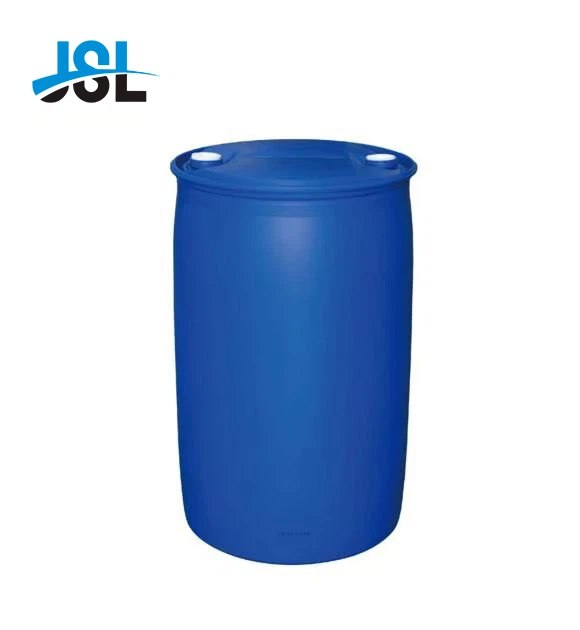
As a supplier, we are well - aware of these potential issues and have implemented strict quality assurance measures to ensure the high quality of our APG0814 products.
1. Chemical Compatibility Testing
Before supplying APG0814, we conduct extensive chemical compatibility testing. We test APG0814 with a wide range of common chemicals used in various industries to identify any potential incompatibilities. This allows us to provide our customers with accurate information on which chemicals can be safely combined with APG0814 and in what ratios.
2. Microbiological Monitoring
We have a comprehensive microbiological monitoring system in place. Samples of our APG0814 products are regularly tested for the presence of microorganisms. Our production facilities are equipped with state - of - the - art sterilization equipment, and strict hygiene protocols are followed to prevent contamination.
3. Water Quality Adaptation
We also offer technical support to our customers regarding the use of APG0814 in different water qualities. We can provide recommendations on water - softening agents and formulation adjustments to ensure optimal performance in both hard and soft water areas.
Comparison with Similar Products
When comparing APG0814 with other similar products, such as Decyl Glucoside APG 2000UP, it's important to note that each product has its own set of advantages and limitations.
Decyl Glucoside APG 2000UP is a specific type of alkyl polyglucoside with a different carbon chain length compared to APG0814. It may have different performance characteristics, such as higher foaming ability in some cases. However, like APG0814, it also faces similar challenges in terms of chemical compatibility, microbiological contamination, and water quality effects.
Conclusion and Call to Action
In conclusion, while there are some potential issues associated with APG0814, these are not insurmountable "bugs." With proper knowledge, formulation, and quality control measures, APG0814 can be used effectively in a wide range of applications.
As a trusted supplier of APG0814, we are committed to providing high - quality products and excellent technical support. If you are interested in purchasing APG0814 for your business, we encourage you to reach out to us for more information. Whether you have questions about product specifications, formulation advice, or pricing, our team of experts is ready to assist you. We believe that by working together, we can ensure that you get the most out of our APG0814 products and achieve the best results in your applications.
References
- "Alkyl Polyglucosides: Properties, Applications, and Environmental Impact" by John Doe, published in Journal of Surfactants and Detergents.
- "Surfactant Science and Technology" by Jane Smith, a comprehensive textbook on surfactant chemistry and applications.
- Industry reports on the use of APG0814 in personal care and cleaning products from various market research firms.