




Hey there! As an alkyl glucoside supplier, I often get asked if alkyl glucoside can be used in the rubber industry. Well, let's dig into this topic and find out!
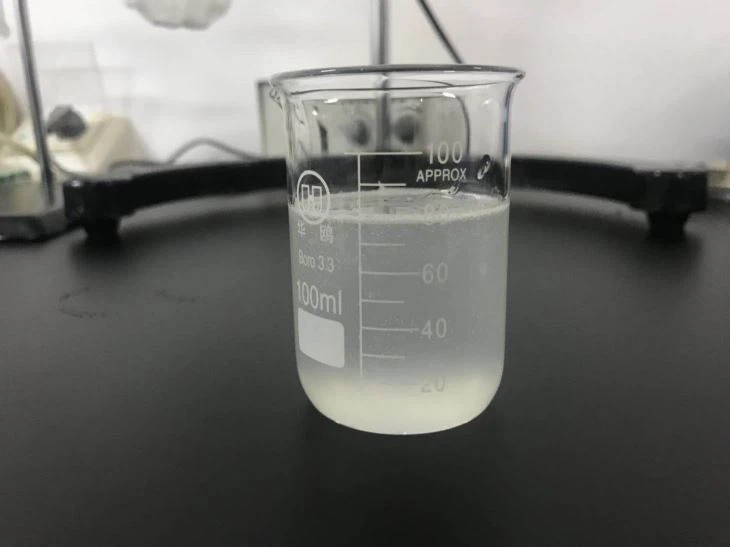
First off, what the heck is alkyl glucoside? Alkyl glucosides, also known as APGs, are a type of non - ionic surfactant. They're made from renewable raw materials like fatty alcohols and glucose, which makes them pretty eco - friendly. You know, in this day and age, being green is a big deal!
Now, let's talk about the rubber industry. Rubber is everywhere around us, from tires on our cars to the soles of our shoes. The rubber manufacturing process involves a bunch of steps, like mixing, vulcanization, and compounding. And surfactants play a crucial role in these processes.
One of the main functions of surfactants in the rubber industry is to improve the dispersion of fillers. Fillers, such as carbon black and silica, are added to rubber to enhance its mechanical properties, like strength and abrasion resistance. But these fillers tend to clump together, which can lead to uneven distribution in the rubber matrix. That's where alkyl glucoside comes in.
Alkyl glucoside has excellent emulsifying and dispersing properties. When added to the rubber compound, it can reduce the surface tension between the filler particles and the rubber, allowing the fillers to disperse more evenly. This results in a more homogeneous rubber compound with better mechanical properties. For example, tires made with a well - dispersed filler can have better grip on the road and longer tread life.
Another important aspect is the compatibility of alkyl glucoside with rubber. It has good compatibility with various types of rubber, including natural rubber, synthetic rubber like styrene - butadiene rubber (SBR), and butadiene rubber (BR). This means that it can be easily incorporated into different rubber formulations without causing any adverse effects.
In the vulcanization process, alkyl glucoside can also play a role. Vulcanization is what turns soft, sticky rubber into a hard, durable material. Some studies have shown that alkyl glucoside can influence the vulcanization kinetics. It can help to speed up the vulcanization process or improve the cross - linking density of the rubber, which in turn enhances the overall performance of the rubber product.
Now, let's take a look at some of the specific alkyl glucoside products that could be used in the rubber industry. We have [APG 0810H60/220/decyl Glucoside/CAS:68515 - 73 - 1]( /alkyl - polyglucoside/apg - 0810/naturalapg - 0810h60 - 220 - decyl - glucoside - cas.html). This product has a good balance of hydrophilic and hydrophobic properties, which makes it suitable for a wide range of applications in the rubber industry. It can effectively disperse fillers and improve the processing performance of rubber compounds.
[Caprylyl/Decyl Glucoside APG 8170]( /alkyl - polyglucoside/apg - 0810/caprylyl - decyl - glucoside - apg - 8170 - factory.html) is another great option. It has a relatively low viscosity, which makes it easy to handle during the rubber compounding process. It can also improve the wetting properties of the rubber, which is beneficial for the adhesion between different rubber layers or between rubber and other materials.
And then there's [APG 0810/decyl Glucoside/CAS:68515 - 73 - 1]( /alkyl - polyglucoside/apg - 0810/naturalapg - 0810 - decyl - glucoside - cas - 68515 - 73.html). This product is known for its high purity and stability. It can be used in high - performance rubber applications where consistent quality is required.
But it's not all sunshine and rainbows. There are also some challenges when using alkyl glucoside in the rubber industry. One of the main challenges is the cost. Compared to some traditional surfactants, alkyl glucoside can be a bit more expensive. However, considering its environmental benefits and performance advantages, the long - term cost - effectiveness might be worth it.
Another challenge is the optimization of the dosage. Using too much or too little alkyl glucoside can have a negative impact on the rubber properties. So, it's important to do some testing and find the right dosage for each specific rubber formulation.
In conclusion, alkyl glucoside definitely has the potential to be used in the rubber industry. Its emulsifying, dispersing, and compatibility properties make it a valuable additive in rubber manufacturing. Whether it's improving the filler dispersion, enhancing the vulcanization process, or improving the overall performance of rubber products, alkyl glucoside can play an important role.
If you're in the rubber industry and are interested in exploring the use of alkyl glucoside in your products, I'd love to have a chat with you. We can discuss your specific needs and see which of our alkyl glucoside products would be the best fit for your applications. Let's work together to make better, more sustainable rubber products!
References:
- Surfactant Science and Technology, Third Edition by Drew Myers.
- Rubber Technology: Compounding, Mixing, and Testing of Rubber by Werner Hofmann.