



In the realm of legal cases, every piece of evidence, every code, and every number can hold a profound significance. As a supplier of 110615 47 9, I've witnessed firsthand how this seemingly random sequence of digits can play a pivotal role in legal matters. In this blog, I'll delve into the significance of 110615 47 9 in a legal case, drawing on my experiences as a supplier and the broader context of the industry.
Understanding the Basics: What is 110615 47 9?
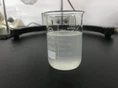
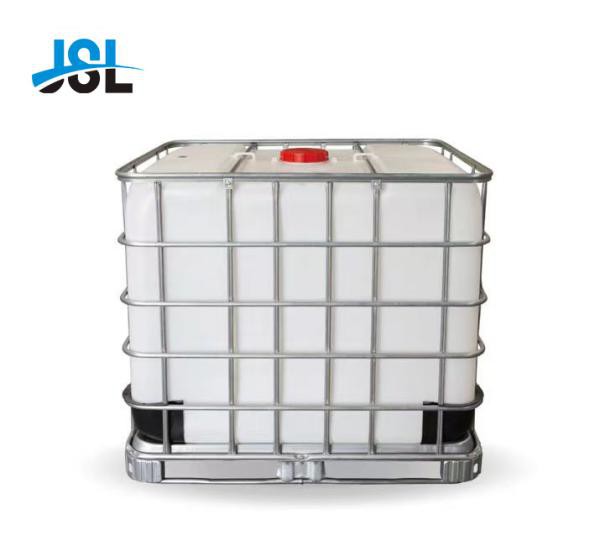
The number 110615 47 9 is the Chemical Abstracts Service (CAS) number for Lauryl Glucoside, a mild and biodegradable surfactant widely used in the cosmetic, personal care, and cleaning industries. APG 1214/lauryl Glucoside/CAS:110615-47-9 is a specific form of this compound that is known for its excellent foaming properties and low irritation potential. As a supplier, I've provided this product to numerous clients, each with their own unique requirements and applications.
The Role of CAS Numbers in Legal Cases
CAS numbers serve as a universal identifier for chemical compounds, allowing scientists, regulators, and legal professionals to accurately reference and track specific substances. In a legal case, the CAS number can be used to establish the identity of a chemical involved in a dispute, whether it's a product liability claim, an environmental lawsuit, or a regulatory compliance issue.
For example, in a product liability case, the plaintiff may allege that a cosmetic product caused an allergic reaction due to the presence of a specific chemical. The CAS number can be used to confirm the identity of the chemical in question and to determine whether it meets the safety standards set by regulatory agencies. Similarly, in an environmental lawsuit, the CAS number can be used to track the source and movement of a chemical pollutant, helping to identify the responsible parties and assess the extent of the damage.
My Experience as a Supplier in Legal Cases
Over the years, I've been involved in several legal cases where the CAS number 110615 47 9 played a crucial role. In one case, a client was facing a product liability claim after a consumer reported an allergic reaction to a shampoo containing Lauryl Glucoside. As the supplier, I was asked to provide documentation confirming the identity and quality of the product, including the CAS number and the relevant safety data sheets.
By providing this information, I was able to help the client demonstrate that the product was in compliance with all relevant regulations and that the allergic reaction was likely due to other factors. This ultimately helped to resolve the case in the client's favor, highlighting the importance of accurate record-keeping and documentation in legal matters.
In another case, I was involved in a regulatory compliance issue where a client was accused of using a non-compliant form of Lauryl Glucoside in their cleaning products. The CAS number was used to verify the identity of the product and to determine whether it met the specific requirements set by the regulatory agency. Through careful analysis and documentation, we were able to demonstrate that the product was indeed compliant, avoiding potential fines and legal consequences for the client.
The Significance of Quality Assurance and Documentation
As a supplier, one of the most important aspects of my role is to ensure the quality and compliance of the products I provide. This involves implementing rigorous quality assurance measures, conducting regular testing and analysis, and maintaining detailed records of all transactions and product specifications.
In a legal case, this documentation can be invaluable, providing evidence of the product's identity, quality, and compliance with relevant regulations. By keeping accurate records and providing clear and concise documentation, I can help my clients protect themselves against potential legal disputes and ensure the smooth operation of their businesses.
The Impact of Legal Cases on the Industry
Legal cases involving chemical compounds like Lauryl Glucoside can have a significant impact on the industry as a whole. They can lead to changes in regulations, increased scrutiny of product safety, and a greater emphasis on transparency and accountability.

For example, a high-profile product liability case can raise awareness about the potential risks associated with certain chemicals, leading to increased consumer demand for safer and more sustainable products. This, in turn, can drive innovation and investment in the development of new and improved chemical formulations.
Similarly, regulatory compliance issues can prompt companies to review and update their manufacturing processes and quality control measures, ensuring that they meet the highest standards of safety and environmental responsibility. This can help to improve the overall reputation of the industry and build trust with consumers.
The Future of 110615 47 9 in Legal Cases
As the demand for safe and sustainable products continues to grow, the significance of 110615 47 9 in legal cases is likely to increase. With the increasing complexity of regulations and the growing awareness of the potential risks associated with chemical compounds, it's more important than ever for suppliers and manufacturers to ensure the quality and compliance of their products.
In the future, we can expect to see more legal cases involving Lauryl Glucoside and other chemical compounds, as consumers become more informed and demanding about the products they use. This will require suppliers and manufacturers to be proactive in addressing potential legal issues, implementing robust quality assurance measures, and maintaining detailed records of all transactions and product specifications.
Conclusion
In conclusion, the CAS number 110615 47 9 plays a crucial role in legal cases involving Lauryl Glucoside. As a supplier, I've seen firsthand how this number can be used to establish the identity and quality of a product, demonstrate compliance with regulations, and resolve disputes in a fair and efficient manner.
By understanding the significance of 110615 47 9 in legal cases and taking proactive steps to ensure the quality and compliance of our products, we can help to protect our clients, our businesses, and the industry as a whole. If you're interested in learning more about APG 1214/lauryl Glucoside/CAS:110615-47-9 or Lauryl Glucoside 1200UP, or if you have any questions about our products or services, please don't hesitate to contact us to discuss your specific needs and requirements.
References
- Chemical Abstracts Service (CAS). (n.d.). CAS Registry Number. Retrieved from https://www.cas.org/support/documentation/chemical-substances/cas-registry-number
- European Chemicals Agency (ECHA). (n.d.). Lauryl Glucoside. Retrieved from https://echa.europa.eu/substance-information/-/substanceinfo/100.029.432
- U.S. Environmental Protection Agency (EPA). (n.d.). Surfactants. Retrieved from https://www.epa.gov/chemical-research/surfactants