


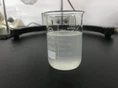

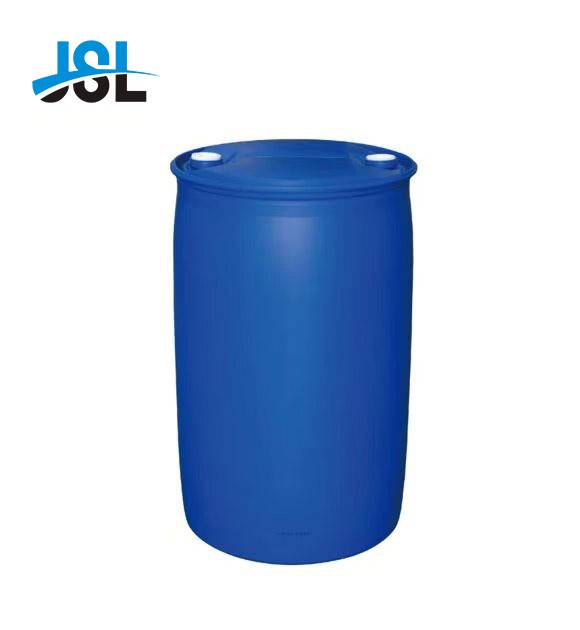
As a supplier of APG220, I've often been asked whether APG220 can be used in industrial applications. In this blog post, I'll delve into the properties of APG220 and explore its potential in various industrial settings.
Understanding APG220
APG220, also known as APG 0810H60/220/decyl Glucoside/CAS:68515 - 73 - 1, belongs to the family of alkyl polyglucosides (APGs). APGs are non - ionic surfactants derived from renewable raw materials such as fatty alcohols and glucose. This makes APG220 an environmentally friendly option compared to many traditional surfactants.
One of the key features of APG220 is its excellent surface - active properties. It can significantly reduce the surface tension of water, which is crucial for many industrial processes. For example, in cleaning applications, a lower surface tension allows the cleaning solution to spread more easily on the surface to be cleaned, enhancing the wetting and penetration ability.
Industrial Cleaning Applications
Industrial cleaning is one of the most prominent areas where APG220 can be effectively used. In the manufacturing industry, machinery and equipment often get contaminated with various types of dirt, grease, and oil. APG220's strong emulsifying and dispersing capabilities make it an ideal ingredient in industrial cleaning agents.
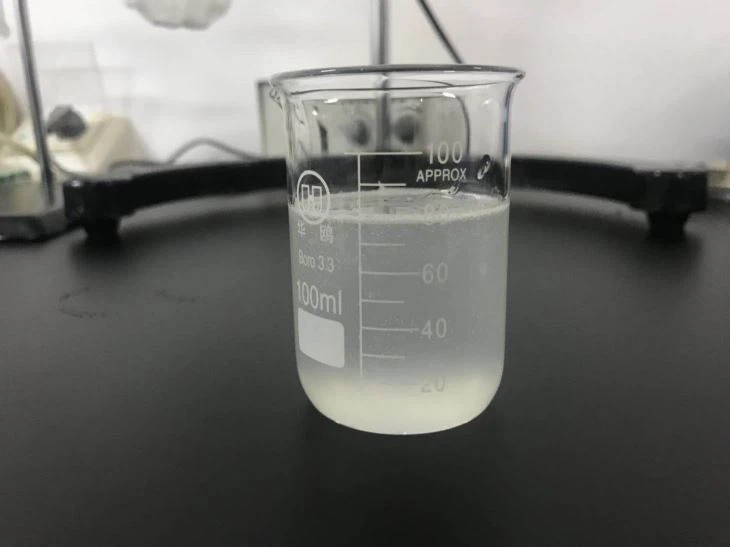
It can be formulated into degreasers for metal parts. When used in a degreasing solution, APG220 can break down the oil and grease on the metal surface, allowing them to be easily rinsed away. Moreover, its non - ionic nature means that it is less likely to react with metal surfaces, reducing the risk of corrosion. This is especially important for industries that rely on high - precision metal components, such as the aerospace and automotive industries.
In addition, APG220 is also suitable for cleaning floors and walls in industrial facilities. It can be used in floor cleaners to remove dirt, grime, and even stubborn stains. Its low foam property is an advantage in industrial cleaning processes where excessive foam can interfere with the cleaning equipment and operations.
Agricultural Applications
In the agricultural sector, APG220 can play a role in pesticide formulations. Pesticides need to be evenly distributed on the plant surface to be effective. APG220 can act as a wetting and spreading agent in pesticide solutions. By reducing the surface tension of the pesticide spray, it ensures that the spray droplets can spread evenly on the leaves and stems of plants, improving the coverage and effectiveness of the pesticide.
Furthermore, APG220 is biodegradable, which is a significant advantage in agricultural applications. As environmental concerns are increasing, the use of biodegradable surfactants in pesticides helps to minimize the environmental impact. It also reduces the risk of residue buildup in the soil and water, which can be harmful to the ecosystem.
Textile Industry
The textile industry can also benefit from the use of APG220. In the textile processing, scouring is an important step to remove impurities such as wax, oil, and dirt from the fibers. APG220 can be used as a scouring agent due to its excellent emulsifying and cleaning properties.
It can also be used in the dyeing process. In dyeing, it is necessary to ensure that the dye is evenly distributed on the fabric. APG220 can improve the wetting ability of the dye solution, allowing the dye to penetrate the fibers more easily and uniformly. This results in more consistent coloration of the textile products.
Comparison with Other Surfactants
When compared with other commonly used surfactants, APG220 has several advantages. For example, compared to anionic surfactants, APG220 is less irritating to the skin and eyes. This is important in industrial applications where workers may come into contact with the surfactant - containing products.
Compared to cationic surfactants, APG220 has better compatibility with other chemicals. It can be used in combination with a wide range of other ingredients in formulations without causing precipitation or other chemical reactions. This flexibility makes it easier to formulate complex industrial products.
Challenges and Considerations
Although APG220 has many potential applications in industrial settings, there are also some challenges and considerations. One of the main challenges is the cost. APGs, including APG220, are generally more expensive to produce compared to some traditional surfactants. This may limit its widespread use in some cost - sensitive industries.
Another consideration is the performance under extreme conditions. In some industrial processes, such as high - temperature or high - pressure applications, the performance of APG220 may need to be further evaluated. However, ongoing research and development are focused on improving its performance under such conditions.
Conclusion
In conclusion, APG220 has great potential for use in a wide range of industrial applications. Its excellent surface - active properties, environmental friendliness, and compatibility with other chemicals make it a valuable ingredient in industrial formulations. Whether it's in industrial cleaning, agriculture, or the textile industry, APG220 can offer unique benefits.
If you are interested in exploring the use of APG220 in your industrial applications, I encourage you to reach out to me for more information and to discuss potential procurement opportunities. We can work together to find the best solutions for your specific needs.
References
- "Surfactants in Industrial Applications" by Myers, D.
- "Handbook of Surfactants" by Ash, M. and Ash, I.