


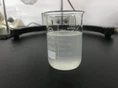

Hey there! I'm a supplier of APG 1214, and today I wanna dive into a question that many folks in the industry have been asking: Does APG 1214 have any antibacterial properties?
First off, let's get to know APG 1214 a bit better. APG 1214, also known as APG 1214/lauryl Glucoside/CAS:110615-47-9, is an alkyl polyglucoside. It's derived from renewable raw materials like fatty alcohols from coconut or palm kernel oil and glucose from corn starch. This makes it a more sustainable and eco - friendly alternative compared to some other chemical compounds.
Now, onto the big question about its antibacterial properties. To understand this, we need to look at how it works at a molecular level. APG 1214 has a unique structure. The hydrophilic (water - loving) glucose part and the hydrophobic (water - hating) fatty alcohol part allow it to interact with cell membranes of microorganisms.
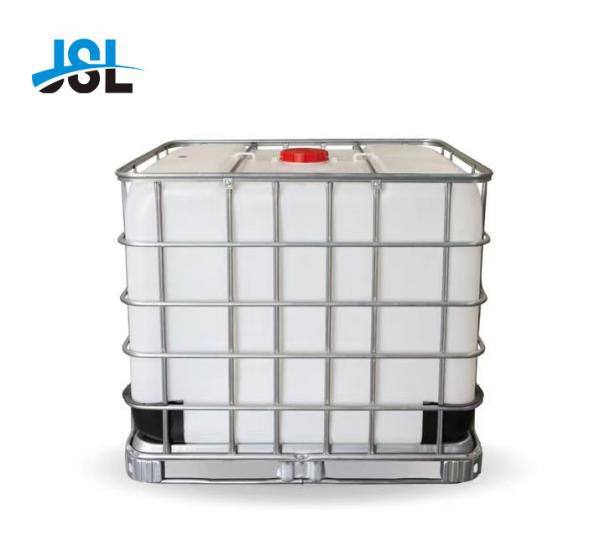

When APG 1214 comes into contact with bacteria, it can disrupt the integrity of the bacterial cell membrane. The hydrophobic part of APG 1214 can penetrate the lipid bilayer of the cell membrane, causing it to lose its structure and function. Once the cell membrane is damaged, essential substances like ions and nutrients can leak out of the cell, and the bacteria can't maintain its normal physiological processes. This ultimately leads to the death of the bacteria.
Several studies have been conducted to evaluate the antibacterial activity of APG 1214. In laboratory settings, it has been shown to have inhibitory effects against a variety of common bacteria. For example, it can be effective against Escherichia coli, which is a well - known bacterium that can cause food poisoning and other infections. Some research also indicates that APG 1214 can inhibit the growth of Staphylococcus aureus, a bacterium that can cause skin infections, pneumonia, and other serious health problems.
But it's important to note that the antibacterial effectiveness of APG 1214 can be influenced by several factors. One of the key factors is the concentration. Generally, a higher concentration of APG 1214 will have a stronger antibacterial effect. However, there's a balance to strike because using extremely high concentrations may not be practical or cost - effective in real - world applications.
The pH of the environment also matters. APG 1214 tends to work better in a certain pH range. In acidic or slightly alkaline conditions, its antibacterial activity can be optimized. If the pH is too extreme, it may affect the stability and activity of APG 1214.
Another factor is the presence of other substances. In some formulations, other ingredients may interact with APG 1214, either enhancing or reducing its antibacterial properties. For instance, if there are substances that can bind to APG 1214, it may reduce its ability to interact with bacteria.
Now, let's talk about the applications where the antibacterial properties of APG 1214 can be put to good use. In the personal care industry, products like body washes, shampoos, and hand soaps can benefit from its antibacterial action. It can help keep the skin and hair clean and free from harmful bacteria. For example, Lauryl Glucoside 1200UP is a form of APG 1214 that is often used in these types of products. It provides a gentle yet effective way to clean and protect the body.
In the household cleaning sector, APG 1214 can be used in surface cleaners. It can clean and disinfect countertops, floors, and other surfaces, helping to reduce the spread of bacteria in the home. Since it's derived from natural sources, it's also a safer option for households with children and pets.
In the food industry, APG 1214 can be used as a cleaning and sanitizing agent. It can be used to clean food processing equipment, which is crucial for preventing the growth and spread of bacteria that could contaminate food products.
However, while APG 1214 shows promise as an antibacterial agent, it's not a silver bullet. In some cases, it may need to be used in combination with other antibacterial agents to achieve the desired level of disinfection. For example, in a hospital setting where high - level disinfection is required, APG 1214 may be used along with more potent chemical disinfectants.
If you're in the market for APG 1214, whether for its antibacterial properties or other benefits like its eco - friendliness and mildness, I'm here to help. As a supplier, I can offer high - quality APG 1214 products such as APG 1214/lauryl Glucoside/CAS:110615-47-9. We ensure that our products meet strict quality standards and are produced in an environmentally responsible way.
If you're interested in purchasing APG 1214 for your business, don't hesitate to reach out. Whether you're in the personal care, household cleaning, or food industry, we can work together to find the right solution for your needs. Let's have a chat and see how APG 1214 can fit into your product formulations.
References:
- Research papers on the antibacterial activity of alkyl polyglucosides in scientific journals
- Industry reports on the applications of APG 1214 in different sectors