


Hey there! As a supplier of APG220, I've got a bunch of insights to share on how you can optimize the performance of this awesome product. APG220, or Alkyl Polyglucoside 220, is a non - ionic surfactant that's widely used in various industries, like personal care, household cleaning, and industrial applications. It's known for its excellent biodegradability, low toxicity, and good compatibility with other ingredients. Let's dive right into the tips and tricks!
1. Understand the Chemical Properties of APG220
Before you start trying to optimize its performance, it's crucial to understand what makes APG220 tick. APG220 is made up of a sugar - based head group and an alkyl chain. This unique structure gives it some great properties, such as high surface activity, good foaming ability, and excellent wetting properties.
The HLB (Hydrophilic - Lipophilic Balance) value of APG220 is around 12 - 14, which means it's suitable for both oil - in - water (O/W) and water - in - oil (W/O) emulsions. This makes it a versatile ingredient in many formulations. For example, in a body wash formulation, it can help to emulsify the oil - based moisturizers and keep them evenly dispersed in the water phase.

2. Proper Storage Conditions
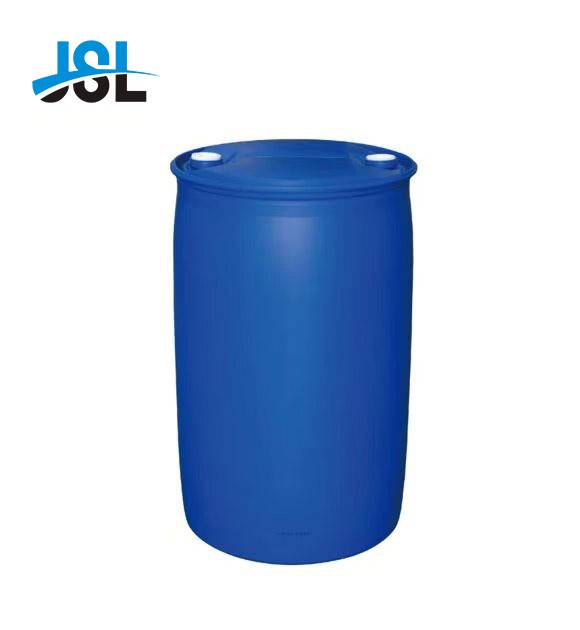
Storing APG220 correctly is super important to maintain its performance. APG220 should be stored in a cool, dry place away from direct sunlight. High temperatures can cause the product to degrade over time, which will affect its performance.
Ideally, the storage temperature should be between 5°C and 35°C. If the temperature gets too low, APG220 may start to solidify. But don't worry, you can gently heat it up to a suitable temperature to make it liquid again. Just make sure you don't overheat it. Also, keep the container tightly sealed to prevent moisture and air from getting in, as this can also lead to degradation.
3. Compatibility with Other Ingredients
One of the great things about APG220 is its high compatibility with other ingredients. However, you still need to be careful when formulating with it. For example, it's compatible with most non - ionic, anionic, and amphoteric surfactants. You can combine it with APG 0810H65/decyl Glucoside/CAS:68515 - 73 - 1 to enhance the foaming and cleaning power of your product.
On the other hand, APG220 may not be compatible with some cationic surfactants. When mixed with cationic surfactants, it can form insoluble complexes, which will reduce the performance of your formulation. So, always do a compatibility test before you start large - scale production.
4. Optimal Concentration
Finding the right concentration of APG220 in your formulation is key to optimizing its performance. The optimal concentration depends on the specific application. In general, for personal care products like shampoos and body washes, a concentration of 5% - 20% is common.
If the concentration is too low, you may not get the desired cleaning and foaming effects. On the other hand, if the concentration is too high, it can cause skin irritation, especially for people with sensitive skin. So, it's important to do some trials to find the sweet spot for your product.
5. pH Adjustment
The performance of APG220 can be affected by the pH of the formulation. APG220 is stable in a wide pH range, usually from 3 to 11. However, its performance may vary at different pH values.
For example, in a slightly acidic to neutral pH range (pH 5 - 7), APG220 shows better foaming and cleaning properties. If you're formulating a product like a facial cleanser, you may want to adjust the pH to this range to get the best results. You can use pH adjusters like citric acid or sodium hydroxide to adjust the pH of your formulation.
6. Mixing and Homogenization
Proper mixing and homogenization are essential to ensure that APG220 is evenly distributed in your formulation. When adding APG220 to your formulation, it's best to add it slowly while stirring. This will help to prevent the formation of lumps.
After adding all the ingredients, use a high - shear mixer to homogenize the formulation. This will break down any aggregates and ensure that all the ingredients are well - mixed. A well - homogenized formulation will have better stability and performance.
7. Application - Specific Optimization
Depending on the application, you may need to make some specific optimizations. For example, in household cleaning products, you may want to enhance the degreasing power of APG220. You can do this by combining it with other degreasing agents like APG 0810/decyl Glucoside/CAS:68515 - 73 - 1.
In personal care products, you may want to improve the moisturizing effect. You can add some natural oils or humectants to the formulation. Caprylyl/Decyl Glucoside APG215 CS UP can also be used in combination with APG220 to enhance the mildness and performance of the product.
8. Quality Control
Regular quality control is important to ensure that the performance of APG220 in your product remains consistent. You can test the foaming ability, cleaning power, and stability of your product at regular intervals.
There are various methods to test these properties. For example, you can use a foam height test to measure the foaming ability. To test the cleaning power, you can use a standard soiling test. By monitoring these properties, you can quickly identify any issues and make the necessary adjustments.
Conclusion
Optimizing the performance of APG220 requires a combination of understanding its chemical properties, proper storage, careful formulation, and regular quality control. By following these tips, you can get the most out of APG220 in your products.
If you're interested in purchasing APG220 or have any questions about its performance optimization, feel free to reach out to us. We're here to help you create high - quality products with APG220.
References
- "Surfactant Science and Technology" by Milton J. Rosen and Martin J. Kunjappu
- Various industry reports on alkyl polyglucosides and their applications.