



As a supplier of APG 1214, I understand that proper transportation is crucial to ensure the product reaches our customers in optimal condition. APG 1214, also known as Lauryl Glucoside with CAS: 110615 - 47 - 9, is a widely used non - ionic surfactant in various industries such as cosmetics, detergents, and personal care products. In this blog, I will share some key aspects on how to transport APG 1214 safely and efficiently.
Understanding APG 1214 Properties
Before delving into transportation methods, it's essential to understand the properties of APG 1214. APG 1214 is a clear to slightly hazy liquid at room temperature. It has good solubility in water and is relatively stable under normal conditions. However, it can be affected by extreme temperatures, both high and low. High temperatures may cause the product to degrade or change its physical properties, while extremely low temperatures can lead to crystallization or solidification.
Packaging for Transportation
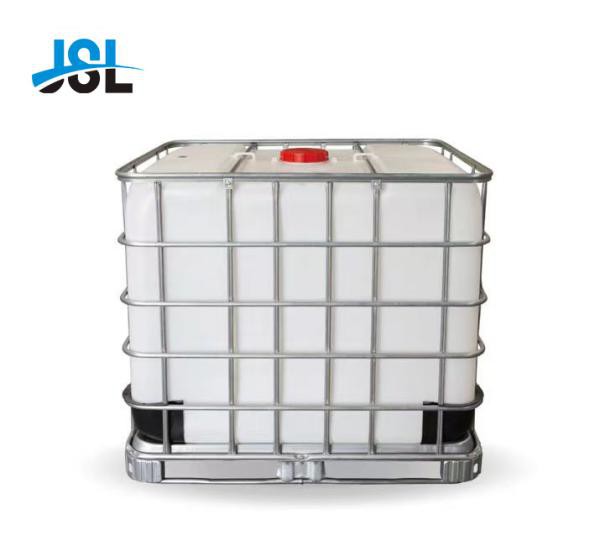
The first step in transporting APG 1214 is proper packaging. We use high - quality containers that are resistant to corrosion and leakage. For small - scale shipments, we typically use plastic drums or cans. These containers are made of materials that are compatible with APG 1214 to prevent any chemical reactions. The drums are sealed tightly to prevent any spillage during transit.
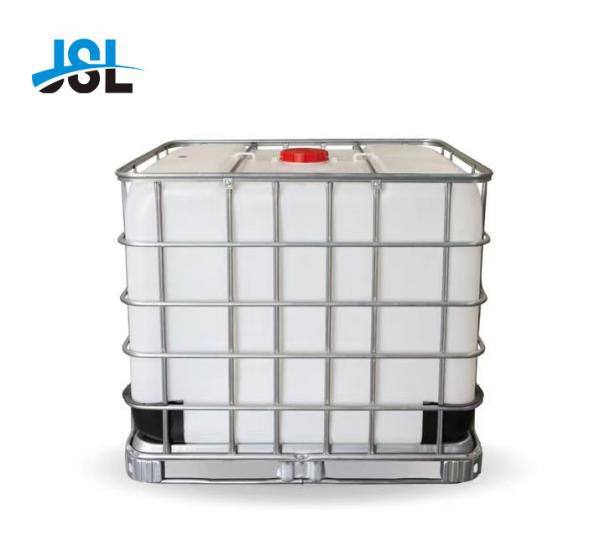
For large - scale shipments, we opt for bulk tankers. These tankers are designed specifically for transporting liquid chemicals. They are equipped with safety features such as pressure relief valves and leak - detection systems. Before filling the tanker with APG 1214, it is thoroughly cleaned and inspected to ensure there are no residues from previous cargos that could contaminate the product.
Temperature Control during Transportation
As mentioned earlier, temperature plays a vital role in maintaining the quality of APG 1214. During transportation, we try to keep the product within a specific temperature range. If the ambient temperature is too high, we may use insulated containers or refrigerated trucks. Insulated containers help to reduce the impact of external heat on the product, while refrigerated trucks can actively control the temperature inside the container.
Conversely, in cold climates, we need to prevent the APG 1214 from freezing. We can use heating systems in the containers or trucks to keep the product at a suitable temperature. Some containers are equipped with built - in heating coils that can be activated when the temperature drops below a certain level.
Documentation and Labeling
Proper documentation is a must when transporting APG 1214. We provide detailed product information, including the chemical composition, safety data sheet (SDS), and handling instructions. The SDS contains important information about the product's hazards, first - aid measures, and emergency response procedures. This document is crucial for the safety of the transportation personnel and anyone who may come into contact with the product during transit.
In addition to documentation, clear labeling is also essential. Each container is labeled with the product name (APG 1214/lauryl Glucoside/CAS:110615 - 47 - 9), APG 1214/lauryl Glucoside/CAS:110615 - 47 - 9, the quantity, and any relevant hazard warnings. The labels are printed in a visible and durable manner to ensure they remain legible throughout the transportation process.
Choosing the Right Transportation Mode
There are several transportation modes available for shipping APG 1214, including road, rail, sea, and air. The choice of transportation mode depends on various factors such as the quantity of the shipment, the destination, and the urgency of delivery.
- Road Transportation: Road transportation is a popular choice for short - distance and small - to - medium - sized shipments. Trucks offer flexibility in terms of pick - up and delivery locations. They can reach remote areas that may not be accessible by other modes of transportation. However, road transportation is subject to traffic conditions and regulatory requirements, which may affect the delivery time.
- Rail Transportation: Rail is suitable for large - scale shipments over long distances. It is more cost - effective than road transportation for bulk cargo. Railcars are designed to carry liquid chemicals safely and can transport large volumes at once. However, rail transportation may have limited access to some areas, and the loading and unloading process can be more complex.
- Sea Transportation: For international shipments, sea transportation is often the most economical option. Cargo ships can carry large quantities of APG 1214 in bulk tankers or containers. However, sea transportation has a longer transit time compared to other modes, and it is also subject to weather conditions and port regulations.
- Air Transportation: Air transportation is the fastest option but is also the most expensive. It is typically used for urgent and small - quantity shipments. Airlines have strict safety regulations for transporting chemicals, so proper packaging and documentation are even more critical when choosing air transportation.
Safety Precautions during Transportation
Safety should always be the top priority when transporting APG 1214. The transportation personnel should be trained on how to handle the product safely. They should wear appropriate personal protective equipment (PPE), such as gloves, goggles, and protective clothing.
In case of an emergency, such as a spill or leakage, there should be an emergency response plan in place. The transportation vehicles and containers are equipped with spill - containment materials, such as absorbent pads and spill kits. The personnel should be trained to use these materials effectively to minimize the impact of the spill.
Monitoring and Tracking
We use advanced monitoring and tracking systems to keep an eye on the APG 1214 during transportation. These systems can provide real - time information about the temperature, pressure, and location of the shipment. If there are any deviations from the normal conditions, we can take immediate action to address the issue.
For example, if the temperature inside the container rises above the acceptable range, we can contact the transportation personnel to take corrective measures, such as adjusting the cooling system or finding a suitable place to stop and cool down the product.
Conclusion
Transporting APG 1214 requires careful planning and attention to detail. From proper packaging and temperature control to choosing the right transportation mode and ensuring safety, every step is crucial to deliver the product in its best condition. As a reliable supplier of APG 1214, we are committed to providing high - quality products and ensuring their safe transportation.
If you are interested in purchasing APG 1214, whether it's APG 1214/lauryl Glucoside/CAS:110615 - 47 - 9 or Lauryl Glucoside 1200UP, please feel free to contact us for further details and to start a procurement negotiation. Our team of experts is ready to assist you with all your APG 1214 needs.
References
- Chemical Safety Data Sheet for APG 1214
- Industry standards for transporting liquid chemicals
- Transportation regulations for hazardous and non - hazardous chemicals