




Is APG215 a natural product? This is a question that often arises among those in the chemical and consumer product industries. As a supplier of APG215, I am well - versed in the nature of this product and am eager to share some insights.
Understanding APG215
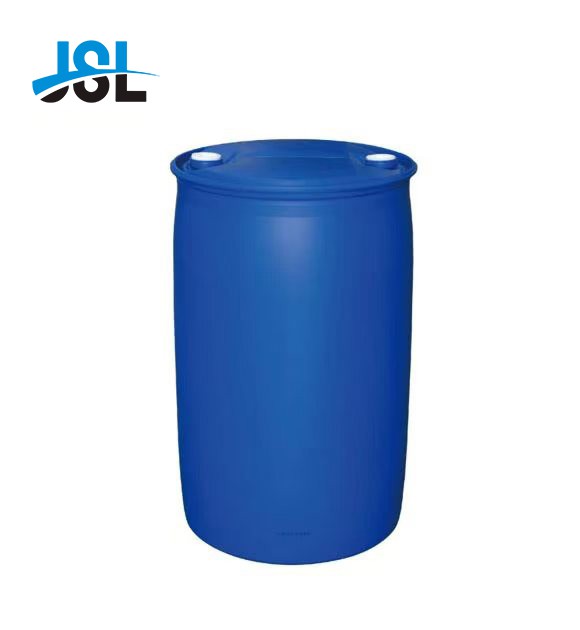
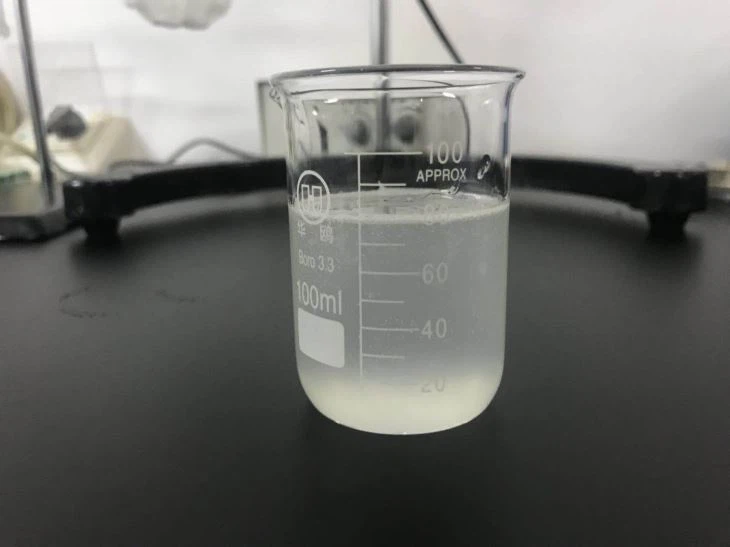
APG215, also known as Caprylyl/Decyl Glucoside APG215 CS UP, is a type of alkyl polyglucoside (APG). APGs are a class of non - ionic surfactants that have gained significant popularity in recent years due to their excellent performance and environmental friendliness. Click here to learn more about Caprylyl/Decyl Glucoside APG215 CS UP
The Natural Origins of APG215
To determine whether APG215 is a natural product, we need to look at its raw materials and production process. APG215 is typically synthesized from renewable raw materials. The main starting materials are fatty alcohols and glucose. Fatty alcohols can be derived from natural fats and oils, such as coconut oil or palm kernel oil. These oils are abundant in nature and are renewable resources. Glucose, on the other hand, is a simple sugar that can be obtained from starch, which is commonly sourced from corn, wheat, or potatoes.
The production process of APG215 involves a chemical reaction between the fatty alcohols and glucose. This reaction is a glycosylation process, which is a well - established chemical method. However, it is important to note that the use of natural raw materials and relatively mild reaction conditions contribute to the "natural - like" characteristics of APG215.
Comparing with Other APG Products
There are other APG products in the market, such as APG 0810H60/220/decyl Glucoside/CAS:68515 - 73 - 1 and APG 0810/decyl Glucoside/CAS:68515 - 73 - 1. These products also share similar raw material sources and production principles with APG215. They are all based on the combination of natural fatty alcohols and glucose, which further supports the claim that APG215 has natural origins.
Environmental and Safety Advantages
One of the reasons why APG215 is considered a more "natural" alternative in the surfactant market is its environmental and safety advantages. APG215 is readily biodegradable, which means it can be broken down by microorganisms in the environment into harmless substances. This property makes it an ideal choice for products that are designed to be environmentally friendly, such as household cleaning products, personal care products, and industrial detergents.
In terms of safety, APG215 has low toxicity and is less irritating to the skin and eyes compared to some traditional synthetic surfactants. This makes it suitable for use in products that come into direct contact with the human body, such as shampoos, body washes, and facial cleansers.
Market Perception and Regulatory Considerations
The market perception of APG215 as a natural product is also influenced by regulatory standards. In many countries, there are specific regulations and definitions regarding what can be labeled as "natural." While APG215 is not entirely "natural" in the strictest sense because it undergoes a chemical synthesis process, its use of natural raw materials and its environmental and safety profiles often allow it to meet the criteria for being classified as a "natural - derived" or "eco - friendly" product.
Applications in Various Industries
The natural - like characteristics of APG215 make it suitable for a wide range of applications. In the personal care industry, it is used in products such as toothpaste, where it provides good foaming properties and is gentle on the oral mucosa. In the household cleaning sector, APG215 is used in dishwashing liquids, laundry detergents, and all - purpose cleaners. Its ability to remove dirt and grease effectively while being environmentally friendly makes it a popular choice among consumers who are concerned about the impact of cleaning products on the environment.
In the industrial field, APG215 can be used as an emulsifier, wetting agent, and dispersant. Its compatibility with other chemicals and its stability under different conditions make it a versatile ingredient in industrial formulations.
Quality Control in APG215 Production
As a supplier of APG215, we understand the importance of quality control. We ensure that the raw materials used in the production of APG215 are of high quality and sourced from reliable suppliers. During the production process, we follow strict quality management systems to monitor and control every step of the reaction. This includes controlling the reaction temperature, pressure, and reaction time to ensure the consistency and purity of the final product.
Meeting Customer Demands
We are committed to meeting the diverse demands of our customers. Whether it is providing different grades of APG215 to suit specific applications or offering customized solutions, we strive to provide the best products and services. Our technical support team is always ready to assist customers in understanding the properties and applications of APG215 and to help them optimize their formulations.
Conclusion
In conclusion, while APG215 is not a purely natural product in the sense that it is synthesized through a chemical process, it can be considered a natural - derived product due to its use of renewable raw materials from natural sources, its environmental friendliness, and its safety profile. The growing demand for sustainable and eco - friendly products in the market has made APG215 an increasingly popular choice.
If you are interested in purchasing APG215 for your business, we invite you to contact us for more information and to start a procurement discussion. We are confident that our high - quality APG215 products will meet your needs and contribute to the success of your products in the market.
References
- "Surfactants in Consumer Products: Theory, Technology and Application" by K. Holmberg, B. Jönsson, B. Kronberg, and B. Lindman.
- "Encyclopedia of Surface and Colloid Science" edited by A. Hubbard.
- Industry reports on the alkyl polyglucoside market.