





As a supplier of the chemical compound with the CAS number 68515 - 73 - 1, also known as Decyl Glucoside, I often receive inquiries about its properties, applications, and safety. One of the most critical questions that comes up is regarding its carcinogenicity. In this blog post, I aim to provide a comprehensive and scientific analysis of the carcinogenic potential of 68515 - 73 - 1, based on available research and regulatory assessments.
Understanding 68515 - 73 - 1 (Decyl Glucoside)
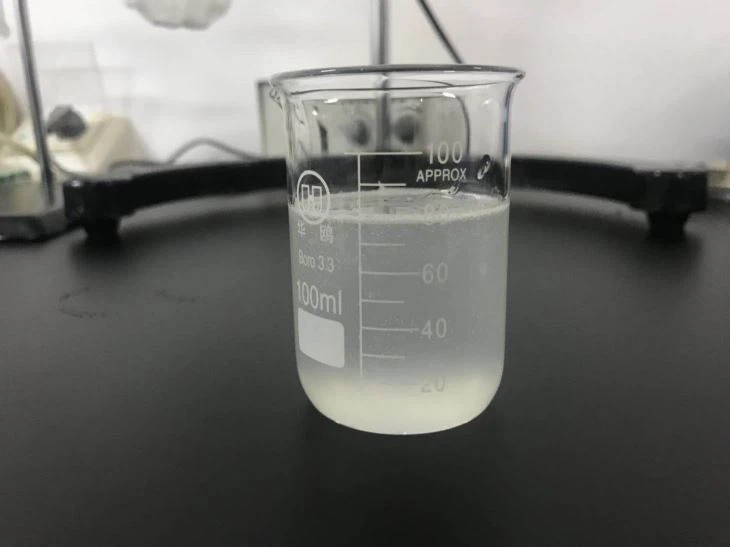
Decyl Glucoside is a non - ionic surfactant that belongs to the class of alkyl polyglucosides (APGs). It is derived from renewable raw materials, typically glucose from corn starch and fatty alcohols from coconut or palm kernel oil. Due to its excellent surface - active properties, mildness, and biodegradability, it has gained widespread use in various industries, including personal care, household cleaning, and industrial applications.
- Personal Care Products: Decyl Glucoside is commonly found in shampoos, body washes, facial cleansers, and baby care products. Its mild nature makes it suitable for sensitive skin, as it causes less irritation compared to some traditional surfactants.
- Household Cleaning: It is used in dishwashing liquids, laundry detergents, and all - purpose cleaners. Its ability to lower the surface tension of water effectively helps in removing dirt and grease.
- Industrial Applications: In the industrial sector, it can be used in metal cleaning, textile processing, and agricultural formulations.
Carcinogenicity Assessment
To determine the carcinogenicity of 68515 - 73 - 1, we need to examine various types of evidence, including in - vitro studies, in - vivo animal studies, and human epidemiological data.
In - Vitro Studies
In - vitro studies are conducted in test tubes or petri dishes to evaluate the effects of a chemical on cells. Research on Decyl Glucoside has shown that it does not cause genetic mutations in bacteria (Ames test) or chromosomal aberrations in mammalian cells. These results suggest that Decyl Glucoside does not have direct genotoxic potential, which is an important factor in carcinogenesis. Genotoxicity refers to the ability of a chemical to damage DNA, which can lead to mutations and potentially cancer development.
In - Vivo Animal Studies
Animal studies are an important part of assessing the carcinogenic potential of a chemical. Long - term studies in rodents have been conducted on Decyl Glucoside. These studies involve exposing animals to different doses of the chemical over their lifespan and monitoring for the development of tumors. The results of these studies have consistently shown no significant increase in the incidence of tumors in animals exposed to Decyl Glucoside compared to the control group. This indicates that, under the experimental conditions, Decyl Glucoside does not exhibit carcinogenic effects in animals.

Human Epidemiological Data
Epidemiological studies involve observing human populations to determine if there is an association between exposure to a chemical and the development of cancer. Currently, there is no evidence from human epidemiological studies to suggest that exposure to Decyl Glucoside is associated with an increased risk of cancer. This lack of evidence, combined with the negative results from in - vitro and in - vivo animal studies, provides strong support for the safety of Decyl Glucoside in terms of carcinogenicity.
Regulatory Assessments
Regulatory agencies around the world play a crucial role in evaluating the safety of chemicals. For Decyl Glucoside, several regulatory bodies have reviewed the available data and concluded that it is not a carcinogen.
- European Union: The European Chemicals Agency (ECHA) has included Decyl Glucoside in its list of substances that are considered safe for use in various applications. It has not been classified as a carcinogen, mutagen, or reproductive toxicant under the EU's REACH regulation.
- United States: The U.S. Food and Drug Administration (FDA) allows the use of Decyl Glucoside in food - contact materials and personal care products. The Occupational Safety and Health Administration (OSHA) does not list it as a carcinogen in its Hazard Communication Standard.
Our Products
As a supplier, we offer high - quality Decyl Glucoside products, including Caprylyl/Decyl Glucoside APG 8170, Caprylyl/Decyl Glucoside APG215 CS UP, and APG 0810/decyl Glucoside/CAS:68515 - 73 - 1. These products are manufactured under strict quality control standards to ensure their purity and safety.
Our Decyl Glucoside products are known for their excellent performance and environmental friendliness. They are widely used by our customers in different industries, and we have received positive feedback on their quality and effectiveness.
Conclusion
Based on the available scientific evidence from in - vitro studies, in - vivo animal studies, human epidemiological data, and regulatory assessments, there is no indication that 68515 - 73 - 1 (Decyl Glucoside) has carcinogenic potential. It is a safe and reliable chemical compound that has been widely used in various industries for many years.
If you are interested in our Decyl Glucoside products, whether it is for personal care, household cleaning, or industrial applications, we welcome you to contact us for more information and to discuss your procurement needs. Our team of experts is ready to provide you with detailed product specifications, technical support, and competitive pricing.
References
- European Chemicals Agency (ECHA). (Year). REACH Regulation. Retrieved from [ECHA official website].
- U.S. Food and Drug Administration (FDA). (Year). Regulations on food - contact materials and personal care products. Retrieved from [FDA official website].
- Scientific research papers on in - vitro and in - vivo studies of Decyl Glucoside. (List specific research papers here with author, title, journal, and publication year).