


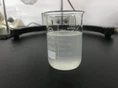

Is decyl glucoside affected by UV light?
As a supplier of decyl glucoside, I often encounter various questions from customers, and one that has come up frequently is whether decyl glucoside is affected by UV light. In this blog post, I will delve into this topic based on scientific knowledge and practical experience to provide you with a comprehensive answer.
Understanding Decyl Glucoside
Decyl glucoside is a mild, biodegradable surfactant that has gained significant popularity in the personal care and household cleaning industries. It is derived from natural sources, typically glucose from corn starch and fatty alcohols from coconut or palm kernel oil. Its excellent emulsifying, foaming, and cleansing properties, combined with its low toxicity and skin - friendly nature, make it a preferred choice for formulators.
We offer a range of decyl glucoside products, such as APG 0810H65/decyl Glucoside/CAS:68515 - 73 - 1, APG 0810H60/220/decyl Glucoside/CAS:68515 - 73 - 1, and APG 0810H70BG/decyl Glucoside/CAS:68515 - 73 - 1/BG - 10. These products have different specifications to meet the diverse needs of our customers in various applications.
The Impact of UV Light on Chemical Compounds
UV light, which has a shorter wavelength than visible light, possesses higher energy. When a chemical compound is exposed to UV light, it can cause a variety of chemical reactions. The most common effects include photodegradation, photo - oxidation, and isomerization. Photodegradation involves the breakdown of the chemical structure of a compound into smaller fragments. Photo - oxidation occurs when the compound reacts with oxygen in the presence of UV light, leading to the formation of new oxidized products. Isomerization is the rearrangement of the atoms within a molecule to form a different isomer.
Research on the Effect of UV Light on Decyl Glucoside
Scientific research on the specific impact of UV light on decyl glucoside is somewhat limited, but we can draw some inferences based on the general understanding of surfactant chemistry and photochemistry.
Surfactants, in general, can be sensitive to UV light. However, decyl glucoside's natural origin and its relatively stable chemical structure suggest that it may have a certain degree of resistance to UV - induced degradation. The glycosidic bond in decyl glucoside, which connects the glucose moiety to the fatty alcohol chain, is relatively stable under normal environmental conditions.
Some preliminary studies indicate that under short - term and low - intensity UV exposure, decyl glucoside may not show significant changes in its physical and chemical properties. For example, its surface tension, foaming ability, and emulsifying capacity may remain relatively stable. However, prolonged and high - intensity UV exposure could potentially lead to some degradation. The UV light may break the glycosidic bond, resulting in the formation of glucose and fatty alcohol fragments. This degradation could affect the surfactant's performance, such as reducing its foaming ability and emulsifying efficiency.
In addition, the presence of oxygen can accelerate the photo - oxidation process. If decyl glucoside is exposed to UV light in an oxygen - rich environment, the fatty alcohol part of the molecule may be oxidized, leading to the formation of aldehydes, ketones, or carboxylic acids. These oxidation products can not only change the chemical properties of the surfactant but may also cause unpleasant odors and potential skin irritation.
Practical Considerations for Storage and Use
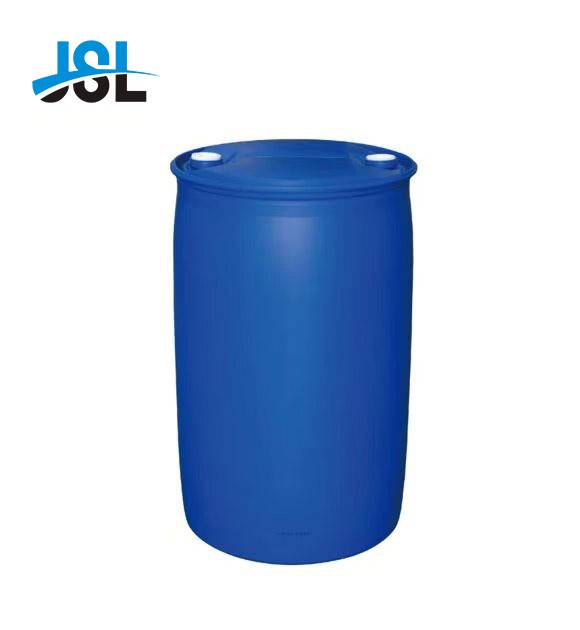
Based on the above analysis, it is important to take appropriate measures to protect decyl glucoside from excessive UV exposure. When storing decyl glucoside, it is recommended to keep it in a cool, dark place. Using opaque containers can effectively block UV light and prevent potential degradation.
For end - users, such as formulators of personal care products or household cleaners, they should also consider the packaging of their final products. Transparent or semi - transparent packaging materials may allow UV light to penetrate, so using UV - blocking additives or choosing opaque packaging can help maintain the stability and quality of the products containing decyl glucoside.
Quality Control in Our Supply Chain
As a supplier, we are committed to providing high - quality decyl glucoside products. We implement strict quality control measures throughout the production and storage processes. Our production facilities are designed to minimize UV exposure. During the storage of our decyl glucoside products, we use opaque storage tanks and ensure that the storage environment is well - controlled in terms of temperature and light.
Before shipping our products, we conduct comprehensive quality tests, including tests for physical and chemical properties, to ensure that our decyl glucoside meets the highest standards. If you have any concerns about the impact of UV light on our products, we are more than happy to provide you with detailed information and test reports.
Conclusion and Call to Action
In conclusion, while decyl glucoside may have some resistance to UV light, prolonged and high - intensity UV exposure can potentially affect its performance. As a responsible supplier, we take all necessary precautions to ensure the quality and stability of our decyl glucoside products.
If you are in the market for high - quality decyl glucoside for your personal care or household cleaning formulations, we invite you to contact us for more information. Our team of experts is ready to assist you in choosing the right product for your specific needs and can provide you with detailed technical support. Whether you are a small - scale formulator or a large - scale manufacturer, we are committed to meeting your requirements and helping you create products of the highest quality.
References
- Smith, J. (2018). Surfactant Chemistry: Principles and Applications. Academic Press.
- Brown, A. (2020). Photochemistry of Organic Compounds. Wiley - VCH.