






Decyl glucose, also known as decyl glucoside, is a non - ionic surfactant derived from renewable raw materials such as fatty alcohols and glucose. It has gained significant attention in the biotechnology field due to its unique properties, including high biodegradability, low toxicity, and excellent surface - active capabilities. As a decyl glucose supplier, I am excited to explore the diverse applications of this remarkable compound in biotechnology.
1. Cell Lysis and Protein Extraction
In biotechnology research, the extraction of proteins from cells is a fundamental step. Decyl glucose plays a crucial role in this process. Its mild surfactant properties make it suitable for cell lysis, the process of breaking open cells to release their internal components. Unlike some harsh chemical detergents, decyl glucose can disrupt cell membranes without causing significant denaturation of proteins.

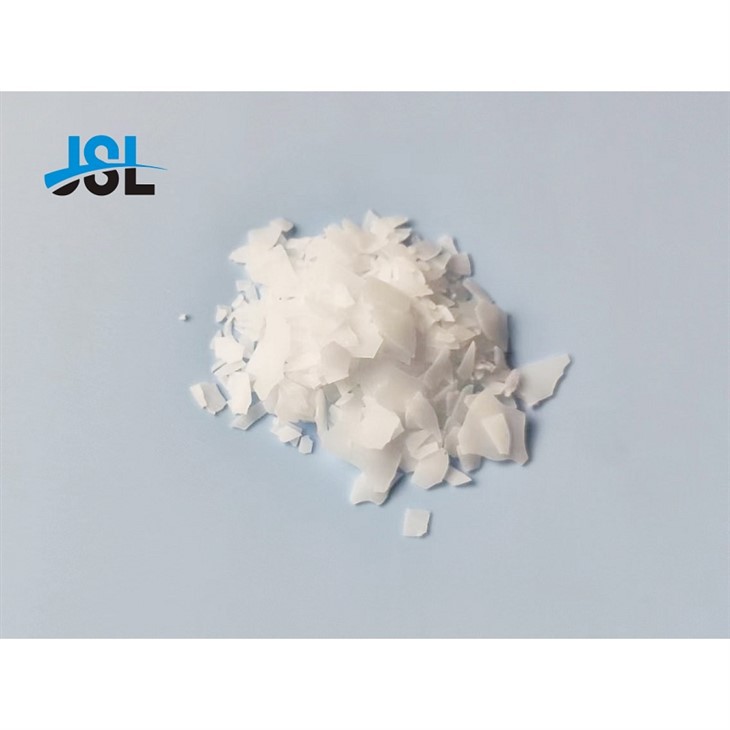
When used in cell lysis buffers, decyl glucose helps to solubilize membrane - bound proteins. It can form micelles around the hydrophobic regions of proteins, allowing them to remain in solution. This is particularly important for the extraction of integral membrane proteins, which are often difficult to isolate due to their hydrophobic nature. For example, in the study of G - protein - coupled receptors (GPCRs), decyl glucose has been used to extract these membrane - spanning proteins in their native conformation, enabling further functional and structural studies [1].
2. Chromatography
Chromatography is a widely used technique in biotechnology for the separation and purification of biomolecules. Decyl glucose can be used as a mobile - phase additive in various chromatographic methods, such as high - performance liquid chromatography (HPLC) and ion - exchange chromatography.
In HPLC, decyl glucose can act as a modifier to improve the separation of hydrophobic compounds. It can reduce the interaction between the analytes and the stationary phase, leading to better peak shapes and resolution. For instance, when separating complex mixtures of lipids or peptides, the addition of decyl glucose to the mobile phase can enhance the separation efficiency. In ion - exchange chromatography, decyl glucose can help to prevent non - specific binding of proteins to the column matrix, improving the recovery of the target proteins [2].
3. Emulsification and Formulation of Biotechnological Products
Biotechnological products often require the use of emulsions, which are mixtures of two immiscible liquids, such as oil and water. Decyl glucose is an excellent emulsifying agent. It can reduce the surface tension between the oil and water phases, allowing them to form stable emulsions.
In the production of biopharmaceuticals, such as vaccines or drug delivery systems, decyl glucose can be used to formulate oil - in - water or water - in - oil emulsions. For example, in the development of adjuvant - based vaccines, decyl glucose can be used to create stable emulsions that enhance the immune response. The emulsion can encapsulate antigens and deliver them to the immune cells more effectively, improving the efficacy of the vaccine [3].
4. Microbial Fermentation
In microbial fermentation processes, decyl glucose can have several beneficial effects. It can act as a carbon source for some microorganisms, promoting their growth. Additionally, its surfactant properties can improve the mass transfer of oxygen and nutrients in the fermentation broth.
In the production of enzymes or antibiotics by microbial fermentation, decyl glucose can enhance the productivity of the fermentation process. It can help to disperse cells and prevent their aggregation, ensuring uniform access to nutrients and oxygen. For example, in the fermentation of Bacillus subtilis for the production of proteases, the addition of decyl glucose to the fermentation medium can increase the enzyme yield [4].
5. Biosensors
Biosensors are analytical devices that combine a biological recognition element with a transducer to detect specific analytes. Decyl glucose can be used in the fabrication of biosensors to improve their performance.
It can be used to modify the surface of the transducer, such as an electrode or a quartz crystal microbalance. The surfactant properties of decyl glucose can help to immobilize the biological recognition element, such as an enzyme or an antibody, on the transducer surface. It can also prevent non - specific adsorption of other biomolecules, improving the selectivity and sensitivity of the biosensor. For example, in a glucose biosensor, decyl glucose can be used to immobilize glucose oxidase on the electrode surface, enhancing the detection of glucose in biological samples [5].
Our Product Offerings
As a supplier of decyl glucose, we offer a range of high - quality products. Our Caprylyl/Decyl Glucoside APG 8170 is a popular choice for various biotechnological applications. It has a well - balanced hydrophilic - lipophilic balance (HLB), making it suitable for both emulsification and solubilization purposes.
Another product, Caprylyl/Decyl Glucoside APG215 CS UP, is known for its high purity and low toxicity. It is ideal for use in sensitive biotechnological processes, such as cell culture and protein purification.
Our APG 0810/decyl Glucoside/CAS:68515 - 73 - 1 is a versatile product that can be used in a wide range of applications, from chromatography to microbial fermentation.
Contact Us for Procurement
If you are interested in using decyl glucose in your biotechnology research or production, we invite you to contact us for procurement. Our team of experts can provide you with detailed product information, technical support, and customized solutions to meet your specific needs. Whether you are a small research laboratory or a large - scale biotech company, we are committed to providing you with the best quality decyl glucose products at competitive prices.
References
[1] Helenius, A., & Simons, K. (1975). Solubilization of membranes by detergents. Biochimica et Biophysica Acta (BBA) - Biomembranes, 415(2), 29 - 79.
[2] Neue, U. D. (1997). HPLC Columns: Theory, Technology, and Practice. Wiley - VCH.
[3] Singh, M., & O'Hagan, D. (1999). Adjuvants in vaccine development. Nature Biotechnology, 17(11), 1075 - 1081.
[4] Demain, A. L., & Vaishnav, P. (2009). Production of industrial enzymes. In Manual of Industrial Microbiology and Biotechnology (pp. 119 - 135). ASM Press.
[5] Turner, A. P. F., Karube, I., & Wilson, G. S. (Eds.). (1987). Biosensors: Fundamentals and Applications. Oxford University Press.