



As a supplier of decyl glucoside, I've been frequently asked about its resistance to oxidation. In this blog, I'll delve into this topic from a scientific perspective, exploring the chemical properties of decyl glucoside, the factors that affect its oxidation resistance, and its practical implications in various applications.
Understanding Decyl Glucoside
Decyl glucoside is a non - ionic surfactant derived from renewable raw materials, such as fatty alcohols from coconut or palm kernel oil and glucose from corn starch. It has gained significant popularity in the personal care, household cleaning, and industrial sectors due to its excellent mildness, biodegradability, and foaming properties.
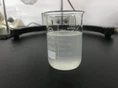
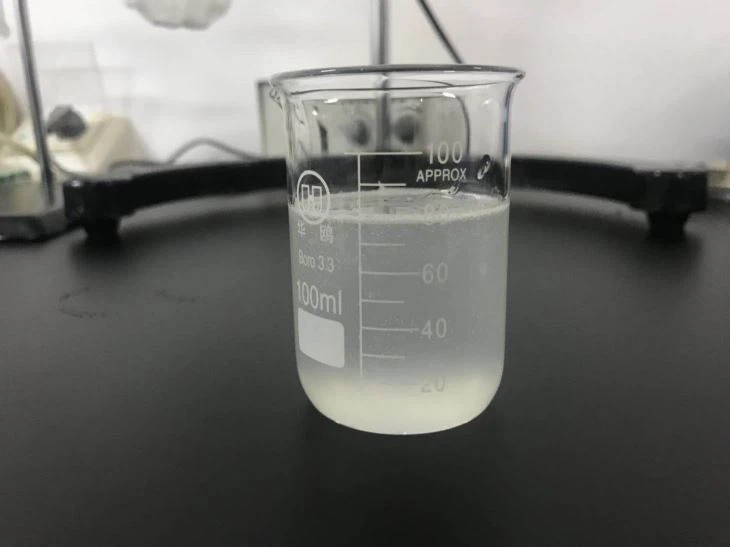
The chemical structure of decyl glucoside consists of a hydrophilic glucose head group and a hydrophobic decyl tail. This structure allows it to reduce the surface tension of water, enabling it to mix with both water and oil - based substances. It is commonly available in different formulations, such as APG 0810/decyl Glucoside/CAS:68515 - 73 - 1, Caprylyl/Decyl Glucoside APG 8170, and Caprylyl/Decyl Glucoside APG215 CS UP.
Oxidation Resistance of Decyl Glucoside
Chemical Stability
One of the key factors contributing to the oxidation resistance of decyl glucoside is its chemical stability. The glycosidic bond between the glucose and the decyl group is relatively strong and resistant to cleavage under normal conditions. Unlike some other surfactants with unsaturated bonds, decyl glucoside has a saturated alkyl chain, which makes it less prone to oxidation reactions. Oxidation typically involves the reaction of a substance with oxygen, often leading to the formation of free radicals and the degradation of the molecule. Since decyl glucoside lacks easily oxidizable unsaturated bonds, it can maintain its integrity over a longer period.
Influence of Environmental Factors
However, the oxidation resistance of decyl glucoside can be affected by environmental factors. Temperature is an important factor. High temperatures can accelerate oxidation reactions by increasing the kinetic energy of the molecules, making them more likely to react with oxygen. For example, if decyl glucoside is stored at elevated temperatures for an extended period, the rate of oxidation may increase, leading to changes in its physical and chemical properties, such as color, odor, and foaming ability.

Another environmental factor is the presence of metal ions. Metal ions, such as iron and copper, can act as catalysts for oxidation reactions. They can promote the formation of free radicals, which can then react with decyl glucoside molecules. Therefore, it is important to store decyl glucoside in containers that are free from metal contaminants to maintain its oxidation resistance.
Comparison with Other Surfactants
When compared to some traditional surfactants, decyl glucoside generally exhibits better oxidation resistance. For instance, anionic surfactants like sodium lauryl sulfate (SLS) are more susceptible to oxidation, especially in the presence of oxidizing agents. SLS has a sulfate group that can be easily oxidized, leading to the formation of degradation products. In contrast, the chemical structure of decyl glucoside provides it with a natural advantage in terms of oxidation stability.
Practical Implications in Applications
Personal Care Products
In personal care products, such as shampoos, body washes, and facial cleansers, the oxidation resistance of decyl glucoside is crucial. Oxidation can lead to the formation of unpleasant odors and the degradation of the product's performance. Since personal care products are often exposed to air during use and storage, a surfactant with good oxidation resistance like decyl glucoside can ensure the long - term stability and quality of the product. Consumers expect these products to maintain their original properties, such as a pleasant smell and effective cleansing ability, over time.
Household Cleaning Products
For household cleaning products, such as dishwashing liquids and laundry detergents, oxidation resistance is also important. These products may be stored for long periods in various environments, and oxidation can reduce their effectiveness. Decyl glucoside's ability to resist oxidation helps to maintain the cleaning power of these products, ensuring that they can effectively remove dirt and grease even after extended storage.
Industrial Applications
In industrial applications, such as emulsion polymerization and textile processing, the oxidation resistance of decyl glucoside can contribute to the stability of the processes. In emulsion polymerization, for example, the surfactant needs to maintain its properties throughout the reaction to ensure the formation of a stable emulsion. Oxidation of the surfactant could lead to the breakdown of the emulsion, affecting the quality of the final product.
Maintaining Oxidation Resistance
To maintain the oxidation resistance of decyl glucoside, proper storage and handling are essential. It should be stored in a cool, dry place away from direct sunlight and heat sources. Containers should be made of materials that are non - reactive and free from metal contaminants. Additionally, antioxidants can be added to decyl glucoside formulations to further enhance its oxidation resistance. Antioxidants work by scavenging free radicals, preventing them from reacting with the surfactant molecules.
Conclusion
In conclusion, decyl glucoside generally exhibits good oxidation resistance due to its chemical structure and stability. However, its oxidation resistance can be influenced by environmental factors such as temperature and the presence of metal ions. In various applications, including personal care, household cleaning, and industrial sectors, the oxidation resistance of decyl glucoside is an important property that helps to ensure the long - term stability and performance of products.
If you are interested in purchasing high - quality decyl glucoside products, we are here to offer you the best solutions. Our APG 0810/decyl Glucoside/CAS:68515 - 73 - 1, Caprylyl/Decyl Glucoside APG 8170, and Caprylyl/Decyl Glucoside APG215 CS UP are carefully formulated to meet your specific needs. Contact us for more information and to start a procurement negotiation.
References
- "Surfactant Science and Technology" by Drew Myers
- "Handbook of Detergents" edited by M. S. Showell