




Hey there! As a supplier of 68515 - 73 - 1, I'm really excited to chat with you about the raw materials needed to synthesize this compound. So, let's dive right in!
What is 68515 - 73 - 1 anyway? It's actually a chemical substance known as alkyl polyglucoside (APG), specifically APG 0810 or decyl glucoside. This stuff is pretty popular in a whole bunch of industries, like personal care, household cleaning, and industrial applications. One of the reasons it's so well - liked is that it's made from renewable raw materials, which makes it more eco - friendly compared to some other chemicals.
Raw Materials for Synthesizing 68515 - 73 - 1
1. Fatty Alcohols
The first key raw material for synthesizing 68515 - 73 - 1 is fatty alcohols. Fatty alcohols are long - chain organic compounds with a hydroxyl group at one end. In the case of APG 0810, we usually use a mixture of caprylic alcohol (C8) and capric alcohol (C10). These fatty alcohols are often derived from natural sources like palm kernel oil or coconut oil.
Palm kernel oil is a great source because it has a high content of medium - chain fatty acids, which can be processed into the right fatty alcohols. Coconut oil is similar in that regard. These natural sources are abundant and sustainable, and they give us the starting point for creating the alkyl part of the alkyl polyglucoside.
2. Glucose
The other major raw material is glucose. Glucose is a simple sugar that's found in many plants. It's commonly obtained from corn starch or wheat starch through a process called hydrolysis. In the synthesis of 68515 - 73 - 1, glucose is the source of the glucoside part of the molecule.
Glucose is a pretty important ingredient because it gives the APG its hydrophilic (water - loving) properties. This hydrophilic part of the molecule allows the APG to dissolve in water and makes it a great surfactant, which means it can reduce the surface tension between liquids and solids.
The Synthesis Process
Now that we know the raw materials, let's talk a bit about how they're combined to create 68515 - 73 - 1. The synthesis process usually involves a reaction between the fatty alcohols and glucose in the presence of an acid catalyst. Here's a rough breakdown of the steps:
-
Esterification: First, the fatty alcohols and glucose react to form an intermediate product. This reaction is an esterification reaction, where the hydroxyl group of the glucose reacts with the hydroxyl group of the fatty alcohol, with the help of an acid catalyst. This step is crucial because it starts to form the basic structure of the APG.
-
Purification: After the reaction is complete, the mixture needs to be purified. This usually involves processes like distillation and filtration to remove any unreacted raw materials, by - products, and impurities. Purification is really important to ensure the quality and purity of the final APG product.
Our Products and Applications
As a supplier, we offer high - quality 68515 - 73 - 1 in different grades and formulations. For example, we have Caprylyl/Decyl Glucoside APG 8170, which is a popular choice for many applications. It has excellent foaming properties and is very mild, making it great for use in personal care products like shampoos, body washes, and facial cleansers.

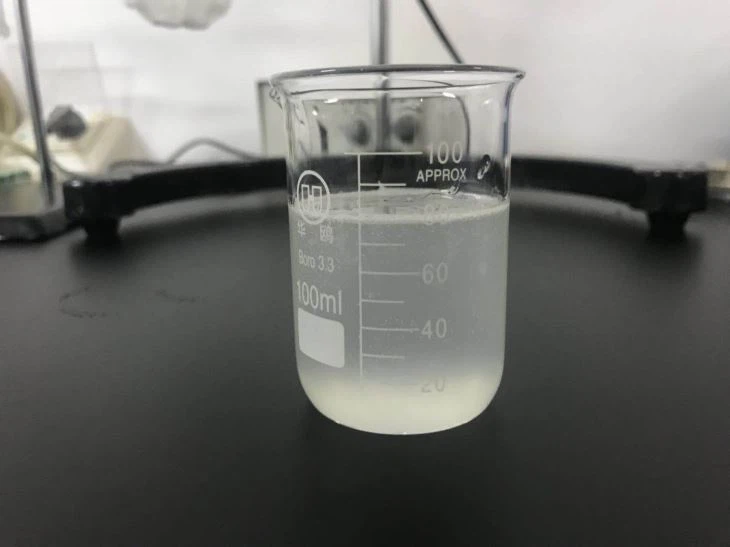
Another product we have is Caprylyl/Decyl Glucoside APG215 CS UP. This grade is more suitable for industrial applications, such as in the formulation of industrial cleaning agents. It has good solubility and stability under different conditions, which makes it very effective in removing dirt and grease.
If you're interested in our standard APG 0810 or decyl glucoside, you can check out APG 0810/decyl Glucoside/CAS:68515 - 73 - 1. This product meets high - quality standards and is widely used in both consumer and industrial products.
Why Choose Our 68515 - 73 - 1
There are a few reasons why you should consider choosing our 68515 - 73 - 1 products. First of all, we use high - quality raw materials from reliable sources. This ensures that our products have consistent quality and performance.
Secondly, we have a state - of - the - art manufacturing process. Our facilities are equipped with the latest technology and are operated by a team of experienced professionals. This means that we can produce large quantities of APG while maintaining strict quality control.
Finally, we offer excellent customer service. Our team is always ready to answer your questions, provide technical support, and help you find the right product for your needs. Whether you're a small startup or a large corporation, we're here to assist you.
Get in Touch
If you're looking for a trustworthy supplier of 68515 - 73 - 1, look no further. We're confident that our products can meet your requirements and exceed your expectations. Whether you need a small sample to test or a large - scale production order, we're here to help.
Don't hesitate to contact us for more information or to start a procurement negotiation. We're excited to work with you and be a part of your success.
References
- "Surfactants in Consumer Products: Theory, Technology and Application" by J. Falbe
- "Handbook of Detergents" edited by M. K. Gupta