




Hey there! As a coco glycoside supplier, I've gotten tons of questions about the foaming ability of coco glycoside. It's a pretty hot topic in the industry, and for a good reason. So, I thought I'd sit down and write this blog to share everything I know about it.
First off, let's talk about what coco glycoside is. Coco glycoside is a natural, plant - derived surfactant. It's made from coconut oil and glucose, which are both super common and eco - friendly ingredients. Surfactants are substances that lower the surface tension between two liquids or between a liquid and a solid. In simpler terms, they help things mix better and can create foam.
Now, let's dive into the foaming ability of coco glycoside. One of the great things about coco glycoside is that it creates a rich, creamy foam. When you use products with coco glycoside, like shampoos, body washes, or facial cleansers, you'll notice a nice lather forming. This foam is not only visually appealing but also has practical benefits.
The foaming ability of coco glycoside comes from its molecular structure. Coco glycoside molecules have a hydrophilic (water - loving) head and a hydrophobic (water - hating) tail. When you mix it with water and start agitating it, like by rubbing your hands together, the hydrophilic heads are attracted to the water, and the hydrophobic tails stick out. This creates tiny bubbles that form the foam.
One of the factors that affect the foaming ability of coco glycoside is the concentration. Generally, the higher the concentration of coco glycoside in a solution, the more foam it will produce. However, it's not always a direct linear relationship. There's an optimal concentration beyond which adding more coco glycoside may not increase the foam significantly.
Another factor is water hardness. Hard water contains more minerals like calcium and magnesium. These minerals can react with coco glycoside and reduce its foaming ability. For example, in areas with very hard water, you might notice that the foam from your coco - glycoside - based product is not as abundant as in soft water areas. But don't worry, there are ways to overcome this. You can add certain chelating agents to the product that bind to the minerals in the hard water and prevent them from interfering with the coco glycoside.
The pH of the solution also plays a role in the foaming ability. Coco glycoside works best in a slightly acidic to neutral pH range. If the pH is too high or too low, the molecular structure of coco glycoside can change, which can affect its ability to form foam.
Now, I want to mention two of the coco glycoside products we supply. The Decyl Glucoside APG 2000UP is an amazing product. It has excellent foaming properties and is very mild on the skin. It's a great choice for formulating natural and gentle personal care products.
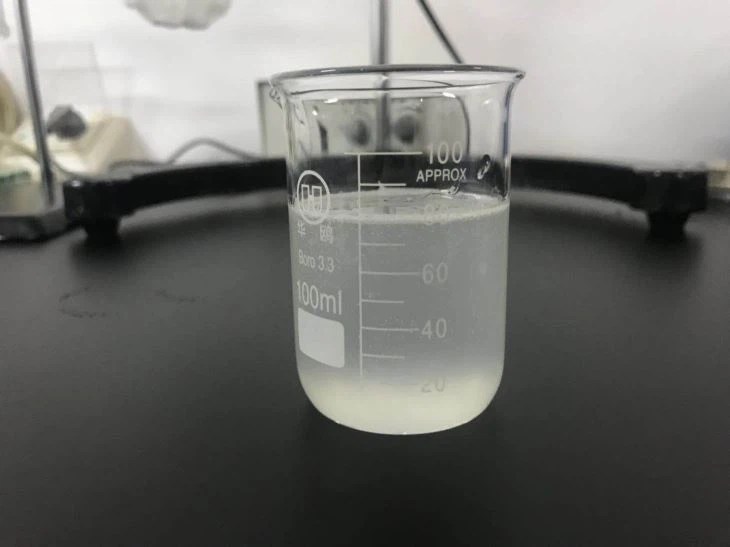
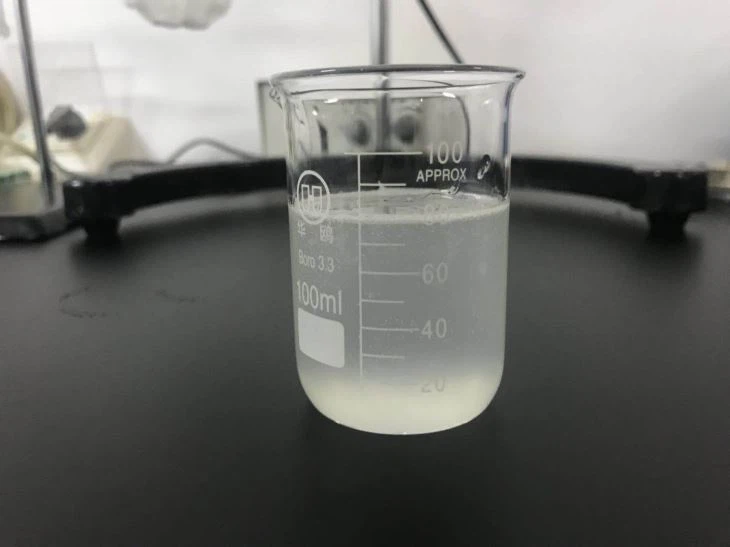
Another one is APG 0814/coco Glucoside/CAS:141464 - 42 - 8. This product combines the benefits of coco glycoside with a specific chain length distribution, which gives it a unique foaming profile. It can create a long - lasting and stable foam, making it ideal for products where you want the foam to stay around for a while.
And again, the Decyl Glucoside APG 2000UP is worth a second mention. Its high - quality and well - balanced composition ensure consistent and satisfactory foaming results.
In terms of applications, the foaming ability of coco glycoside makes it a star ingredient in many products. In the personal care industry, it's used in shampoos to give your hair a thorough clean while also creating a soft and luxurious foam. Body washes with coco glycoside leave your skin feeling clean and refreshed without the harshness of some other surfactants. Facial cleansers benefit from its gentle foaming action, which can effectively remove dirt and impurities without stripping your skin of its natural oils.
In the household cleaning sector, coco glycoside's foaming ability is also put to good use. Dishwashing liquids with coco glycoside can cut through grease and grime, and the foam helps to spread the cleaning solution evenly over the dishes. All - purpose cleaners with coco glycoside can create a foam that clings to surfaces, making it easier to wipe away dirt.
If you're in the business of formulating products, you'll find that coco glycoside's foaming ability gives you a lot of flexibility. You can adjust the formula to achieve the exact type of foam you want, whether it's a light, airy foam or a thick, dense one.
So, if you're interested in using coco glycoside in your products, whether it's for personal care or household cleaning, I'd love to talk to you. I can provide you with samples of our coco glycoside products so you can test their foaming ability and see how they work in your formulations. Whether you need a small - scale sample for a new product trial or a large - scale supply for mass production, I'm here to help. Reach out to me, and we can start a great partnership in creating high - quality, foaming products.
References
- "Surfactant Science Series" - This series covers a wide range of topics related to surfactants, including their properties and applications.
- "Cosmetic Science and Technology" - A great resource for understanding the use of ingredients like coco glycoside in personal care products.
- Industry research reports on natural surfactants, which often include data on the foaming ability of coco glycoside in different conditions.