





As a reliable supplier of APG1200UP, I am often asked about the authentication method of this remarkable product. In this blog, I will delve into the details of the authentication methods for APG1200UP, shedding light on how you can ensure you are getting the genuine and high - quality product.
Understanding APG1200UP
APG1200UP, also known as Lauryl Glucoside 1200UP, is a type of alkyl polyglucoside. It belongs to a class of non - ionic surfactants that are derived from renewable raw materials such as fatty alcohols and glucose. These surfactants are known for their excellent biodegradability, low toxicity, and good foaming properties, making them widely used in various industries, including personal care, household cleaning, and industrial applications.
Importance of Authentication
With the growing demand for APG1200UP, the market has seen an influx of counterfeit or sub - standard products. Using such products can not only lead to poor performance in end - use applications but also pose potential risks to human health and the environment. Therefore, proper authentication methods are crucial to ensure that you are purchasing a product that meets the required quality and safety standards.
Physical and Chemical Property Analysis
One of the primary authentication methods for APG1200UP is through physical and chemical property analysis. These properties are characteristic of the genuine product and can be used to distinguish it from counterfeits.
Appearance
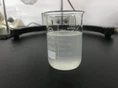
Genuine APG1200UP typically appears as a clear to slightly hazy liquid at room temperature. The color is usually pale yellow to colorless. Any significant deviation from this appearance, such as a dark color, excessive turbidity, or the presence of visible impurities, may indicate a counterfeit or a product of poor quality.
Density
The density of APG1200UP is another important parameter. The density of the authentic product is within a specific range, which can be measured using a densitometer. Deviations from the standard density value may suggest that the product has been adulterated or is of an incorrect formulation.
pH Value
The pH value of APG1200UP is also a key characteristic. It is generally in the range of 7 - 9. Measuring the pH value using a pH meter can help in determining the authenticity of the product. A pH value outside this range may indicate the presence of contaminants or an improper manufacturing process.
Active Matter Content
The active matter content is a critical factor in determining the quality of APG1200UP. The active matter refers to the actual amount of alkyl polyglucoside in the product. High - quality APG1200UP has a specific active matter content, which can be determined through chemical analysis methods such as titration. If the active matter content is lower than the specified value, it may mean that the product is diluted or of inferior quality.
Spectroscopic Analysis
Spectroscopic techniques are powerful tools for authenticating APG1200UP. These techniques can provide detailed information about the chemical structure of the product, allowing for accurate identification.
Fourier - Transform Infrared (FTIR) Spectroscopy
FTIR spectroscopy is commonly used to analyze the functional groups present in APG1200UP. Each functional group in the molecule absorbs infrared radiation at specific wavelengths, producing a characteristic infrared spectrum. By comparing the FTIR spectrum of a sample with the spectrum of a known authentic APG1200UP, it is possible to identify any differences that may indicate a counterfeit product. For example, the presence of unexpected peaks or the absence of characteristic peaks can be signs of adulteration.
Nuclear Magnetic Resonance (NMR) Spectroscopy
NMR spectroscopy can provide information about the molecular structure and the connectivity of atoms in APG1200UP. It can help in determining the purity of the product and detecting the presence of any impurities or contaminants. By analyzing the NMR spectra, chemists can identify the specific chemical environment of each atom in the molecule, which is unique to the genuine APG1200UP.
Chromatographic Analysis
Chromatographic techniques are also widely used for the authentication of APG1200UP. These techniques can separate and analyze the different components of the product, allowing for the detection of impurities and the verification of the product's identity.
High - Performance Liquid Chromatography (HPLC)
HPLC is a powerful chromatographic technique that can separate the components of APG1200UP based on their chemical properties. By analyzing the HPLC chromatogram, it is possible to determine the purity of the product and detect the presence of any unwanted substances. The retention times of the peaks in the chromatogram are characteristic of the different components in APG1200UP, and any deviations from the standard chromatogram may indicate a counterfeit or a product of poor quality.
Gas Chromatography - Mass Spectrometry (GC - MS)
GC - MS combines the separation power of gas chromatography with the identification capabilities of mass spectrometry. It can be used to analyze the volatile components of APG1200UP. By comparing the mass spectra of the sample with the spectra of known compounds, it is possible to identify the components in the product and determine its authenticity.
Manufacturer Certification
Another important aspect of authentication is the manufacturer's certification. Reputable manufacturers of APG1200UP usually provide certificates of analysis (COA) for their products. These certificates contain detailed information about the product's physical and chemical properties, such as the active matter content, density, pH value, and impurity levels. A valid COA is a strong indication that the product has been tested and meets the required quality standards.
In addition to the COA, some manufacturers may also have third - party certifications, such as ISO certifications or environmental certifications. These certifications further validate the quality and compliance of the product with international standards.
Conclusion
In conclusion, the authentication of APG1200UP involves a combination of physical and chemical property analysis, spectroscopic analysis, chromatographic analysis, and verification of manufacturer certifications. By using these methods, you can ensure that you are purchasing a genuine and high - quality APG1200UP product.

As a supplier of APG1200UP, we are committed to providing our customers with the highest quality products. Our APG1200UP products are rigorously tested using the latest analytical techniques to ensure their authenticity and compliance with international standards. We also provide detailed certificates of analysis for each batch of products, giving our customers peace of mind.
If you are interested in purchasing APG1200UP or need more information about our products, please feel free to contact us for procurement negotiation. We look forward to establishing a long - term and mutually beneficial business relationship with you. You can also learn more about our related products such as APG 1214/lauryl Glucoside/CAS:110615 - 47 - 9 and Lauryl Glucoside 1200UP on our website.
References
- Surfactant Science Series: Non - ionic Surfactants, edited by Martin J. Schick.
- Journal of Surfactants and Detergents: Various research articles on alkyl polyglucosides.
- Manufacturer's technical documentation for APG1200UP.