




As a supplier of APG 1214, I am frequently asked about its chemical reactivity. APG 1214, also known as alkyl polyglucoside with a carbon chain length of C12 - C14, is a non - ionic surfactant that has gained significant popularity in various industries due to its excellent performance and environmental friendliness.
1. Chemical Structure and Basic Properties
APG 1214 is derived from renewable raw materials, typically glucose and fatty alcohols with carbon chain lengths of 12 to 14. The general structure of APG consists of a hydrophilic glucose head and a hydrophobic alkyl tail. The glucose unit is linked to the alkyl chain through a glycosidic bond. This unique structure endows APG 1214 with a series of special physical and chemical properties.
It is a colorless to pale - yellow liquid or paste at room temperature, depending on its purity and water content. It has good solubility in water, forming clear and stable solutions even at relatively high concentrations. APG 1214 is also characterized by its low toxicity, biodegradability, and excellent compatibility with other surfactants, making it a preferred choice in many applications.
2. Reactivity under Different Conditions
2.1 Reactivity in Acidic Medium
In an acidic environment, the glycosidic bond in APG 1214 can be hydrolyzed to some extent. The hydrolysis reaction is an equilibrium process, and the rate of hydrolysis depends on the acid concentration, temperature, and reaction time. At low acid concentrations and moderate temperatures, the hydrolysis is relatively slow. However, as the acid concentration increases and the temperature rises, the hydrolysis rate accelerates.
The hydrolysis products mainly include glucose and fatty alcohols. For example, in the presence of a strong acid such as hydrochloric acid, the glycosidic bond breaks, and the glucose unit is released, while the alkyl chain remains as a fatty alcohol. This hydrolysis reaction can be a drawback in some applications where the stability of APG 1214 is crucial. However, in other cases, it can also be utilized to recycle the raw materials or modify the properties of the surfactant.
2.2 Reactivity in Alkaline Medium
In alkaline solutions, APG 1214 is relatively stable compared to its behavior in acidic media. The alkaline environment generally does not cause significant chemical changes to the glycosidic bond. However, under extremely high - pH conditions and at elevated temperatures, there may be some side reactions. For instance, the fatty alcohol part of APG 1214 may undergo oxidation or other reactions with strong oxidizing agents that could be present in the alkaline solution.
In general, APG 1214 can maintain its structure and performance in a wide range of alkaline pH values, which makes it suitable for use in alkaline cleaning products such as laundry detergents and industrial cleaners.
2.3 Reactivity with Oxidizing Agents
APG 1214 can react with strong oxidizing agents. Oxidizing agents such as hydrogen peroxide, hypochlorite, and permanganate can oxidize the fatty alcohol chain and the glucose unit in APG 1214. The oxidation reaction can lead to the degradation of the surfactant, changing its physical and chemical properties.
For example, when APG 1214 reacts with hydrogen peroxide, the hydroxyl groups in the glucose unit and the alkyl chain may be oxidized to carbonyl or carboxyl groups. This oxidation can reduce the surface - active properties of APG 1214, such as its emulsifying and foaming abilities. Therefore, when formulating products containing APG 1214 and oxidizing agents, careful consideration should be given to the compatibility and stability of the system.
2.4 Reactivity with Reducing Agents
Reducing agents have relatively little impact on the chemical structure of APG 1214 under normal conditions. Since the glycosidic bond and the alkyl chain in APG 1214 are not easily reduced, the reaction with common reducing agents such as sodium borohydride is usually negligible. However, in some special cases where strong reducing conditions are applied, there may be minor changes in the surfactant, but these are not significant enough to alter its overall performance in most applications.
3. Reactivity in Different Applications
3.1 In Detergent Applications
In detergent formulations, APG 1214 often co - exists with other ingredients such as builders, enzymes, and other surfactants. Its reactivity with these components is an important factor affecting the performance of the detergent.
APG 1214 is compatible with most anionic, cationic, and non - ionic surfactants. For example, when combined with anionic surfactants like sodium dodecyl sulfate (SDS), APG 1214 can enhance the foaming and detergency properties of the detergent. The non - ionic nature of APG 1214 allows it to reduce the irritation of anionic surfactants, making the detergent milder to the skin.
In the presence of enzymes, APG 1214 generally does not have a negative impact on the enzyme activity. On the contrary, it can help to disperse the enzymes in the solution and improve their contact with the stains, thereby enhancing the cleaning effect.
3.2 In Personal Care Products
In personal care products such as shampoos, body washes, and facial cleansers, APG 1214's reactivity with other ingredients is also carefully considered. It is often used in combination with natural extracts, vitamins, and other active ingredients.
APG 1214 has good compatibility with these ingredients, and it can help to solubilize and stabilize them in the product. For example, in a shampoo formulation containing plant extracts, APG 1214 can prevent the precipitation of the extracts and maintain the clarity and stability of the shampoo. Its low reactivity with the active ingredients ensures that the efficacy of the personal care products is not compromised.
4. Impact of Reactivity on Product Quality and Performance
The chemical reactivity of APG 1214 can have a significant impact on the quality and performance of the final products. In applications where stability is crucial, such as long - term storage of detergents or personal care products, the reactivity of APG 1214 with other components needs to be minimized.
For example, if the hydrolysis of APG 1214 occurs during storage, the formation of fatty alcohols may lead to the precipitation or clouding of the product, affecting its appearance and stability. In addition, the oxidation of APG 1214 can reduce its surface - active properties, resulting in a decrease in foaming, emulsifying, and cleaning abilities.
On the other hand, in some cases, controlled reactivity can be utilized to improve the product performance. For example, a slight hydrolysis of APG 1214 in a specific formulation may release some fatty alcohols, which can enhance the moisturizing effect in personal care products.
5. Safety and Handling Considerations Based on Reactivity
Due to its reactivity under certain conditions, proper safety and handling procedures should be followed when using APG 1214. When working with APG 1214 in an acidic or alkaline environment, appropriate protective equipment such as gloves and goggles should be worn to prevent contact with the skin and eyes.
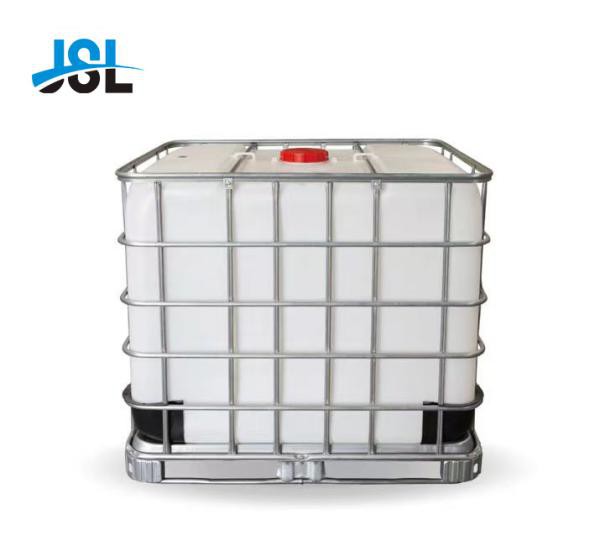
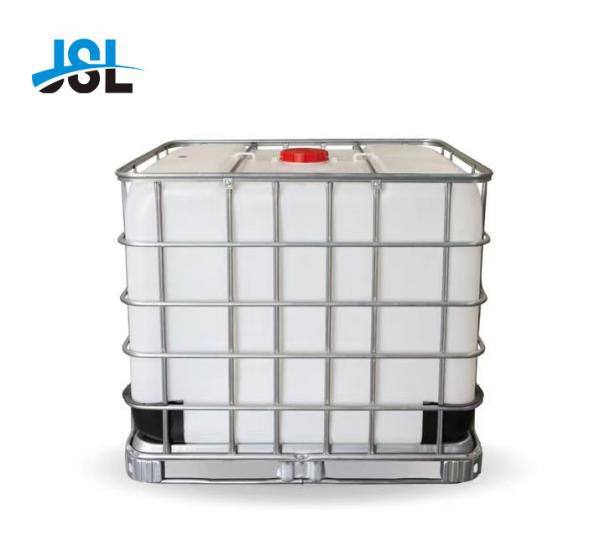
During storage, APG 1214 should be kept in a cool, dry place away from strong oxidizing and reducing agents, as well as acids and alkalis. The storage container should be made of a material that is resistant to corrosion and compatible with APG 1214, such as high - density polyethylene or stainless steel.
6. Conclusion
In conclusion, the chemical reactivity of APG 1214 is complex and depends on various factors such as the reaction medium, temperature, and the presence of other substances. Understanding its reactivity is essential for formulating high - quality products in different industries. As a [Your role in the company] of a leading APG 1214 supplier, we ensure the quality and stability of our APG 1214 products through strict quality control and production processes.
If you are interested in our Lauryl Glucoside 1200UP or APG 1214/lauryl Glucoside/CAS:110615 - 47 - 9 APG 1214/lauryl Glucoside/CAS:110615 - 47 - 9 products, or if you have any questions about their chemical reactivity and application, please feel free to contact us for further discussion and potential procurement. We are committed to providing you with the best products and services.
References
- Rosen, M. J. Surfactants and Interfacial Phenomena. John Wiley & Sons, 2004.
- Myers, D. Surfactant Science and Technology. John Wiley & Sons, 2006.
- "Alkyl Polyglucosides: Properties, Applications and Environmental Impact" - A research report from a leading surfactant research institute.