



Hey there! As a supplier of APG0814, I often get asked about its humidity tolerance. So, I thought I'd dive deep into this topic and share everything I know with you.
First off, let's understand what APG0814 is. APG0814, also known as alkyl polyglucoside, is a non - ionic surfactant. It's derived from natural raw materials like fatty alcohols and glucose, which makes it environmentally friendly and biodegradable. This stuff is used in a wide range of industries, from personal care products like shampoos and body washes to household cleaning agents.
Now, onto the main question: what's the humidity tolerance of APG0814? Well, humidity tolerance refers to how well a substance can withstand different levels of moisture in the air without losing its properties or quality. For APG0814, it has a relatively good humidity tolerance, but there are still some factors to consider.
Ideal Humidity Range
Under normal circumstances, APG0814 performs best when stored in an environment with a relative humidity (RH) between 40% and 60%. In this range, the product remains stable, and its physical and chemical properties are well - maintained. The surfactant structure of APG0814 is not easily affected by moisture within this humidity band.
When the humidity is around 40%, it's on the drier side. APG0814 can handle this level of dryness without any significant issues. It won't solidify or change its viscosity rapidly. The molecules of APG0814 are in a stable state, and the product can be easily pumped, mixed, and used in various formulations.
On the other hand, at 60% relative humidity, there's a bit more moisture in the air. But APG0814 is still quite resilient. It doesn't absorb excessive water, which could potentially lead to dilution or degradation. The surfactant keeps its emulsifying, foaming, and cleaning capabilities intact.
Effects of High Humidity
If the relative humidity goes above 60%, say up to 80% or even higher, there can be some challenges. At high humidity, APG0814 may start to absorb more moisture from the air. This can cause some changes in its physical properties. For example, the viscosity of the product might increase slightly. If you're using it in a liquid formulation, this could affect the flowability and the overall performance of the final product.
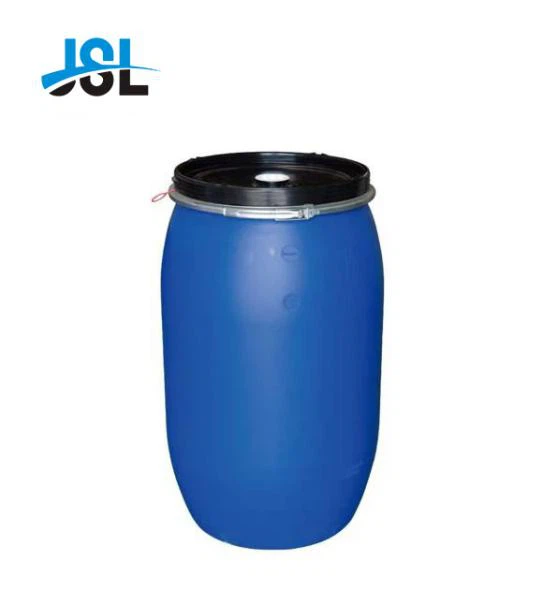
In extreme cases of very high humidity over a long period, there's a risk of microbial growth. Since APG0814 is derived from natural sources, it can provide a suitable environment for bacteria and fungi if it gets too moist. This can lead to spoilage of the product and make it unfit for use. So, when storing APG0814 in high - humidity areas, proper packaging and storage conditions are crucial. Using air - tight containers and adding preservatives if necessary can help mitigate these risks.

Effects of Low Humidity
When the relative humidity drops below 40%, APG0814 may become a bit more brittle. In powder form, it might clump together, making it harder to disperse in formulations. In liquid form, the evaporation rate of any residual water in the product may increase, which could change the concentration of the surfactant. However, these effects are usually less severe compared to the problems caused by high humidity.
Practical Tips for Storage and Handling
Based on its humidity tolerance, here are some practical tips for storing and handling APG0814. If you're in an area with high humidity, try to store the product in a climate - controlled warehouse. You can use dehumidifiers to keep the relative humidity within the ideal range. Make sure the storage containers are sealed properly to prevent moisture from getting in.
In low - humidity environments, you can add a small amount of anti - caking agents to powder APG0814 to prevent clumping. For liquid APG0814, keep the containers tightly closed to reduce evaporation.
Our Product Range
As a supplier, we offer different types of APG0814 products. You can check out our Decyl Glucoside APG 2000UP, which has excellent quality and is suitable for various applications. We also have APG 0814N/425N/coco Glucoside/CAS:141464 - 42 - 8 and APG 0814/coco Glucoside/CAS:141464 - 42 - 8, which are popular choices among our customers.
Conclusion
In conclusion, APG0814 has a decent humidity tolerance, with an ideal relative humidity range of 40% - 60%. While it can handle some deviations from this range, high humidity poses more significant risks to its quality and performance. By following the right storage and handling practices, you can ensure that APG0814 maintains its excellent properties.
If you're interested in purchasing APG0814 or have any questions about its humidity tolerance or other aspects, feel free to contact us for more information and to start a procurement discussion. We're here to help you find the best APG0814 solutions for your needs.
References
- Surfactant Science and Technology, Third Edition, by Milton J. Rosen and J. Clint Myers
- Handbook of Detergents, Part A: Properties, edited by M. Sittig