


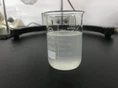

Hey there! As a supplier of APG 70, I often get asked if there are any alternative products out there. Well, you're in the right place because I'm gonna break it down for you.
First off, let's talk a bit about APG 70. APG 70, or Alkyl Polyglucoside 70, is a really popular non - ionic surfactant. It's made from natural raw materials like fatty alcohols and glucose, which makes it biodegradable and environmentally friendly. It's got a wide range of applications, from personal care products like shampoos, body washes, and facial cleansers to household cleaning products such as dishwashing liquids and laundry detergents. Its mildness makes it suitable for sensitive skin, and it also has good foaming properties, which is a big plus in these types of products.
Now, onto the alternatives. There are several products that can be considered as alternatives to APG 70, and they each have their own unique features.
One alternative is APG 0810H70BG/decyl Glucoside/CAS:68515 - 73 - 1/BG - 10. This product is also an alkyl polyglucoside. It has a similar chemical structure to APG 70, which means it shares many of the same properties. It's derived from natural sources, so it's biodegradable and gentle on the skin. In terms of performance, it has good foaming and cleaning abilities, just like APG 70. However, it might have a slightly different fatty alcohol chain length distribution, which could affect its solubility and other physical properties in certain formulations. For example, in some high - viscosity formulations, it might disperse a bit differently compared to APG 70.
Another option is Caprylyl/Decyl Glucoside APG215 CS UP. This is another type of alkyl polyglucoside. It's a blend of caprylyl and decyl glucosides. One of the advantages of this product is its excellent compatibility with other surfactants. It can be easily combined with anionic, cationic, and non - ionic surfactants to create synergistic effects. This means that when used in a formulation, it can enhance the overall performance of the product. For instance, when combined with an anionic surfactant in a shampoo, it can reduce the irritation potential of the anionic surfactant while still maintaining good cleaning and foaming properties. Compared to APG 70, it might have a different hydrophilic - lipophilic balance (HLB), which can influence how it interacts with water and oil phases in a formulation.
APG 0810H60/220/decyl Glucoside/CAS:68515 - 73 - 1 is also a viable alternative. This product is also based on decyl glucoside, but it has a different concentration compared to APG 70. The 60% concentration might offer some advantages in terms of handling and formulation. For example, it might be easier to dissolve in water - based formulations compared to a higher - concentration product like APG 70. In some cases, the lower concentration can also reduce the cost of the raw material, which is an important factor for manufacturers. However, it also means that you might need to use a larger quantity of the product to achieve the same level of performance as APG 70 in a formulation.
When it comes to choosing between APG 70 and its alternatives, there are a few factors to consider. First of all, the application of the product is crucial. If you're formulating a product for sensitive skin, the mildness of the surfactant is of utmost importance. All of the alternatives I mentioned are relatively mild, but you might need to do some testing to see which one works best for your specific formulation.
Cost is another important factor. The price of these products can vary depending on factors such as raw material costs, production processes, and market demand. Sometimes, an alternative might be more cost - effective, especially if you're producing large quantities of a product. However, you also need to consider the quality and performance of the product. A cheaper alternative might not always offer the same level of performance as APG 70, so it's a balance between cost and quality.
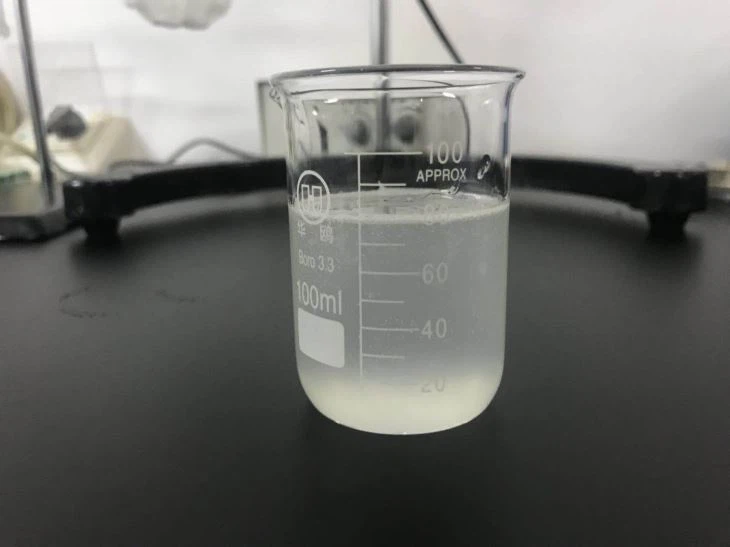
Regulatory requirements are also something to keep in mind. Different regions might have different regulations regarding the use of surfactants in products. You need to make sure that the alternative product you choose complies with all the relevant regulations in your target market.
In conclusion, there are several alternative products to APG 70, each with their own pros and cons. Whether you choose APG 70 or one of its alternatives depends on your specific needs, the application of the product, cost considerations, and regulatory requirements. As a supplier, I'm here to help you make the best choice for your business. If you're interested in learning more about these products or have any questions about formulating with them, feel free to reach out. I'd be more than happy to have a chat and discuss how we can work together to find the right solution for your product development needs. Let's start a conversation and see how we can make your products even better!
References:
- Surfactant Science and Technology, Third Edition by D. Robert Karsa
- Handbook of Detergents, Part F: Product - Related Aspects edited by M. Sittig