






Hey there! As a supplier of APG 1214, I often get asked about the melting point of this stuff. So, I thought I'd write a blog post to share what I know.
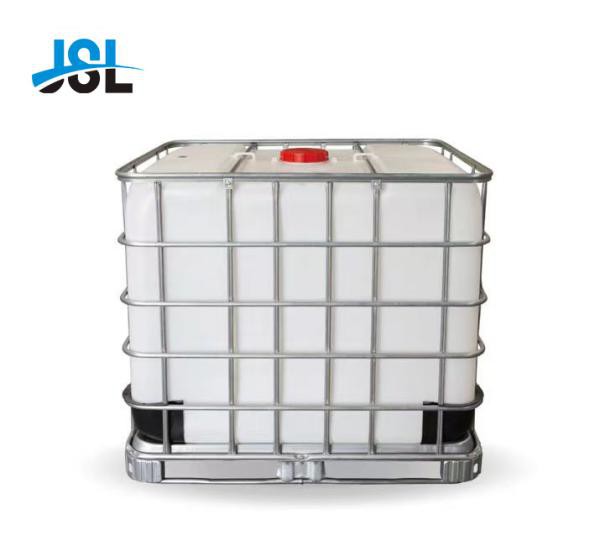

First off, let's talk a bit about APG 1214. APG 1214, also known as APG 1214/lauryl Glucoside/CAS:110615-47-9, is a type of alkyl polyglucoside. It's a non - ionic surfactant that's derived from renewable raw materials like fatty alcohols and glucose. It's widely used in a bunch of industries, such as personal care products, household cleaning products, and even in some industrial applications.
Now, onto the main question: what's the melting point of APG 1214? Well, the melting point of APG 1214 can vary depending on a few factors. Generally, it has a melting point in the range of around 10 - 20 °C. But this can change based on the purity of the product, the specific manufacturing process, and the presence of any impurities or additives.
Purity plays a huge role here. If you've got a high - purity APG 1214, it's more likely to have a melting point closer to the ideal range. On the other hand, if there are some impurities in it, those can act as disruptors and lower or raise the melting point. For example, if there are some small amounts of other chemicals that have different melting characteristics, they can affect the overall melting behavior of APG 1214.
The manufacturing process also matters. Different ways of making APG 1214 can lead to slightly different molecular structures. Some manufacturing methods might result in a more uniform product with a well - defined melting point, while others might create a more heterogeneous mixture, which can cause the melting point to be a bit more spread out.
Why is the melting point of APG 1214 important? Well, in the personal care industry, for instance, if you're making a lotion or a cream, you need to know the melting point of APG 1214. If the product is going to be stored in a warm environment, and the melting point of APG 1214 is too low, it could start to melt and change the consistency of the product. On the other hand, if it's too high, it might not blend well with other ingredients during the manufacturing process.
In household cleaning products, the melting point can affect how the product behaves in different temperatures. If it's a cold - weather area, a higher melting point might mean that the product could solidify in the bottle, making it hard to use.
One of the popular products in our APG 1214 line is Lauryl Glucoside 1200UP. It's a high - quality version of APG 1214 with a relatively consistent melting point within the expected range. We've put a lot of effort into the manufacturing process to ensure its purity and quality. And if you're interested in the production side, you can check out Lauryl Glucoside 1200UP factory to see how we make it.
When you're dealing with APG 1214, it's also important to handle it properly around its melting point. If you're heating it up to use it in a formulation, you need to do it gradually and under controlled conditions. Rapid heating can cause some degradation of the product and change its properties.
As a supplier, we always test the melting point of our APG 1214 products to make sure they meet the industry standards. We use advanced analytical equipment to accurately measure the melting point and ensure that our customers get a consistent product every time.
If you're in the market for APG 1214, whether it's for personal care products, cleaning products, or any other application, I'd highly recommend considering our products. We've got a great track record of providing high - quality APG 1214 with reliable melting points. And if you've got any questions about the melting point or any other aspect of APG 1214, don't hesitate to reach out for a chat. We're here to help you make the best choice for your business.
So, if you're interested in purchasing APG 1214, feel free to contact us for a detailed discussion. We can talk about your specific requirements, the quantity you need, and work out a great deal for you.
References:
- Industry reports on alkyl polyglucosides
- In - house research and testing data on APG 1214 products